The annual DOXA Documentary Film Festival is celebrating its 25th edition between April 30-May 10, 2026. Presented by The Documentary Media Society, a Vancouver-based non-profit and charitable society devoted to presenting independent and innovative documentaries to Vancouver audiences, DOXA is a curated and juried festival comprised of public screenings, panel discussions, public forums, and education programs. Each year, DOXA provides audiences with a better understanding of the complexity of our times through documentary media as an art form.
This year, DOXA’s programming includes 6 feature films from British Columbia and 8 shorts, including the opening gala film, BELLA SUTRA.
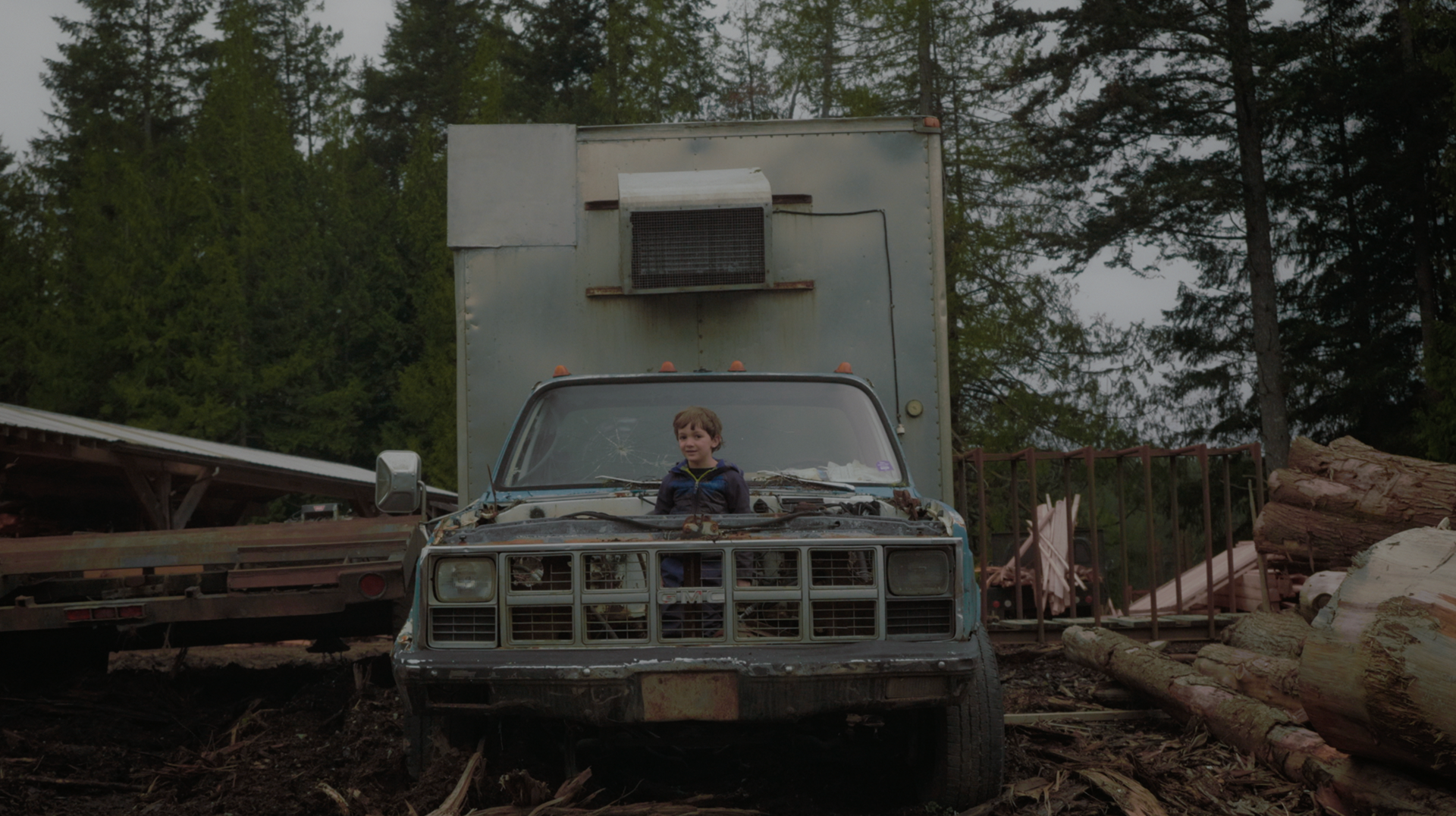
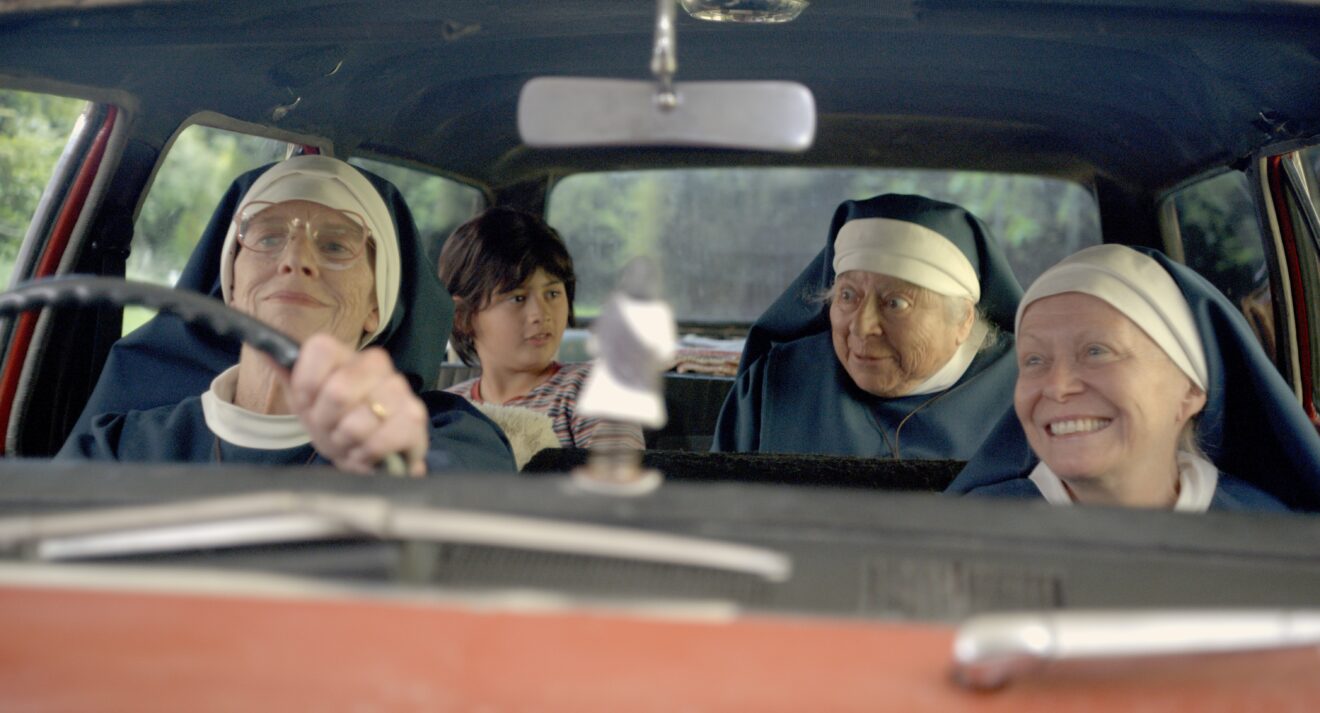
Still from GREEN VALLEY (dir. Morgan Tams)
Feature-length Documentaries
BELLA SUTRA (dir. OK Pederson)
A live cinematic performance accompanied by a live score, BELLA SUTRA explores the complex relationships between humans and the non-human world. Filmed on hand-processed 16mm in Bella Coola, the work combines humour, live narration and a musical ensemble to reflect on life in a remote mountain village. Pedersen’s essayistic approach meditates on community and the tension between rural and urban perspectives, offering a deeply personal yet resonant portrait of human connection.
GREEN VALLEY (dir. Morgan Tams)
The cycles of the seasons dominate this unflinching and intimate portrait of a small community living off of the land in the remote wilderness of Western Canada. Alternating between visceral observations of everyday life and the quiet evolution of the land and its residents, the film unfolds as the seasons rise and fall, following five community members as they negotiate the complex intersections of lifestyle, landscape and the relentless passage of time. Filmed entirely off-the-grid by a longtime resident of the farm, what emerges is a tender and bracingly honest portrait of the cycles of growth and decay among a chosen family of outsiders. At a time when audiences are questioning how 20th century “progress” has failed our environment and society, GREEN VALLEY offers a glimpse of a possible alternative, without offering any easy answers.
CONCRETE TURNS TO SAND (dir. Jessica Johnson & Ryan Ermacora)
The film traces the present realities of oyster farming on Cortes Island, which is experiencing the negative effects of human driven climate change through ocean warming and acidification. Working with a small group of oyster farmers, the film interweaves the depiction of labour with scientific research on the contemporary climate crisis, translating anthropocenic concepts into visual and auditory representations. Through temporal, geographic and ecological modes of perception, the film represents various scales of the biosphere, considering the adaptations and transformations of landscapes as well as the intertwined livelihoods within them.
IN TYEE COUNTRY (dir. Jevan Crittenden and Nate Slaco)
Every summer, anglers from around the world converge on Campbell River with a common goal: to earn a membership in a legendary fishing club by catching a Tyee, a Chinook salmon weighing at least 30 pounds, from a rowboat, on a tranquil cove known as the Tyee Pool. For many, entry into the club becomes a lifelong obsession, returning summer after summer in pursuit of their fish of a lifetime. But as climate change, and a multitude of other factors increase the pressure each year, Pacific salmon are struggling. This story of small-town adventure is underscored by sobering reminders that the window to save these important fish, and the communities that were built on their abundance, is closing.
THE LATEST NEWS FROM DESERET (dir. Christopher Pavsek)
A sequel to James Benning’s classic film “Deseret” (1995), which recounted a history of Utah from 1852 to 1992, this experimental non-fiction film consists of 49 stories from the NY Times published between 1992 and 2024, each condensed to roughly 5 sentences and each illustrated with one moving image for each sentence. The result is a history of contemporary Utah, a tour of Utah’s varied landscapes, a history of the journalistic style of the New York Times, a reinterpretation of Benning’s work, and a reflection on the prospects of avant-garde cinema.
ILLUSTRATED LEGACIES: GRAVEYARD OF THE PACIFIC (dir. Tanner Zurkoski
Focused on the shores of Vancouver Island and Northern Washington, the film explores coastal history long before European arrival, shaped by Indigenous governance, alliances, conflict, and whaling traditions. Through animation, interviews, and archival material, we trace early encounters and shipwreck stories that reveal clashes between encroaching colonial authorities and the societies already here. These conflicts become a window into gunboat diplomacy, the disruption caused by epidemic, and the pressure placed on Indigenous food systems.
NAMESAKE təm kʷaθ nan (dir. Evan Adams and Eileen Francis)
The documentary follows an ongoing conversation between the Tla’amin Nation and the city commonly known as Powell River, as the Nation calls for a name change to reckon with colonial history and imagine a shared future. This request sparks public meetings, emotional testimony, resistance and outrage, allyship, and reflection across the region. Elders share naming traditions that connect people with history, land and responsibility. Archaeological evidence reveals over 12,000 years of continuous Tla’amin presence. The outcome remains uncertain. The conversation itself becomes the story.
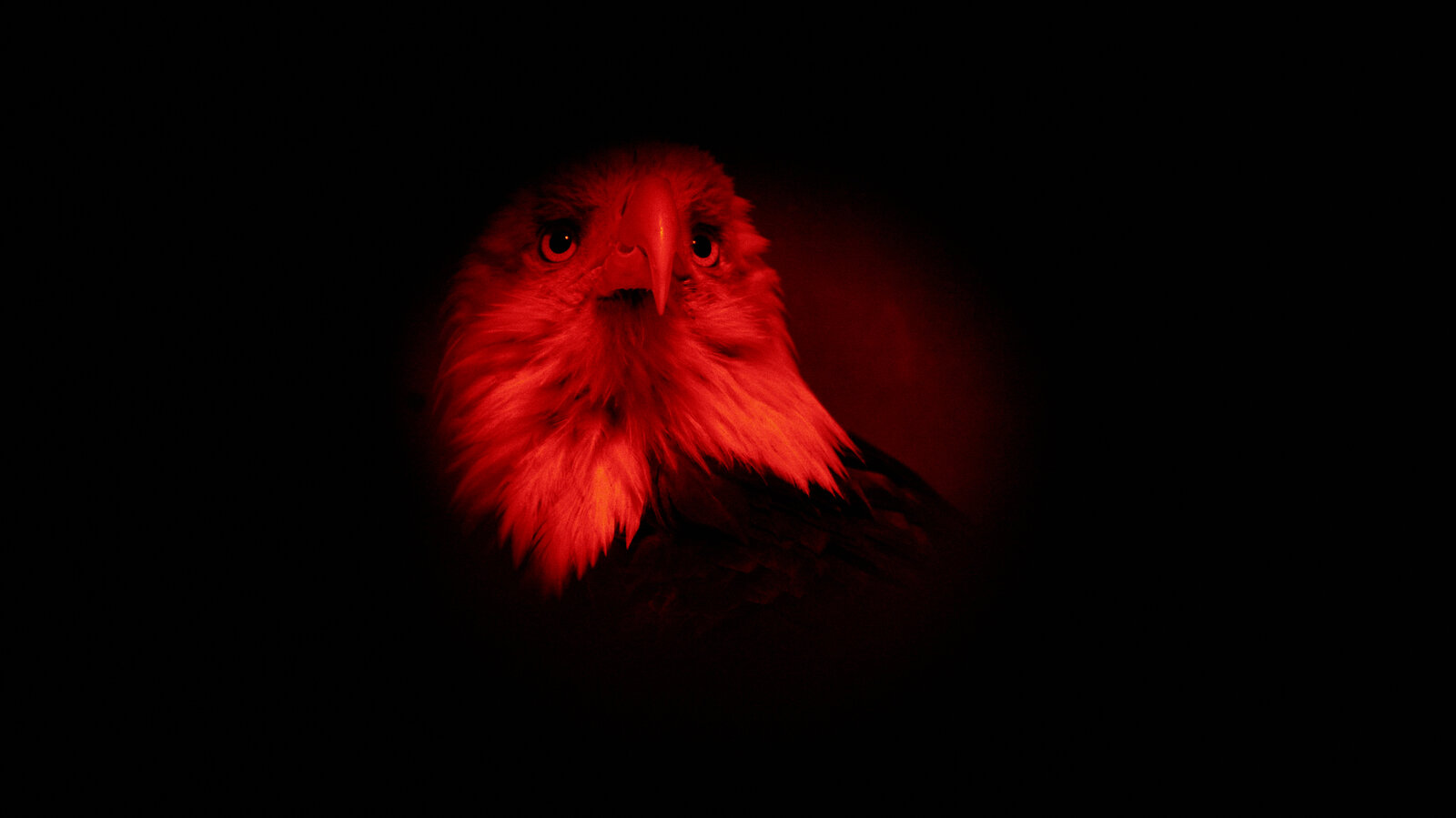
Still from BAEA (dir. Terra Long)
Short Documentaries
MIRRORPOND (dir. Christopher Pavsek)
A beautiful pond in Alaska reflects the forest on its shore. Bird song and the sound of a stream in the distance are heard. A disturbance occurs unleashing a series of transformations in how we perceive this seemingly natural place.
BAEA (dir. Terra Long)
In the dead of winter, at a wildlife rescue center on the pacific coast of so called Canada, a team of rehabbers treat Bald Eagles suffering from lead poisoning so that they can be released back to their environment. The film gently follows a difficult season and the perennial tension at the core of the rehabbers code of ethics: how to care for wild animals in a human environment while maintaining the dignity and wildness of the animal.
LIVING CONTAINERS (dir. Kara Hansen)
In a world permeated by plastics, a bioengineer becomes consumed by a plastic‑eating enzyme she helped create. Aided by machine learning, the enzyme rapidly breaks down polymers so plastic can be recomposed anew. Insects, humans, models, and machines are caught in cycles of extraction, ingestion, and excretion, driven by an unconscious pull toward a pre‑life state of matter. Moving between microscopic vision and vast infrastructures, the film presents an ecosystemic leveling of species and materials.
TOUCHING ROCKS (dir. Laurence Olivier)
Tattooed hands with painted nails gently glide over a rock face, probing it with fingertips. Delicate fingers, wrapped in bloody bandages, are stuck in cracks. Three women, their eyes raised to a high boulder, repeat a sequence of movements in the air, like a choreography, or like a strange incantation. Two others, hidden in a cave, stare anxiously at their palms. What is the object of this mysterious open-air ballet, of this pagan ritual? TOUCHING ROCKS offers an aesthetic exploration of a growing sport, outdoor bouldering, while centering women who participate in it.
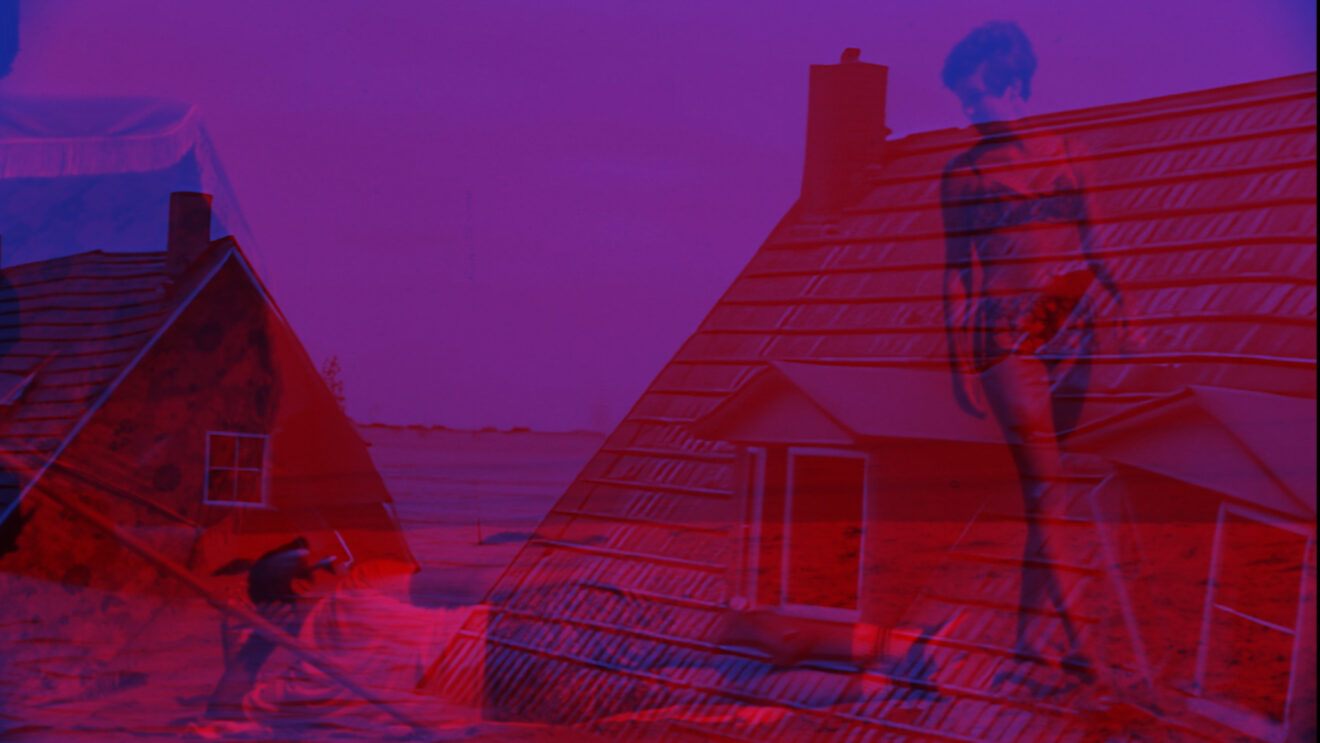
AU HASARD (dir. Darren Dominique Heroux)
Projected through overlapping red and blue image streams, the film uses colour-filtered glasses to divide the audience’s visual experience. Two people seated side by side may watch the same screen…but not the same movie. Blending archival propaganda, poetic narration and formal play, the film explores how missed information is often the root of misinformation. Evoking Godard with a touch of William Castle, AU HASARD is both a cinema of ideas and an act of cinematic misdirection.
BUBBA (dir. Kayli Koonar)
An experimental documentary narrated by the director’s grandfather, using abstract imagery to explore belonging, memory, and his immigration from India to Canada at age twelve.
THE FLOWER AND THE FLOOD (dir. Elisa González)
After an atmospheric river decimates a family’s flourishing saffron crop, the flood waters return Semá:th Xó:tsa to the valley more than a century after its forced draining. The film traces the interconnected history of this sacred lake with the rebuilding of the saffron crop, cultivating community and the most expensive spice in the world. Collaborating with the saffron crocus and other organic material through hand processing and analogue experiments, the family garden offers us a microcosm of connections, to each other and our planet.
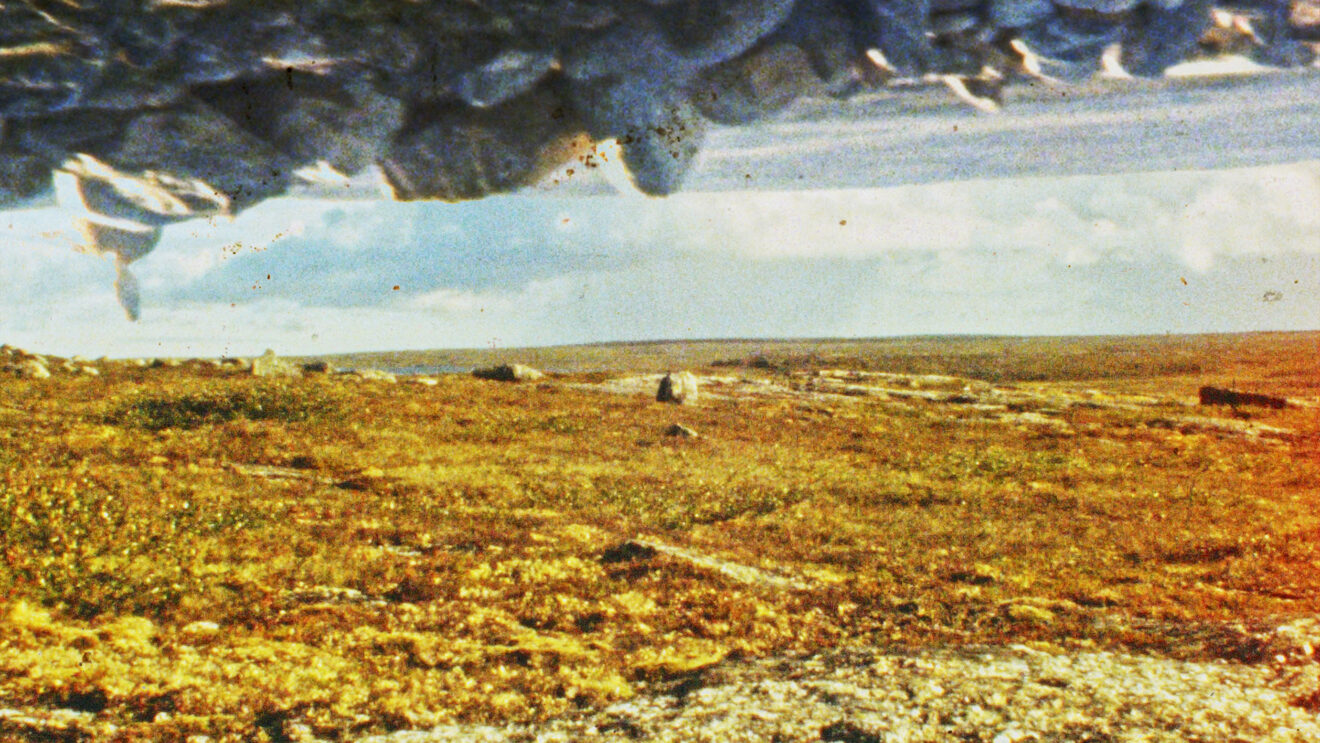
TUKTUIT: CARIBOU (dir. Lindsay McIntyre)
An experimental documentary created with handmade and manufactured emulsions exploring the close and enduring connections between Inuit, caribou, lichens, and land use. Lichen developers help bring the images to life, while caribou hide is processed into gelatin to make handmade emulsion. Filmed primarily on the land in Nunavut where caribou struggle to maintain their lifeways amidst burn events, habitat disruption and changing conditions.
Learn more about DOXA and purchase tickets on their website.