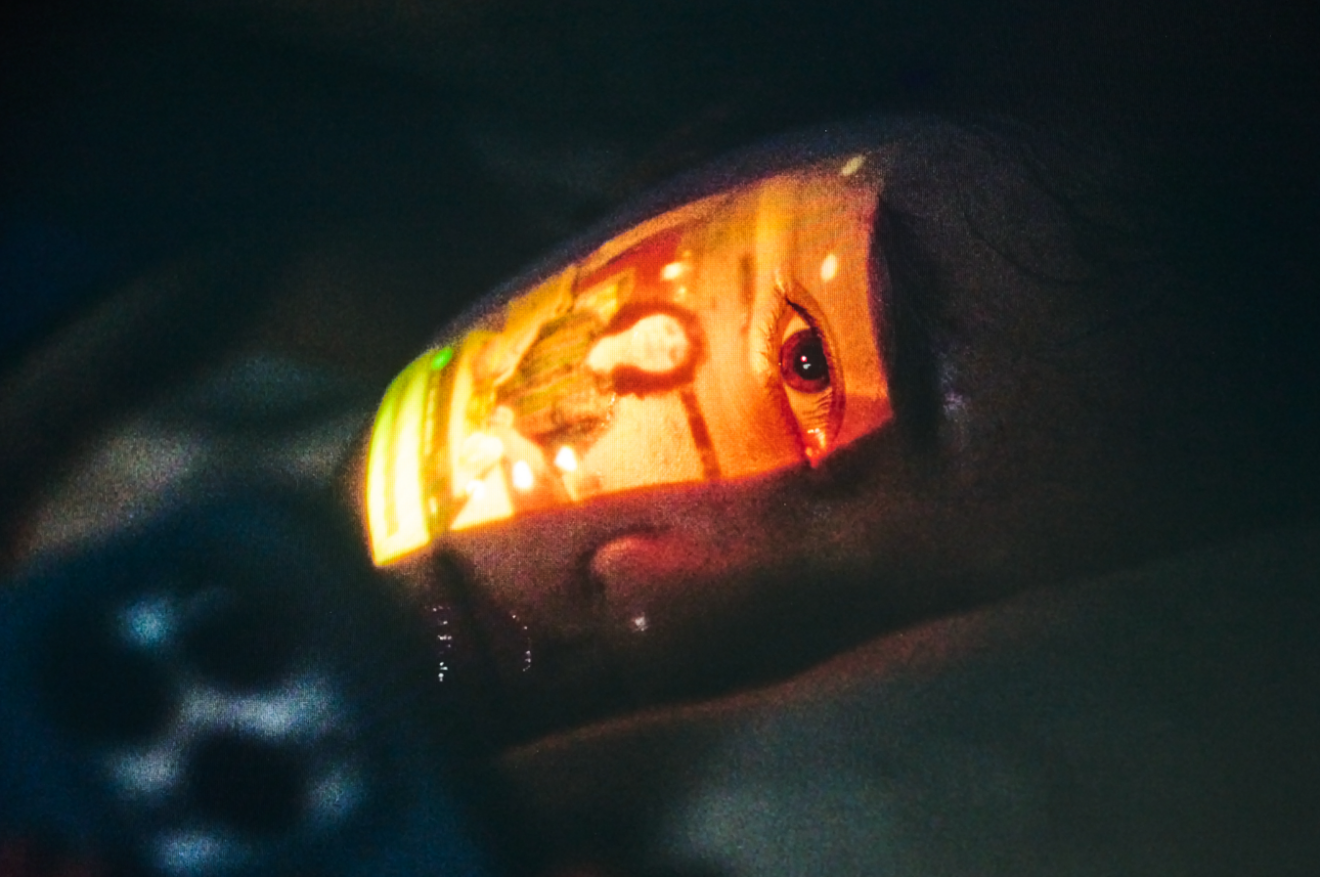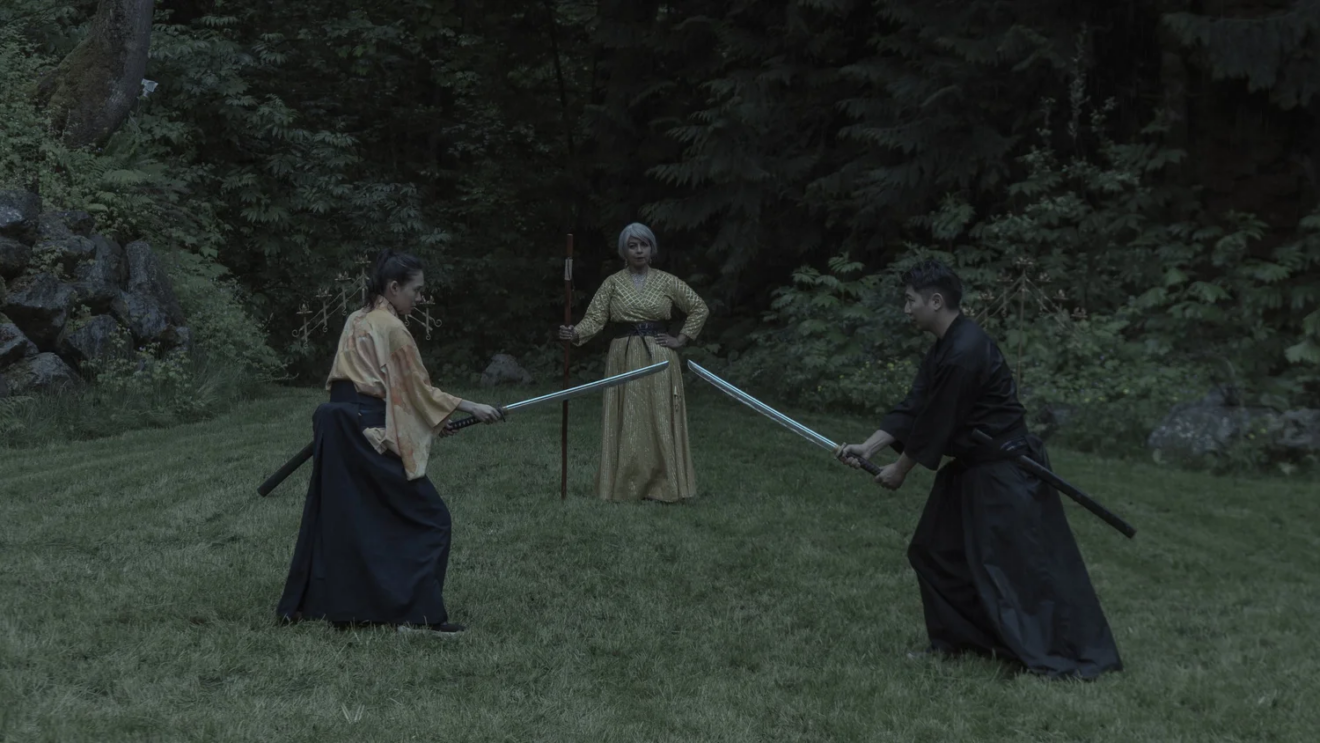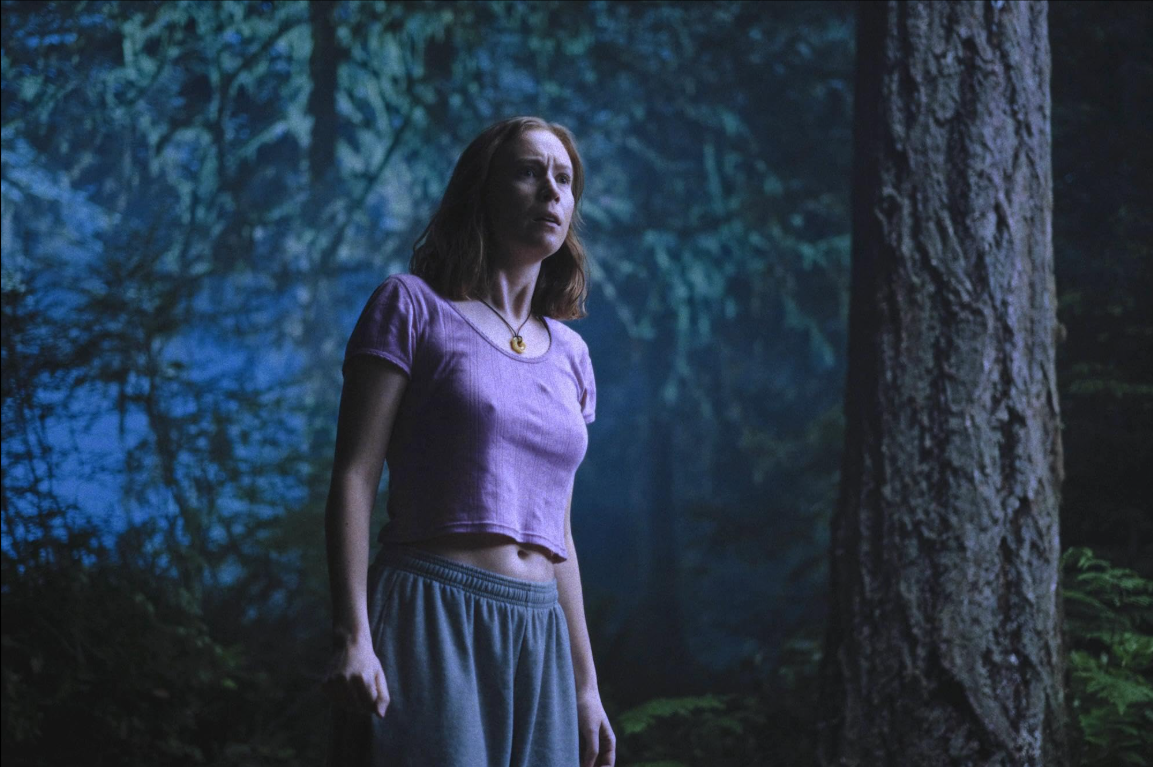
Jane Schoenbrun‘s newest film TEENAGE SEX AND DEATH AT CAMP MIASMA debuted in May 2026 as the opening film at Un Certain Regard at the Cannes Film Festival, where it won the Queer Palm to much acclaim. Poised to be a modern classic, it has garnered accolades and critics’ praise for its distinct visual identity, atmosphere, and exploration of themes, as well as the performances and high stakes relationship between its main characters, played by Hannah Einbinder and Gillian Anderson.
The film follows Kris (Einbinder), a queer filmmaker hired to direct a new installment in the fictional CAMP MIASMA franchise plagued by bad sequels and a waning audience. Determined to resurrect her favourite film and cast the original installment’s final girl (Anderson), Kris visits the reclusive actress at her home in the abandoned camp where the film was shot. She lives on junk food and obsessively rewatches a 35mm print in her small home theatre, giving audiences a chance to watch the film-within-a-film and experience it in its glorious gore. Revelatory, seductive, and scary, TEENAGE SEX AND DEATH AT CAMP MIASMA descends into delirium, a pressure cooker where classic tropes and threats are symptoms of hierarchies, power imbalances, the act of seeing and being seen.
Schoenbrun is an auteur filmmaker interested in the way people are shapes by pop culture and the interplay between technology and the human body. Informed by queerness, identity, and virtuality, the film deals with the relationship between reality and fantasy whilst acutely aware of the summer camp slasher’s history, particularly in the way it treats sexuality as both spectacle and punishment. It actively re-examines the history of the genre, complicating and challenging the very references it makes, and sets its audience for a very satisfying rewatch that keeps on giving.
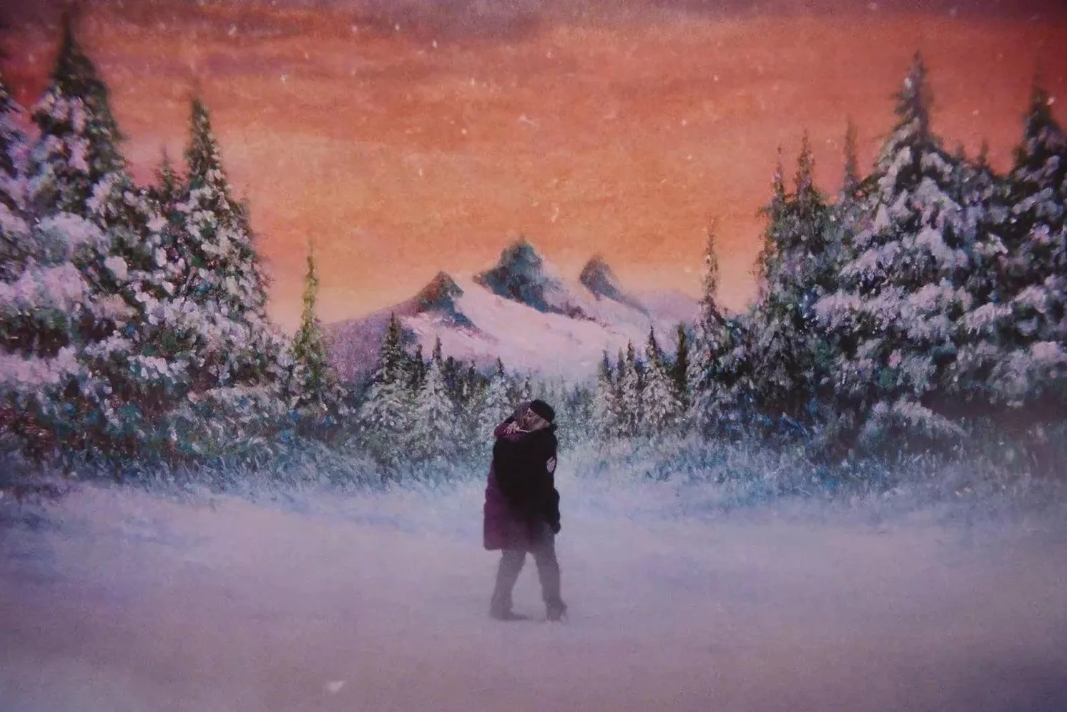
Still from the film, courtesy of Mubi.
One of the film’s biggest strengths is its setting, which lends itself not just to atmosphere, but becomes a quietly dangerous character. Schoenbrun shot the film in British Columbia with the aid of the Vancouver Island South Film Commission and did justice to the region. Gorgeous golden hour rays shroud you into darkness without warning. The glassy surface of a sprawling lake holds its mysteries close. The dense forests trick your eyes and set you down sinuous paths that might lead you nowhere. It’s a tactile environment that made B.C. a prime location for horror and genre projects with a distinct vision.
Vancouver Island has long been the backdrop of haunting films, classic and contemporary, from THE CHANGELING (1980) to LUCID (2025), nurtured by a supportive and enthusiastic local film industry that immediately connected CAMP MIASMA’s crew with the people and resources needed to bring its story to life. “Southern Vancouver Island understood the assignment: it opened the doors to distinctive Twin Peaks–style locations and connected the production with outstanding local crew and support services.”, says Tara-Lee Novak, Vancouver Island South‘s Film Commissioner.
“Productions are drawn to Southern Vancouver Island for the exceptional value the region brings to film projects. Within a relatively compact geographic area, filmmakers have access to a remarkable variety of looks — historic architecture, lush rainforests, coastal scenery, and both rural and urban settings. Beyond the locations themselves, Southern Vancouver Island is home to a strong base of experienced professional crew, supported by an extensive network of vendors and production services. The nimble, collaborative nature of the region’s film industry helps productions maximize both efficiency and on-screen value.” – Tara-Lee Novak
The film benefitted from both the stunning landscapes and a production ecosystem aligned around their shared creative vision. To better understand how that took shape on the ground, we spoke with Amanda Drake, one of CAMP MIASMA’s Line Producers, about why this project stood out and why B.C. was the right place for it.
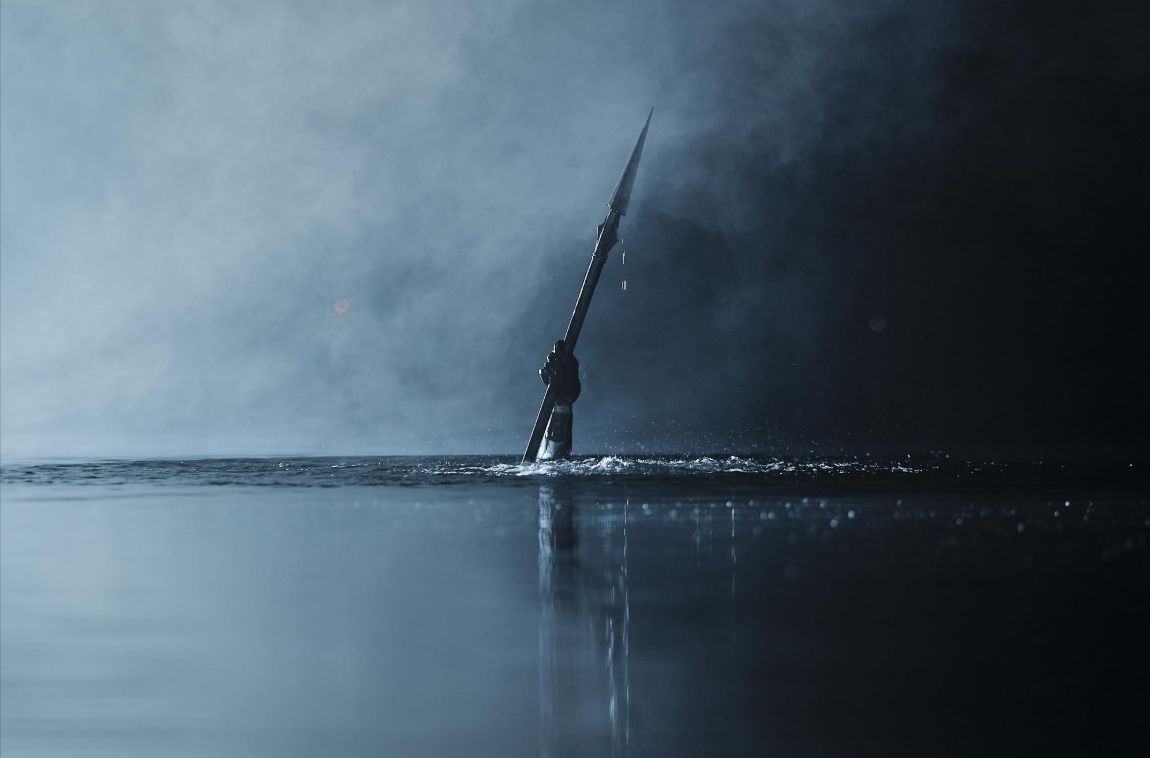
Still from the film, courtesy of Mubi.
Q&A with Amanda Drake, Line Producer
When did TEENAGE SEX AND DEATH AT CAMP MIASMA first land on your radar, and what made it feel like the right project to say yes to?
Canadian Producer Daniel Bekerman was the one who called me about the film. I was thrilled, as I’ve always been a huge fan of Jane Shoenbrun’s previous film I SAW THE TV GLOW and was dying to be involved in what they did next.
What made British Columbia the right place to shoot the film? Did the landscape help shape the tone or atmosphere, and were there any locations that immediately felt like CAMP MIASMA?
B.C. has a lot of advantages for a mid-size director-driven films like this one. There are obvious ones like the generous tax incentive, abundance of gear and large crew base, but it is also a location where you get a lot of variety while moving very little. We were able to find hauntingly perfect corner stores, deep untouched forestry and unique historic seaside hotels. This allowed us to put more money on the screen.
Vancouver Island specifically was the answer to all the creative asks. Everyone from the local neighborhoods, vendors and commissions did everything they could to make our shoot a success.
British Columbia has been home to several recent genre projects that have gained a lot of attention. Even beyond this film, what do you think B.C. does particularly well when it comes to supporting distinctive, director‑driven projects?
B.C. has curated an incredible base of creative heads of departments that are energized by cool and interesting work. They make the difference between ‘shooting a movie’ and ‘making a film’. They truly support the directors vision, while coming up with creative solutions in often challenging budgets.
Jane Schoenbrun’s films often explore queerness, identity, embodiment, and the interplay of media and reality. For audiences familiar with their previous work, what thematic threads do you think they’ll recognize here, and how are those ideas explored within a slasher framework?
While the film is not a direct sequel to I SAW THE TV GLOW, it does continue Janes exploration of how we interact with and relate to media and ultimately how it shapes our personal narratives. It’s the kind of film that leaves you thinking about it weeks later; still dissecting symbols and imagery.
Slasher films carry such strong rules and expectations. How do you think CAMP MIASMA expands what audiences might expect from a slasher film?
CAMP MIASMA simultaneously flips the genre on its head, while beautifully honoring it at the same time. This is the kind of film where everyone will take something different from it.
Was there anything about the experience of making this film that surprised you, especially about yourself as a Line Producer?
We worked with technologies that aren’t often used anymore, such as Glass Matte Painting and shooting on both 35mm and 16mm. As we’re moving into more digital solutions in our lives, there’s a lot of instant feedback and results that come with it. With analog techniques and film, you have to trust the process.
A true campfire tale, TEENAGE SEX AND DEATH AT CAMP MIASMA arrives in Canadian theatres on August 14 distributed by Mubi, just in time for the height of summer.