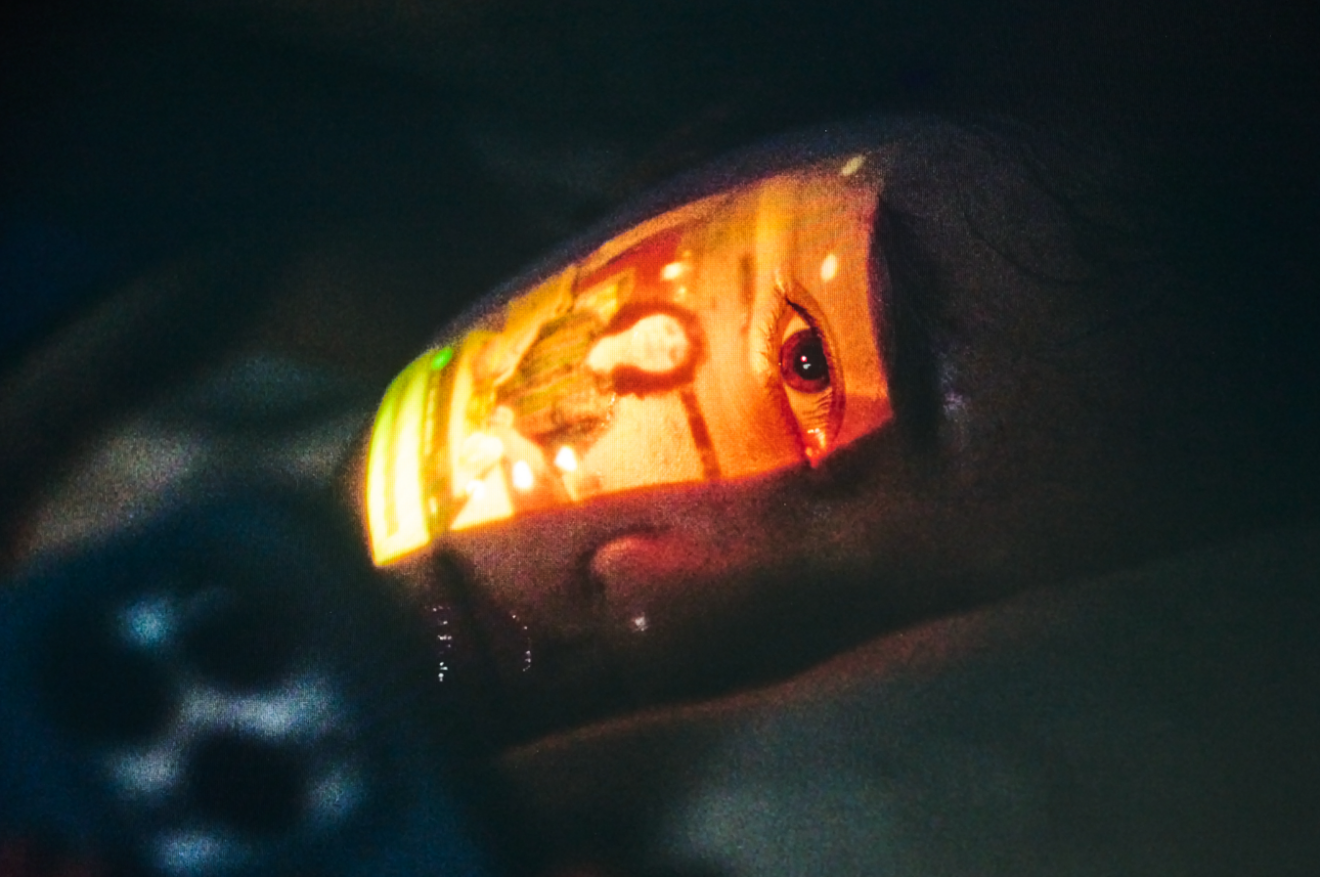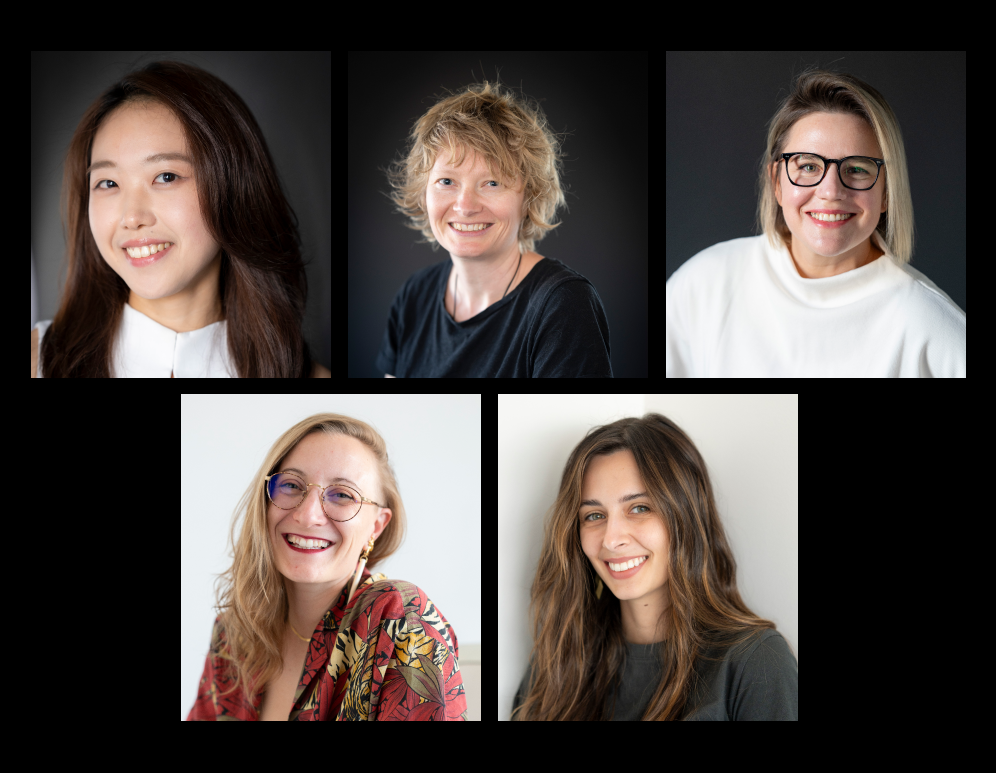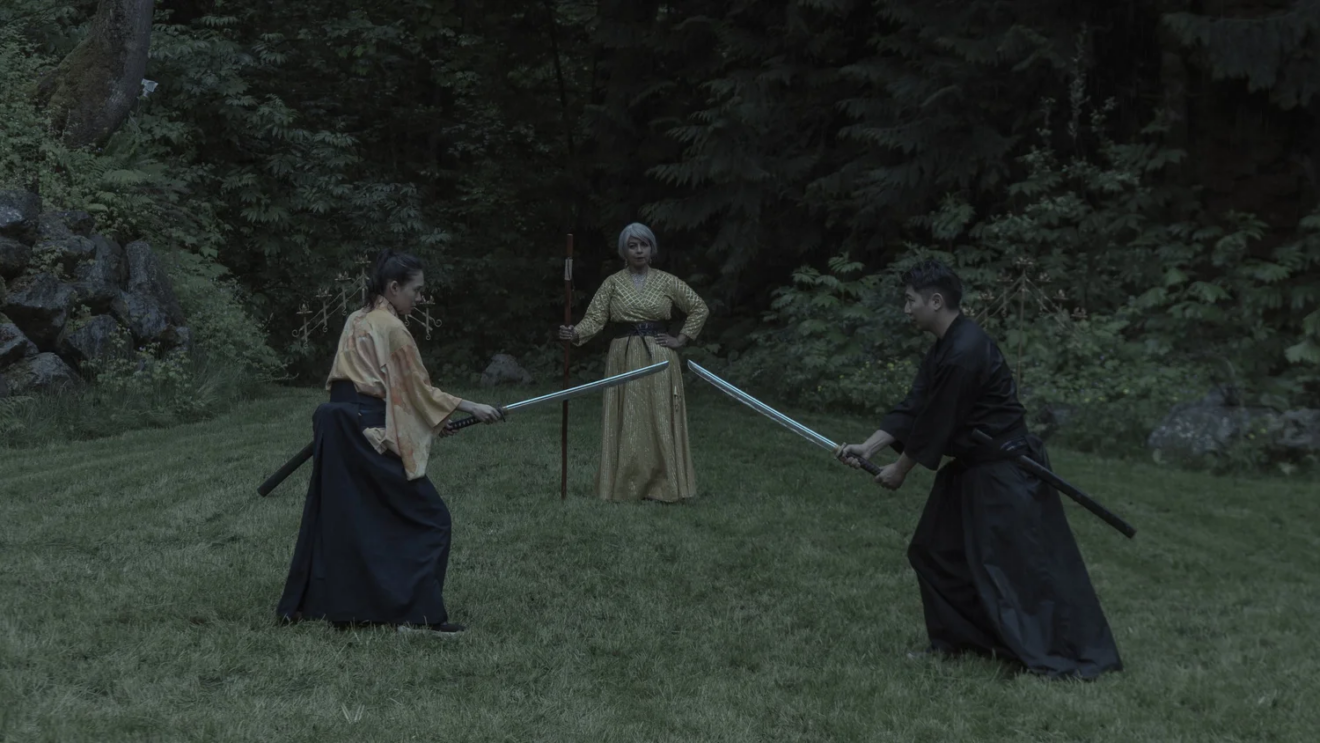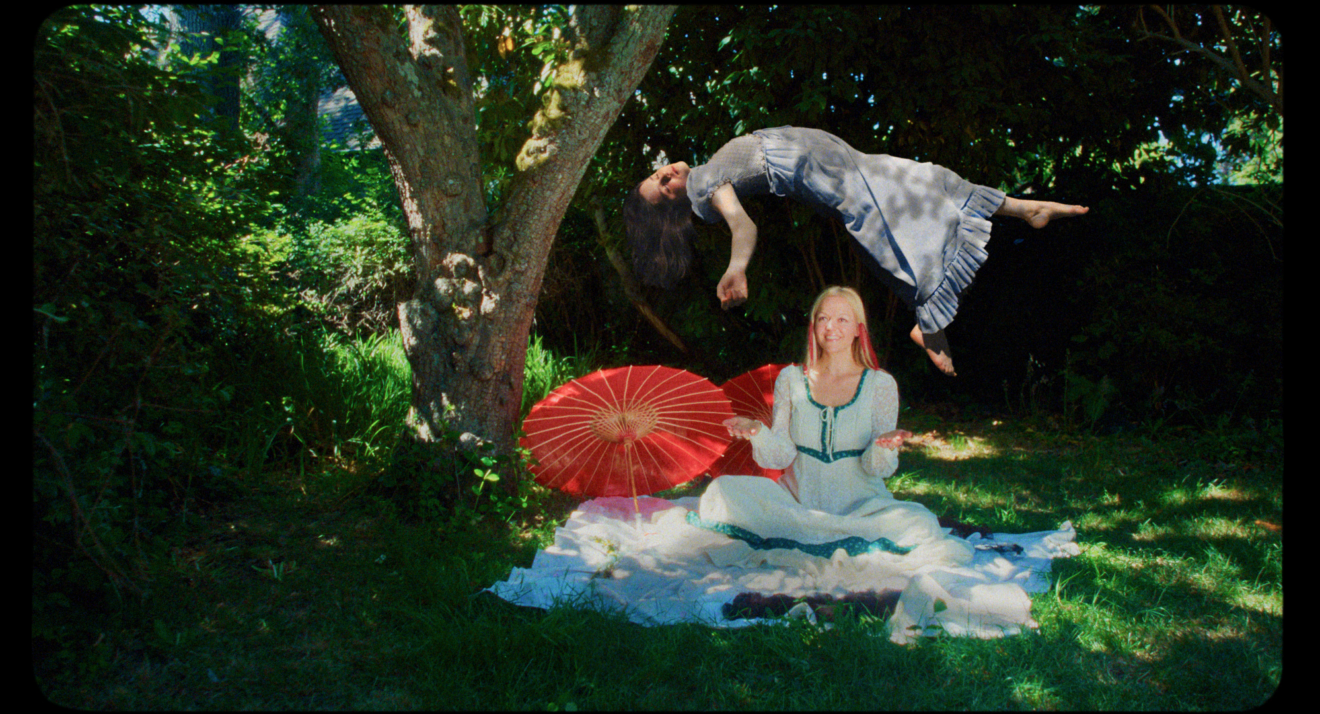
Creativity is often not the picture perfect process we imagine it will be. It’s messy, constraint by time and budget, emotionally charged, plunging into a wave of euphoria, then slamming into a wall. It feels like a real being, an erratic supernatural force that you must appease or learn to work with. It can even feel like a monster. This is precisely what co-directors Deanna Milligan and Ramsey Fendall deal with in their feature film LUCID, a 90s-set, surreal, punk-infused psychological horror.
LUCID follows Mia Sunshine Jones, an art student with a severe case of creative block, worn down by her minimum wage job, alienating classmates, and a professor who demands she create “something with heart” in one week. Desperate for inspiration, she consumes a special candy elixir that induces lucid dreaming, opening up her mind in ways she did not think possible. Memories she had no idea existed resurface, and the wall between her and her creativity suddenly lifts. But instead of clarity, the candy unleashes monsters from her subconscious, forcibly sending her down a path of inspiration, meaning, and self-discovery in the most nightmarish way possible.
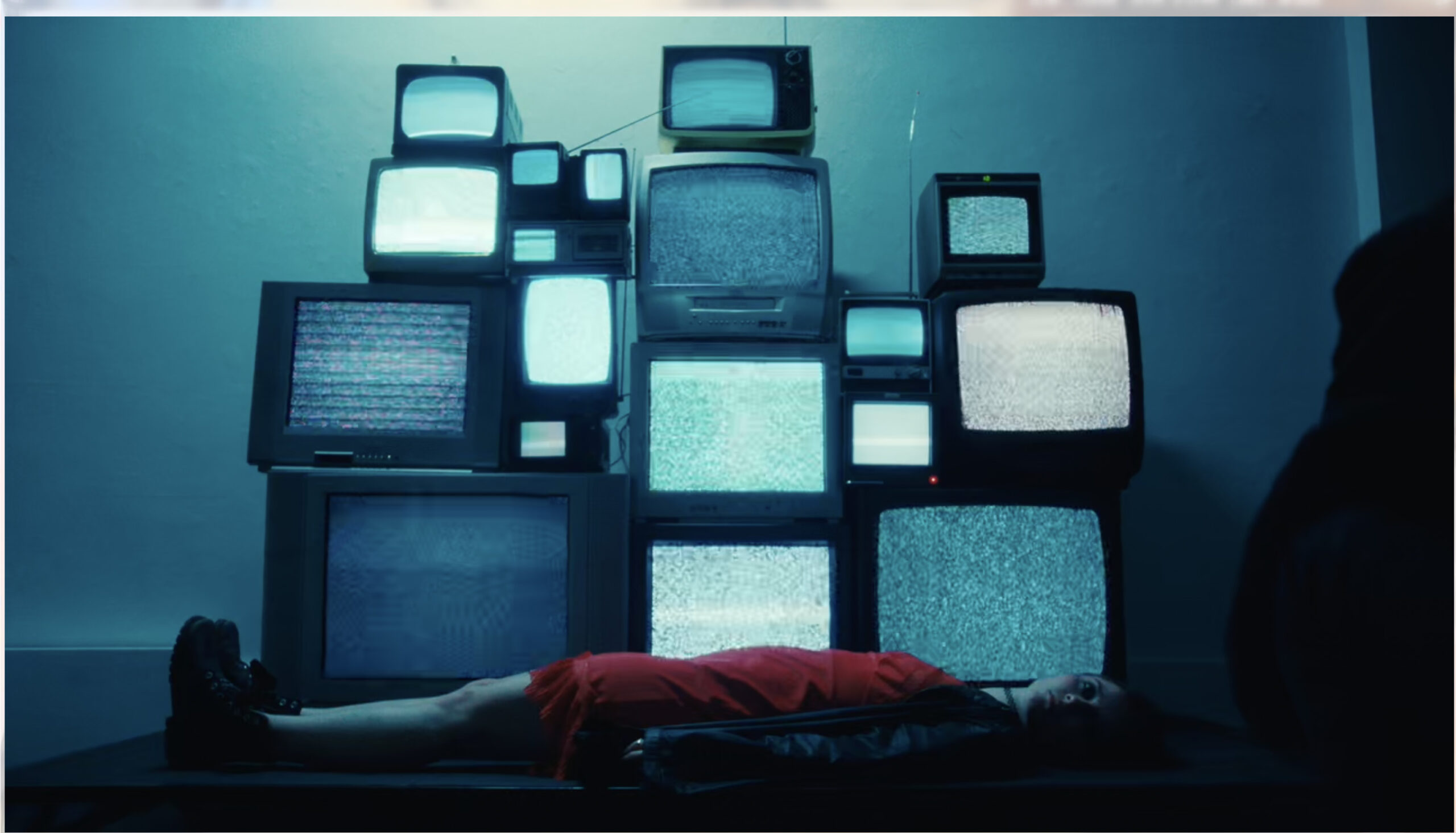
LUCID originally started as a short film of the same name, which participated in the Frontières’ 2022 Shorts to Features lab. Expanded into a feature length film, it debuted in 2025 and traveled the world from the Fantasia International Film Festival, to Sitges Film Fest, Brooklyn Horror Film Festival, Fantaspoa, and DIAMETRALE Filmfestival. The film was acquired for theatrical distribution by Filmoption International in Canada and Dark Star Pictures in the United States. LUCID is now returning home to British Columbia in May and June, 2026, with screenings in Vancouver (VIFF Centre), Kamloops (Kamloops Film Society), and its hometown Victoria (The Vic and Cinecenta).
Shot in Oak Bay, LUCID is as handmade and DYI and its subject matter. Its co-directors built the entire film set in their very home, building Mia’s apartment in their carport, editing the film in the home’s attic, and storing costumes in the basement. The film relied on ingenuity, teamwork, and (literally) hands-on work, enlisting the help of friends and local artists (among which are Tears for Fears drummer James Wollam and Canadian drag icon Vivian Vanderpuss) to build the practical effects and props seen in the film.
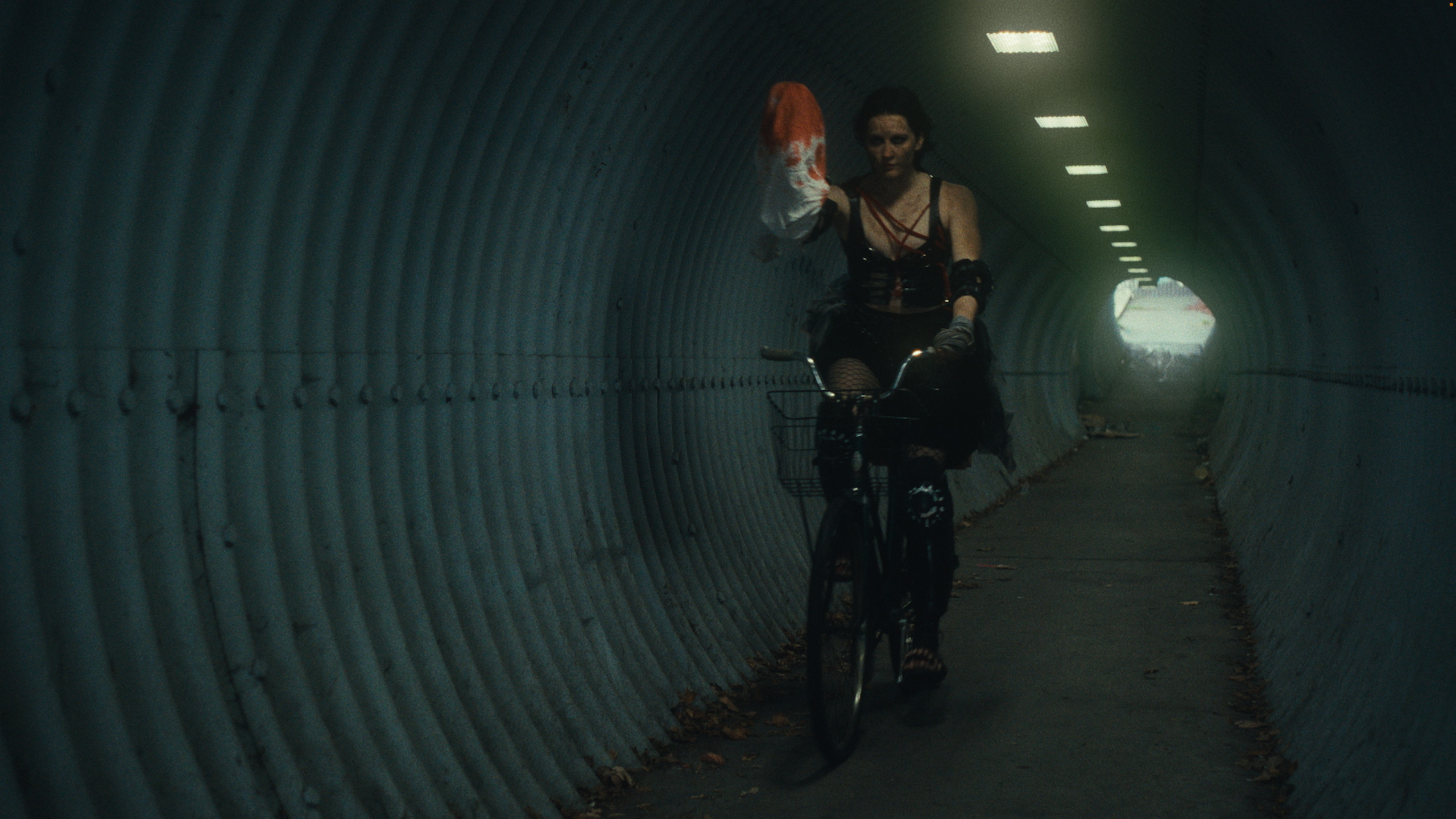
In an age defined by digitalization and picture-perfect aesthetics, LUCID is a rebellion and an antidote to airbrushing, flattening, and flawlessness. It’s textured, dimensional, and raw. Its gore is testament to its vitality. The film is grainy, collaged, bursting at the seams with real handmade monsters, a living breathing, beautiful grotesque thing. Co-created by Deanna Milligan and Ramsey Fendall, whose backgrounds in acting and cinematography respectively can be felt throughout the film, LUCID is now out to be experienced by the public and find new life in the collective imagination of the audience.
We spoke with Deanna and Ramsey to satisfy our curiosity and find out more about their creative process and the journey behind the film.
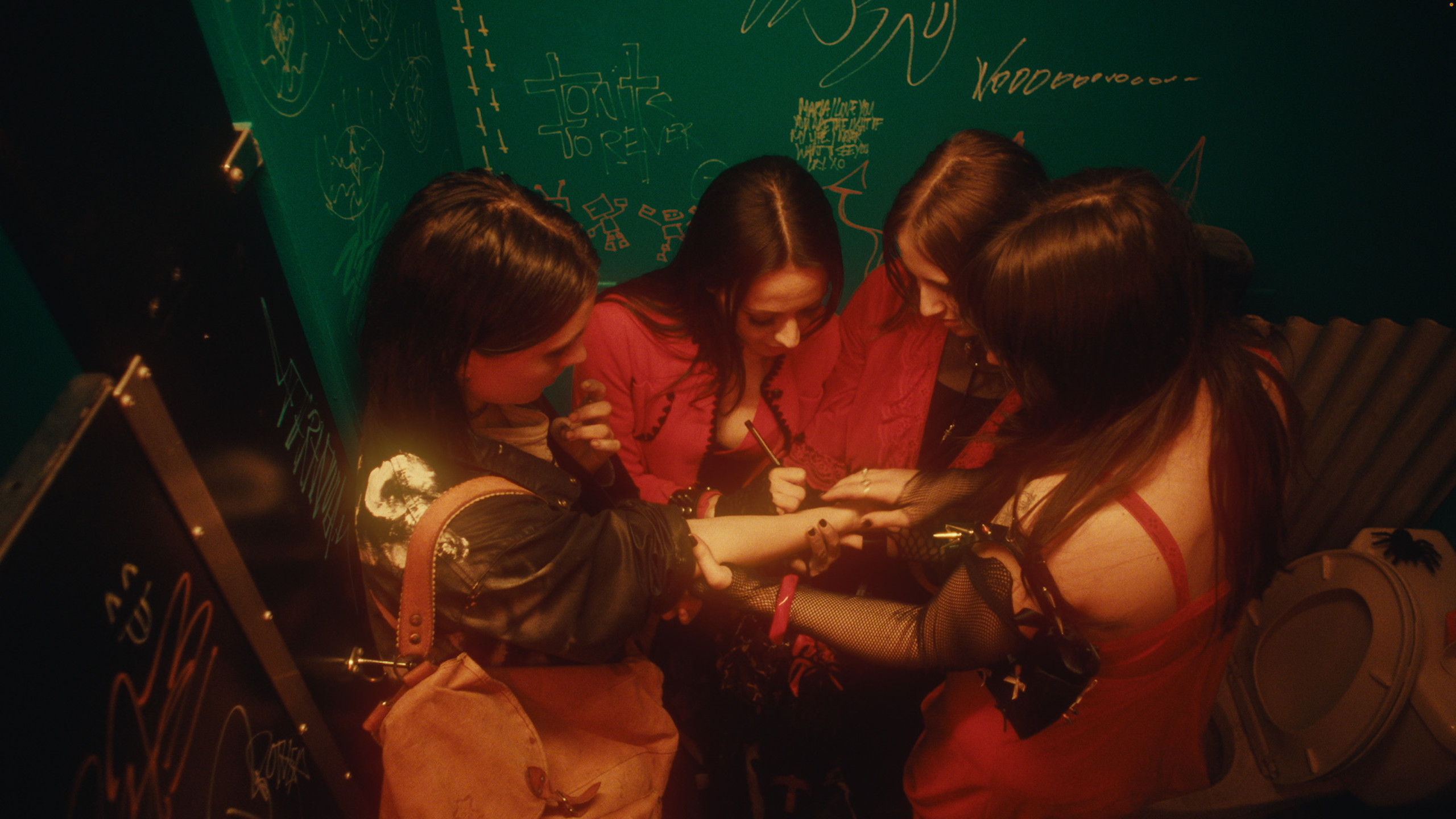
LUCID began as a 2021 short before evolving into a feature. How did your creative vision shift or expand when you committed to telling this story at feature length?
Our short was an exploration of Mia’s affection for the beautiful grotesque. In the feature, we dig into exploring Mia’s artistic blocks and her hidden childhood memories. We wanted to go inside the brain of an artist and unpack where ideas and inspiration come from and why your artistic inspiration could become blocked.
The film journeys through creativity, trauma, and self‑discovery via an art student’s nightmare world. How did you balance horror intensity with vulnerability?
In LUCID we house a lot of big ideas about identity and how pain can play a part in your work as an artist. Mia’s grandmother tells her to “Try to make something ugly for a change! Ugly and honest!” We are challenging the societal expectations of women to create pretty things. Our performers in LUCID were key in balancing the intense tone of LUCID with vulnerability. We needed them to blend humour with horror and truthful performances from the heart. The actors found personal connections in rehearsals and brought their own personalities to each role. The film was quite immersive. Cailtin Acken-Taylor built her bedroom set and created the art she makes as a character in the film.
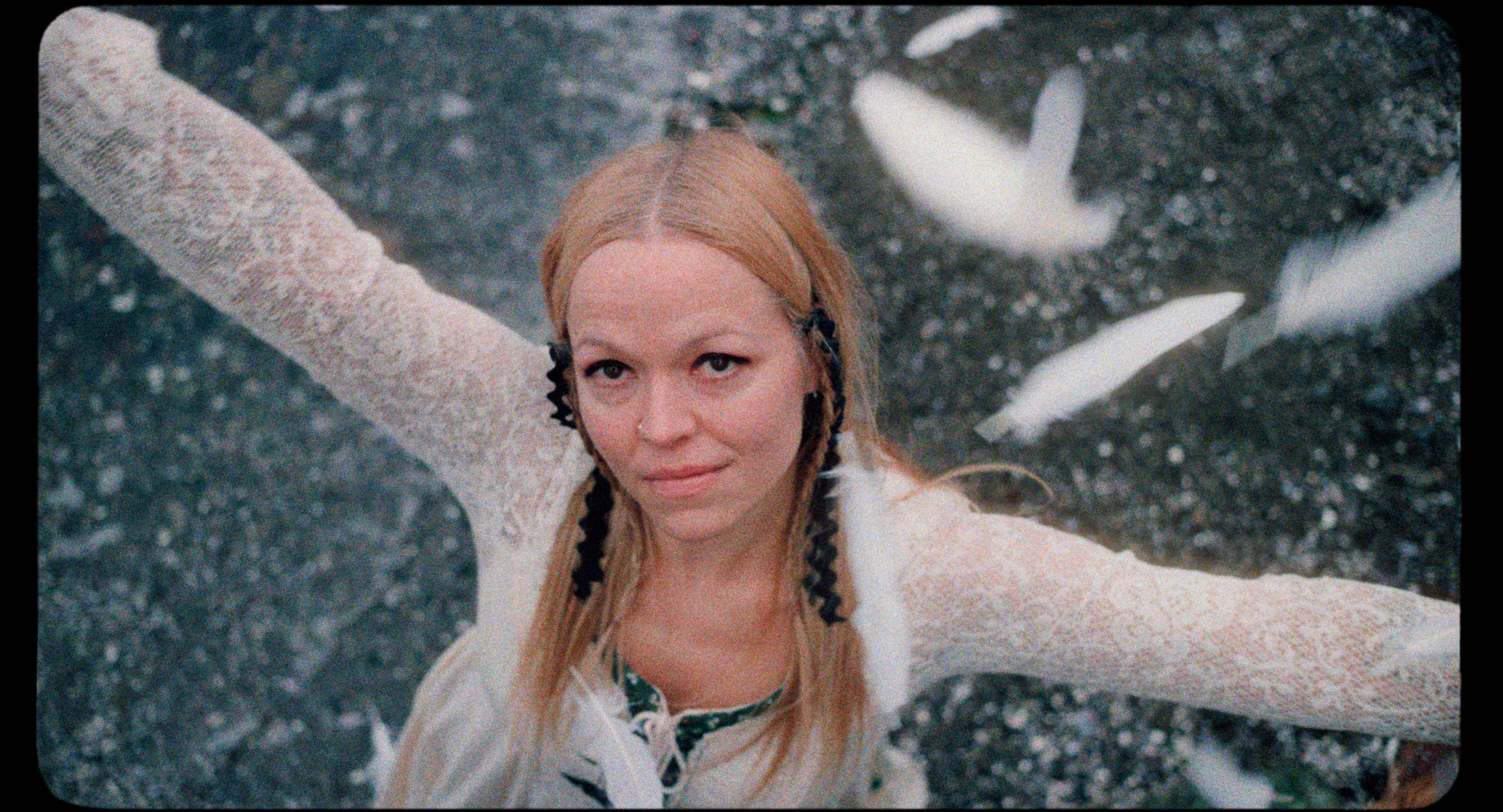
How did you divide responsibilities as co-directors while still protecting a singular, cohesive vision? Did your different backgrounds shape the way you approached directing together?
Ramsey comes from a background of documentary and cinematography. I was a child actor and started working in Vancouver when I was 12 years old and continued working in film and tv for decades until I became a director. My strengths are in story and working with actors. So we divide our responsibilities as Co-Directors with Ramsey as the eyes of the film and I am the heart.
LUCID’s visual language blends 90s MTV grit, punk collage, analog grain, and surreal horror. How early in the process did that aesthetic crystallize, and how rigidly did you hold to it during production?
We are children of the analog world. We grew up watching music videos on Much Music and 80’s horror. It shaped what our aesthetic is forever. We use every type of film you can imagine, 35mm, 16mm, Super 8. We even used stop motion in our dream sequences and all of our FX are practical just like 80’s horror.
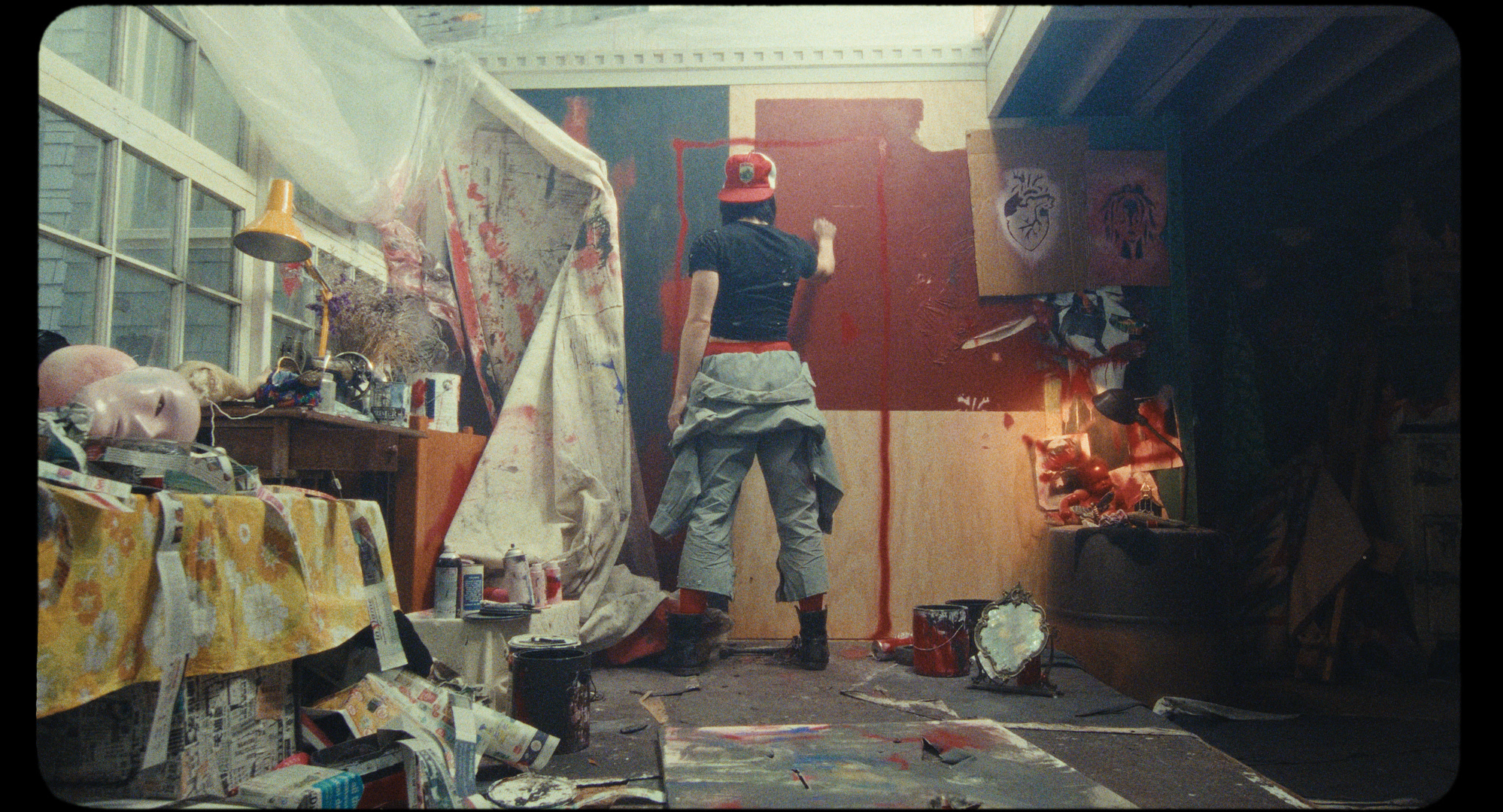
There’s a strong sense of “handmade” art in the film, from sets and props to the monsters themselves. Why was it important that LUCID feel physically constructed rather than digitally polished?
The collage style of LUCID was lovingly created to celebrate the DIY, hands on aspect of analog. We aimed to show the edges of the artistic process and the grit and mess that accompanies it. This part became so important as we are now releasing the film into a world of AI. Lucid is the antidote!
The film treats creativity like a dangerous substance, addictive and even damaging. At the same time, its emotional core deals with creative blockage and buried personal truth. Why did horror feel like the right medium to explore those ideas?
We wanted to play in a horror genre because of the way high stakes help the audience pay close attention. Horror elevates emotions. It keeps you on your toes and allows for absolute freedom when it comes to “reality”. Using a genre lens allowed us to elevate this exploration of an artist’s mind in the best way possible, with no limits! Horror also grants us world building opportunities where creatures like hair monsters, magical elixirs and LUCID dreaming could be possible.
Looking back on the filmmaking process, what lessons from making LUCID would you carry forward into future projects? And is there anything you would absolutely never do again?
We are already planning another film about an all female cult. We will continue to build characters with actors in rehearsals. We will continue to shoot on film. We had a very low budget and small crew, so we were lugging a lot of gear every day. I will never carry multiple sandbags on one hand again! One is enough or face injury! Other than that never say never. I would do whatever it takes to get the film made. We love making movies and will do whatever that takes.
You’ve described the film as a “coming of monster” story. What kind of filmmakers did LUCID ultimately turn you into?
We are LUCID punk rock, analog film monsters! LUCID has been quite monstery and telling us what it needs and rejecting what it does not from the beginning. The film has taught us so much about filmmaking and about art. We believe in showing the edges, committing to hand made work, because that is where the good stuff is. Community is everything with film and this film was made by a community of crazy Vancouver Island artists. We are so proud of what we all made! Happy to be a LUCID monster!
Click here to find out where to watch LUCID in your area. For more insight into the film, check out BTS footage on LUCID and Sublunar Films‘ Instagram pages.