Love, loss, family secrets, and the search for belonging are at the heart of AKASHI, the award-winning debut feature from Vancouver-based Japanese Canadian filmmaker, writer, and actor Mayumi Yoshida. Born in Japan and raised across three continents, Yoshida has built her career exploring stories that exist between cultures, languages, and notions of home. Those themes are at the heart of AKASHI, which she wrote, directed, and stars in.
Inspired by true events, the film is a multigenerational love story told across parallel timelines. It follows Kana, a struggling artist living in Vancouver who returns to Tokyo following her grandmother’s funeral. After a decade abroad, she finds herself suspended between two worlds, no longer fully at home in either. As she reconnects with her past, including an unexpected reunion with an old love, Kana is forced to confront a long-held family secret: her grandfather’s decades-long affair, a truth known only to her grandmother and herself.
Unfolding across the two timelines, AKASHI interweaves Kana’s journey with the story of her grandparents, tracing how love, sacrifice, regret, and longing ripple across generations. Moving between Vancouver and Tokyo, and between English and Japanese, the film explores what it means to carry multiple identities, navigate competing notions of duty and desire, and redefine the idea of home.
Since its world premiere at the Vancouver International Film Festival, where it won the Audience Choice Award in the Northern Lights showcase, AKASHI has continued to connect with audiences across Canada and internationally. The film has earned acclaim at festivals including the Whistler Film Festival, where it won the Borsos Award for Best Canadian Feature along with several other honours, and the Canadian Film Festival, where it received the Best Feature Film Award.
Following its festival run and award wins, AKASHI is now making the leap to audiences nationwide, beginning with a theatrical run at Vancouver’s VIFF Centre from November 13-24, featuring director Q&As, before expanding across Canada. To celebrate the release, we spoke with Mayumi Yoshida about bringing a deeply personal story to the screen, the challenges and rewards of creating a multilingual, cross-cultural film, and what she learned from writing, directing, and starring in her debut feature.

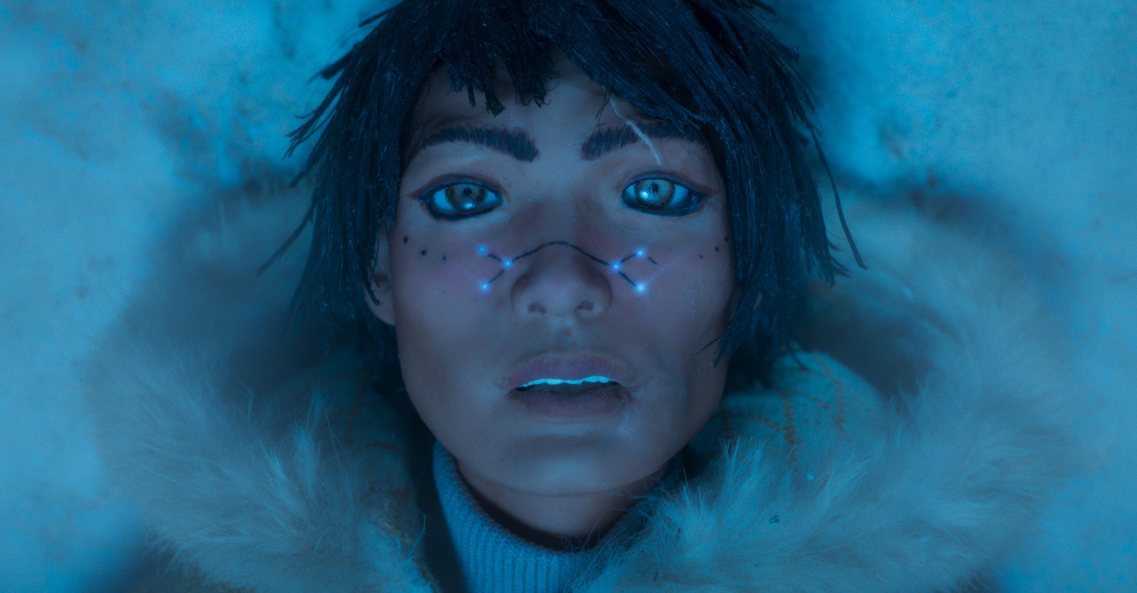
Still from AKASHI (2025). Courtesy of Musubi Arts
1. AKASHI draws from true events and spans generations, timelines, and continents. How did the journey from personal experience to screenplay happen?
It first began as a Vancouver Fringe play, which then became a Storyhive-funded short film before I developed it into a feature script. From my initial conversation with my grandma in 2011 until it became a play in 2016, it was just an idea that I wasn’t entirely sure how to turn into a full story. I kept talking about the themes and the central question. Without even realizing it, I was practicing my pitch! Adapting it from a stage play to a screenplay was definitely a challenge, but I had the privilege of workshopping the script with actors during the play’s development, so I’m very glad the story went through that evolution.
2. Kana returns to Tokyo after spending a decade in Vancouver and finds herself both at home and out of place. What interested you about that in-between feeling?
Growing up across different continents during my childhood, I always felt like I never fully belonged anywhere. I used to feel as though I had distinct personalities depending on whether I was speaking Japanese or English. As I started writing and directing, I realized there was a consistent theme, tone, and POV across all of my work, which I guess is what people call “your voice.” I was deeply interested in exploring the perspective of someone stuck in the middle, existing in both worlds yet fully belonging to neither. Through making films, I was pleasantly surprised to discover how many people shared a similar outlook. I realized that the more personal and specific I made the story, the more universal it became, so I dug deeper into tying it directly to my own lived experience.
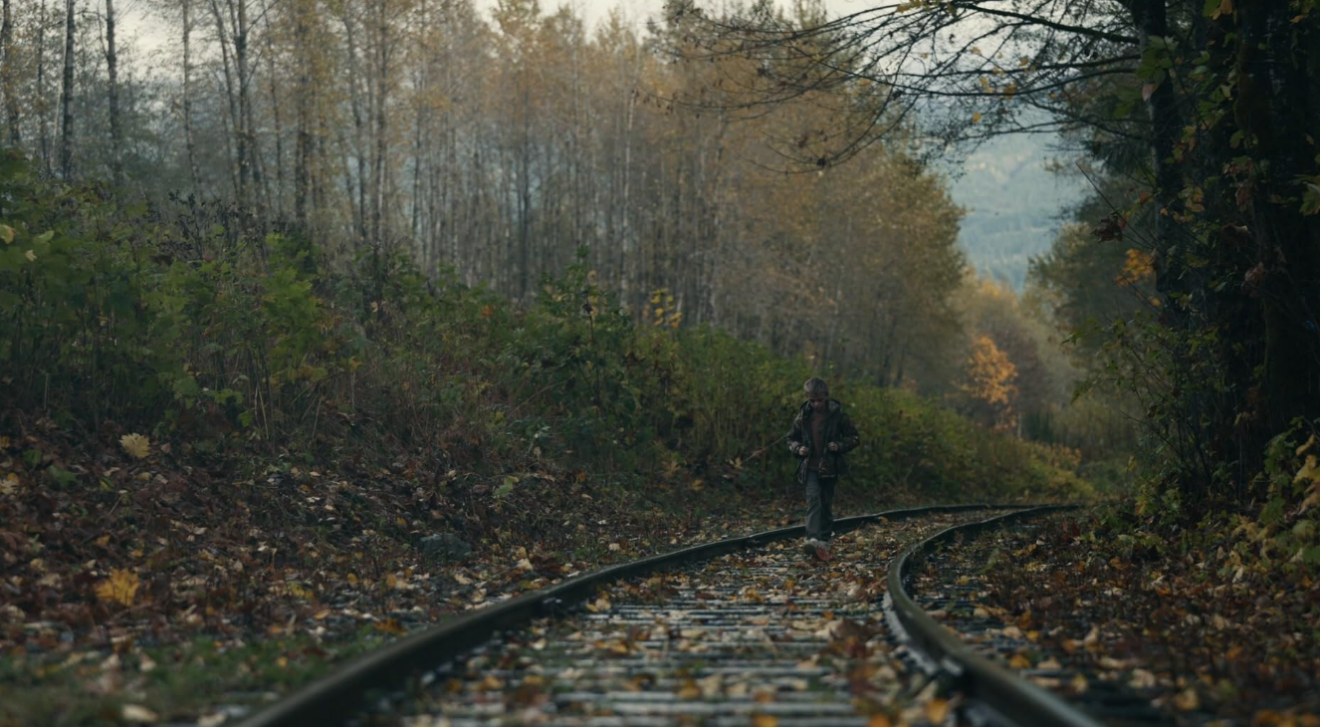
Still from AKASHI (2025). Courtesy of Musubi Arts
3. The film unfolds across parallel timelines, with Kana’s story echoing her grandfather’s. When did you realize these two narratives needed to be in conversation with one another?
I’ve always enjoyed multigenerational stories and exploring how the past and present intertwine. The big question that stayed with me after that conversation with my grandma centered on our generational differences and similarities around “love” and “commitment.” I knew from the start that I wanted to highlight this contrast. As I continued developing Kana and Grandpa’s characters, I became curious about what parallel tracks they might share. As families, we unconsciously inherit traits. I even see it in my own family. Even when we try to deny it, it’s fascinating how we often can’t fight our genes. One of the central themes of the film is how things are passed down over time, so connecting Kana and Grandpa in that way felt special, making Grandma’s existence vital to both of their journeys.
4. AKASHI explores love at different stages of life, from first love to long-term commitment and sacrifice. What drew you to examining those relationships side by side?
I love films that you can grow old with. When I first learned about my grandmother’s secret, I was struck by the way she shared it with me… She existed in a state of transcendent acceptance, not in a holy or idealized way, but in a deeply practical one. I was fascinated by the contrast between her understated composure and my grandfather’s relative melodramatics.
The way we experience love naturally evolves as we age. When one person feels things overwhelmingly, how does their partner respond? How we navigate loneliness and social expectations also shifts dramatically depending on our age, geography, and era. It’s a dynamic I find endlessly fascinating and will likely keep exploring throughout my career.
In AKASHI, these specific characters gave us a beautiful way to ground those ideas. My hope is that audiences can rewatch the film years later and relate to different characters over time, much like the Before trilogy. You might lean into one character more than another depending on where you are in your own life.
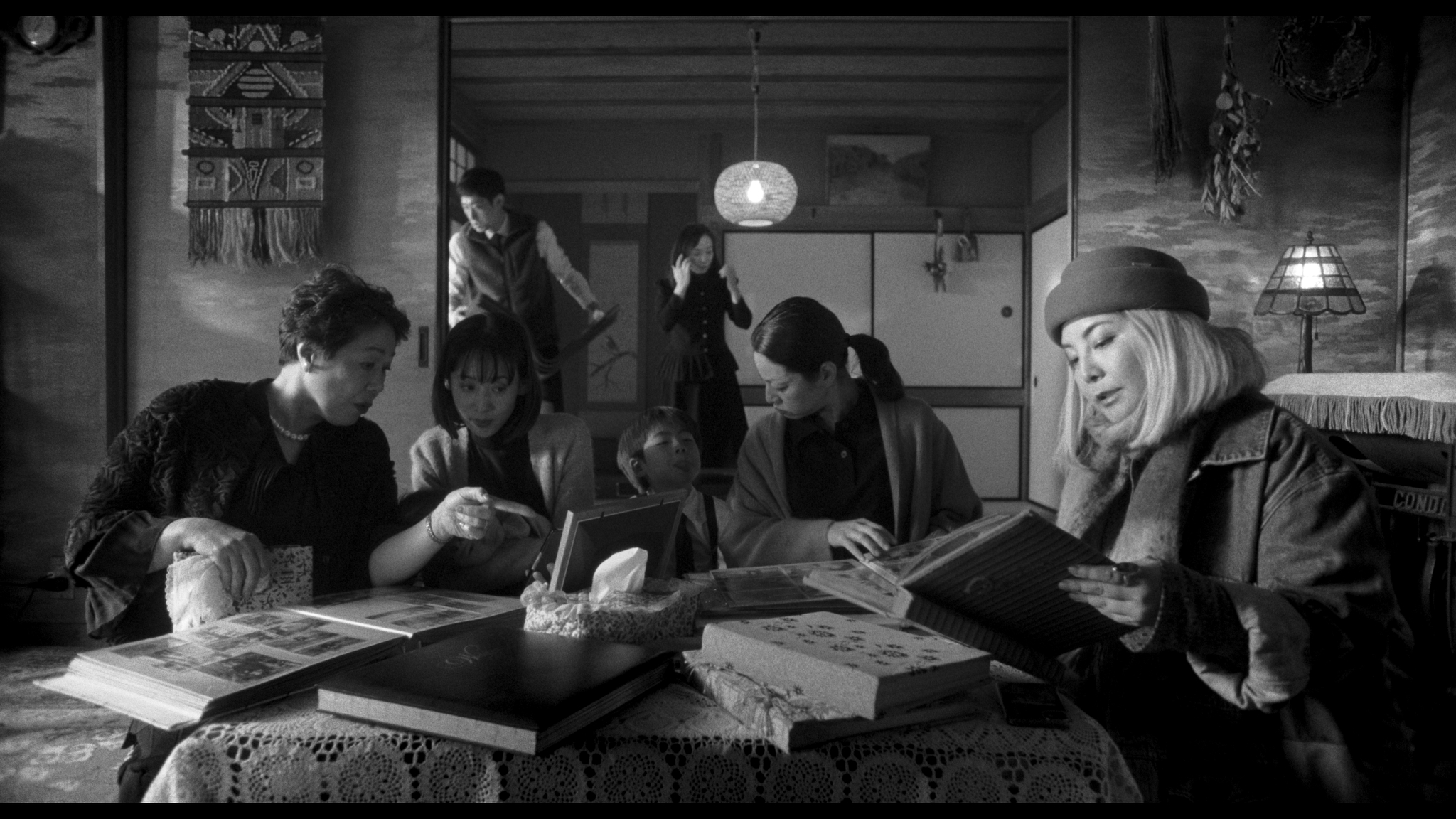
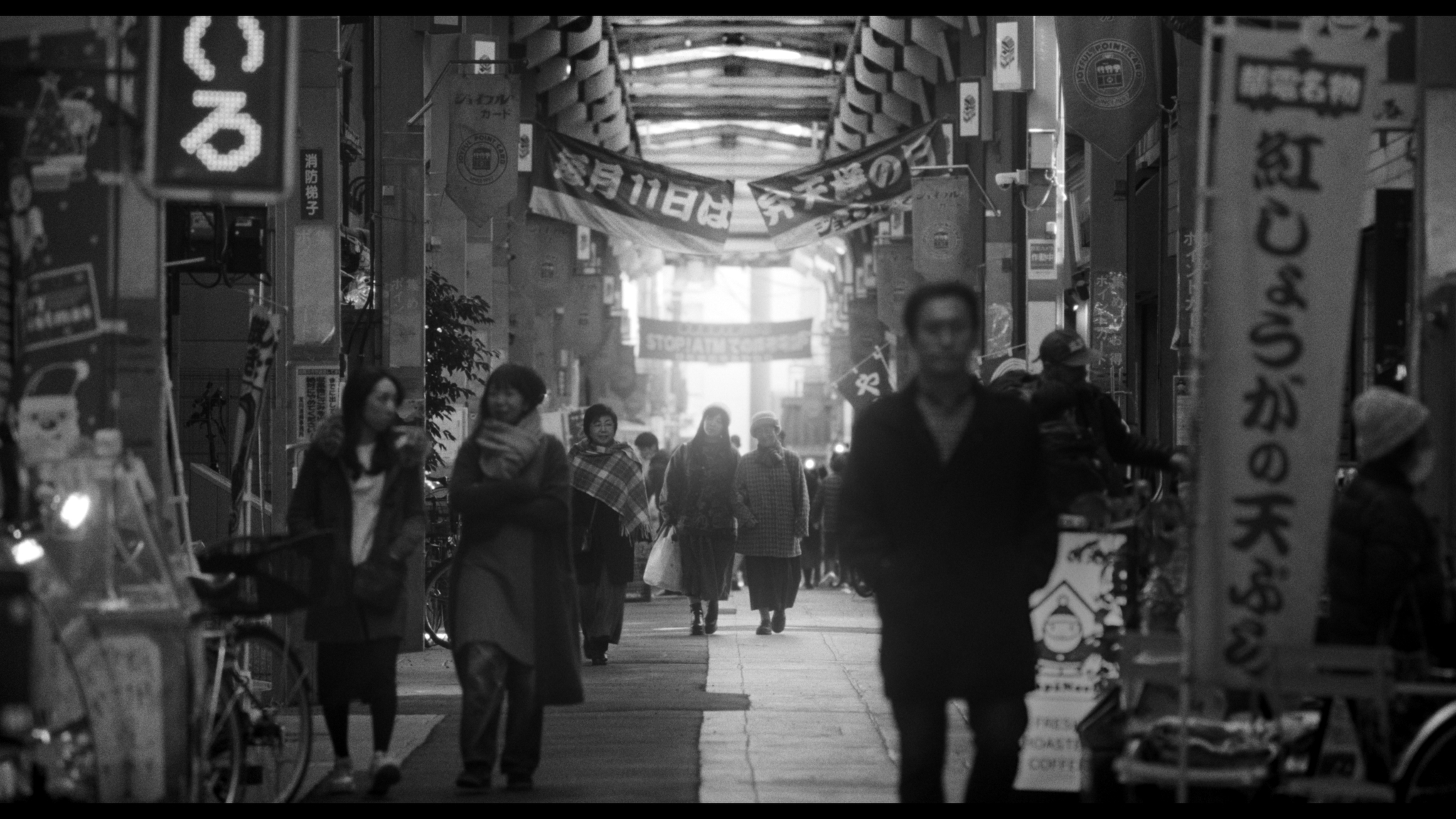
Still from AKASHI (2025). Courtesy of Musubi Arts
5. The film moves between Vancouver and Tokyo, English and Japanese. What did that duality allow you to explore that a story set in just one place couldn’t?
First of all, I think it accurately depicts a person’s life when existing between two different worlds. We don’t see Vancouver on screen, but we feel it through Kana’s presence, in her energy and how she carries herself compared to everyone around her. The divide between feeling like a “local” versus a “foreigner,” even among people of the same cultural background, is a distinct dynamic for those who have left their home.
We often see stories about someone returning to their hometown after years away, but moving to another country—especially moving independently from Asia to a Western country—adds an entirely different layer. It’s a unique experience familiar to many immigrants, yet it remains rarely explored. Immigrant narratives often focus on building a new life in a new environment or fighting to stay there. I wanted to tell a different kind of immigrant story: one about realizing that home is no longer the home it used to be, and figuring out how to navigate your relationships in that space.
6. The film is rooted in deeply personal experiences, yet audiences from very different backgrounds have connected with it. What do you think they’re recognizing in Kana’s journey?
I believe it connects with so many people BECAUSE it’s deeply personal.
I think it also speaks to that universal struggle of questioning where you belong, wondering if you’re on the right path, and navigating the inherent loneliness of pursuing your passion when it pulls you away from the people you love. I love that Kana is imperfect. She is determined yet lost, strong yet lonely. That central duality is I think what makes her relatable.
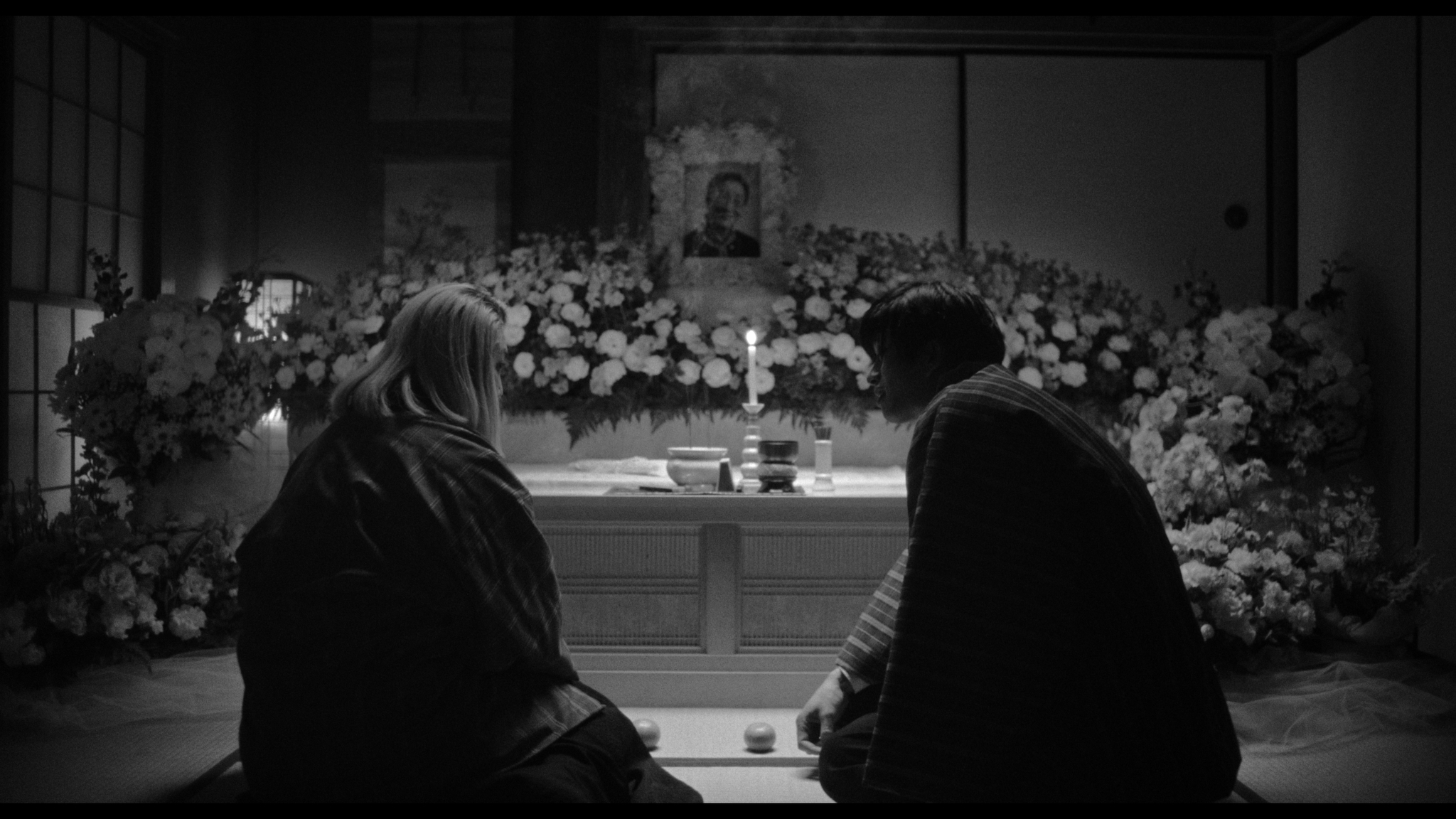
Still from AKASHI (2025). Courtesy of Musubi Arts
7. Beyond the film itself, your advocacy helped open the door for multilingual films like AKASHI to be recognized as Canadian. What does it mean to see audiences embracing a story told across languages, cultures, and continents?
On a pure entertainment level, I love seeing more stories from so many different backgrounds and seeing fellow filmmkers from under-represented communities reshaping the industry, It’s exciting.
On a business level, it means we’re at least on the same starting line now. Well, kind of.
When I was in school, there was a school-wide audition casting the lead actors for a fairytale-themed film. The casting call listed roles like Cinderella, Alice, and Snow White. I’ll never forget auditioning for one of those roles and being told, “It’s too bad, you’re the best actor, but you could never play this”. Just being myself made it harder for them to say yes. I wasn’t even considered “qualified” to be on the starting line.
This was before any sort of movement for diversity and representation had begun. That is what language restrictions felt like, too—having to alter and adjust our language just to meet the criteria of being called “Canadian.” Systemic racism can be hard to identify because it’s often so deeply ingrained in our systems that we don’t even notice it until we step back and question why these barriers exist in the first place.
It makes me feel proud to see so many Telefilm-funded projects embracing different languages and cultures today. However, I’m also well aware of how we can easily slide backward in terms of representation, meaningful funding, and real opportunities. It’s no longer enough to just “feel seen” and I am committed to continuing to create and tell stories that I can truly be proud of.
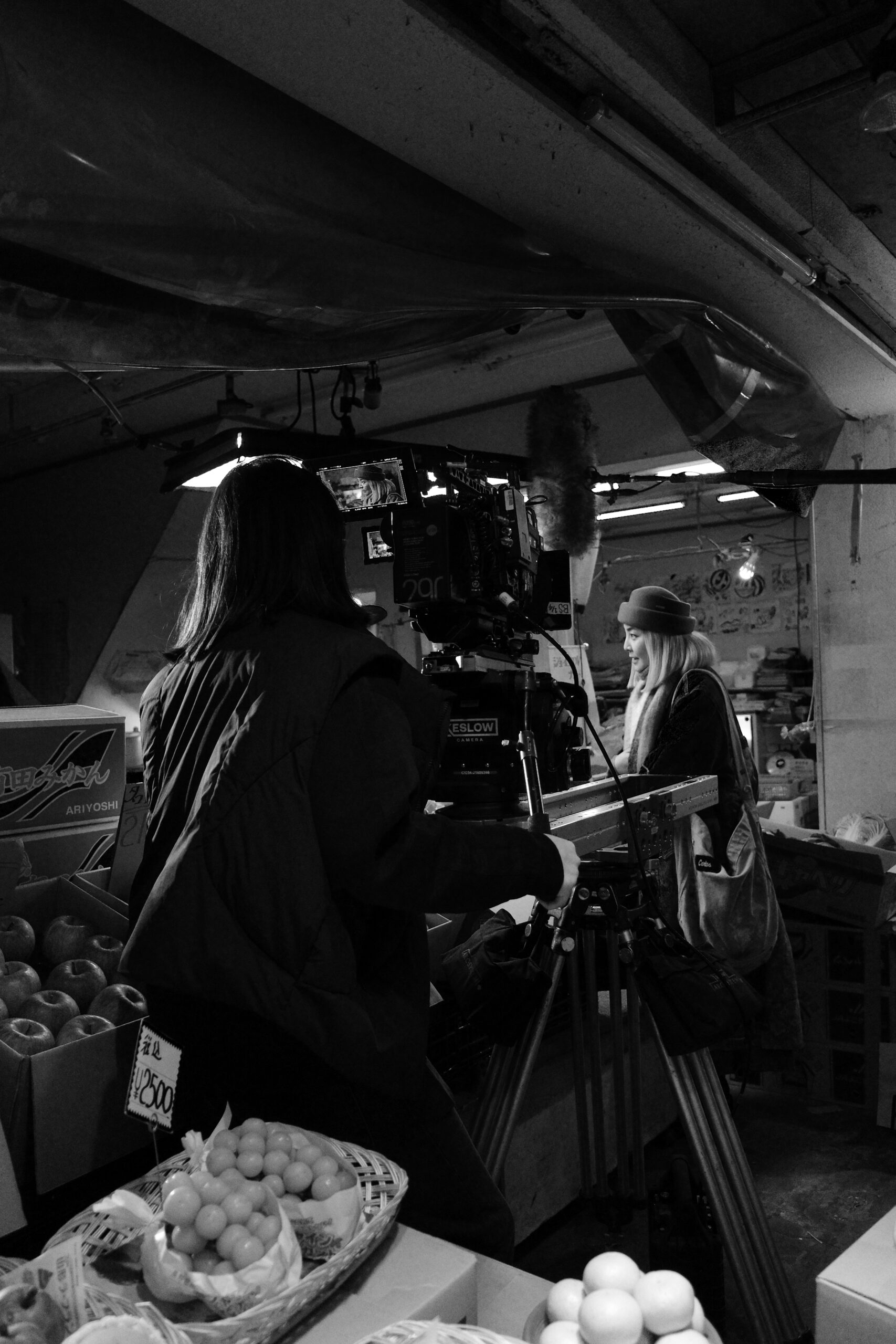
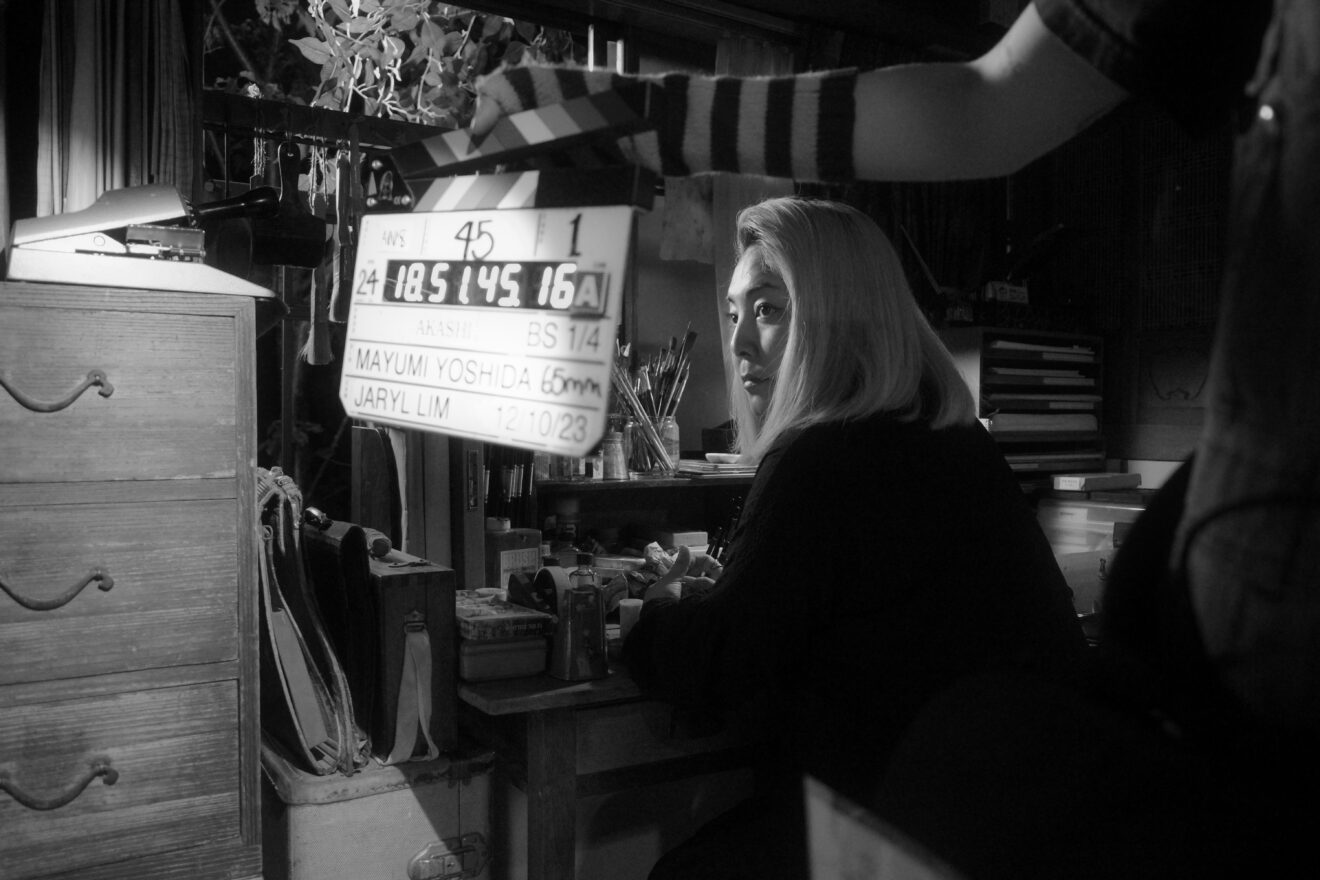
Behind the scenes of AKASHI. Photo credit: Peter Planta
8. When you’re directing yourself, how do you know when you’ve got the take?
I don’t think many directors truly know if they got the take, even when they’re only directing! Independent filmmaking often means working under challenging conditions, so we rarely have the luxury of shooting until we’re completely satisfied. Having worked on larger union productions as well as micro-budget indies, I’ve learned that fighting for time is a universal reality, and it’s a directors job to make it work within the limited amount of time.
If anything, acting in the film actually made decision-making smoother. I was able to prepare thoroughly with my lead actor, and sharing a collective brain with my producers, Tyler and Nach, and my DOP, Jaryl, allowed us to evaluate takes quickly on set. Having a background in theatre, we also rehearsed many scenes like a play during pre-production. By the time we were on set, it was all about trust and play. I didn’t try to micromanage every moment because we had already anchored the core story beats in rehearsal, allowing me to stay fully present with my scene partners.
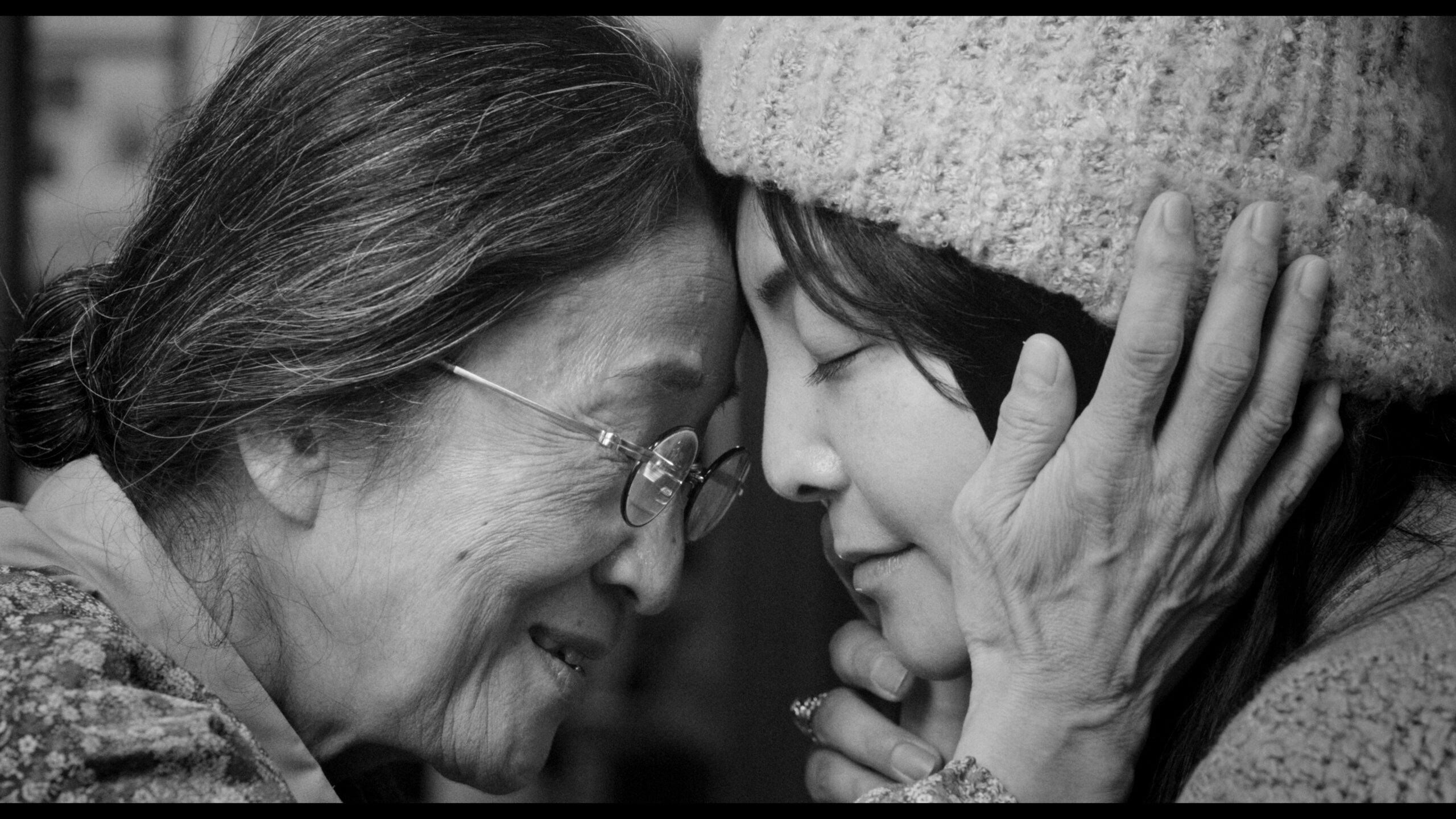
Still from AKASHI (2025). Courtesy of Musubi Arts
9. After writing, directing, and starring in your debut feature, what did making AKASHI teach you about yourself as a filmmaker that you couldn’t have learned any other way?
That’s a big question! But making this film gave me the strength to truly believe in myself. In my vision, my voice, and my identity as a creative. I’m obviously still developing and growing, but there’s far less self-doubt now when I talk about myself as a filmmaker.
As an actor, I’m still genuinely humbled and pleasantly surprised by any praise, to be honest. I’m still fighting that inner demon whispering “you’re not good enough,” but strangely enough, acting remains the most comforting form of expression once I’m locked in. It’s why I can never stop.
Another key lesson has been realizing that everything truly happens for a reason. There were moments when I felt I had missed an opportunity, was falling behind, or was moving too quickly and needed more time. But every time I didn’t get what I wanted, missed a milestone, or thought I made a mistake, it somehow led to something unexpected and often even better. As long as you keep your eye on the ultimate goal and hold onto patience and perseverance, no path is a detour. Anything can lead to something great. You just have to stay determined (and maybe a little delusional!) that you are going to make it happen.
AKASHI’s first theatrical run in Vancouver is taking place November 13-24 at the VIFF Centre. Visit their website to learn about showtimes and purchase tickets. To learn more about Mayumi Yoshida, visit her website and stay tuned for more updates on AKASHI’s journey on her Instagram page.
Cover image: Behind the scenes of AKASHI. Photo credit: Peter Planta