Vancouver’s jazz scene today is a wonderful space to discover and rediscover. Upheld by outstanding long‑time musicians and bolstered by emerging artists full of talent and excitement, the scene continues to expand, constantly offering something new to eager audiences. On any given day, chances are you can find a show to attend somewhere in the city, and no matter how familiar the household names become, might not encounter the same lineup twice. The scene’s uniqueness, variety, and drive are unmistakable. From historic venues to brand‑new spaces and unconventional locations, jazz in Vancouver continues its legacy while delighting the senses of audiences old and new.
On April 30, we celebrate International Jazz Day and take a moment to look back at how we got here. Vancouver’s jazz scene was born in the early 20th century. It grew bit by bit, shaped by migration, prohibition, resilience, a deep need for creative expression, and the sheer passion of musicians and audiences alike. From the first cafés that witnessed the birth of a new genre, to clubs shrouded in mystery that hosted famous names, to today’s festivals and initiatives that keep jazz alive and thriving, the music has long played an influential role in the city’s cultural life.
Its story is rich and worth exploring, and this article is only a bite-sized retelling. Further reading is encouraged and a few resources to get started with can be found at the bottom.
The beginnings of jazz: 1910s–1920s
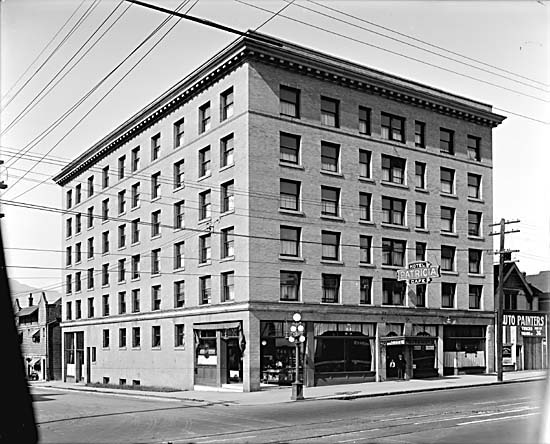
The Patricia Hotel, courtesy of City of Vancouver Archives
Jazz first took hold in Vancouver in the early 1900s, at a time when the city was still defining its cultural identity. Vancouver’s first exposure to jazz happened in 1914 and 1916, thanks to the Original Creole Orchestra that brought an exciting new genre to the city, but a true jazz scene was yet to be established until 1917.
Though it seems ironic due to its smoky and spirited reputation, it was Prohibition that created the unique circumstances for jazz to take hold and flourish in North America. As the alcohol ban came into effect in October 1917, hotel bars at the Patricia, Irving, and the Bodega saw profit losses and pivoted to feature live music, swinging open the door to establish the area as a jazz hotspot. By 1919, the Patricia Café was already one of the hottest jazz clubs on the West Coast. This is in no small part thanks to a stellar house band, featuring legendary jazz pioneer Jelly Roll Morton. Morton played a major role in establishing the genre locally and, though he departed briefly due to band conflicts, he returned in 1921 to form a house band trio at the historic Hotel Irving.
As the decade progressed, tensions between Canada and the U.S. affected the cross-border music scene. Union restrictions and an outright boycott of American musicians in the mid-1920s disrupted the flow of jazz talent in and out of Canada. It wouldn’t be until Duke Ellington’s return to Vancouver in 1940 that these barriers began to ease.
At the same time, another vital hub of early jazz culture was taking shape, namely Hogan’s Alley. Part of Vancouver’s historic Black community in Strathcona, Hogan’s Alley developed between 1915-1917 alongside railway construction, and transformed the neighbourhood into a hub of vibrant culture. Home to businesses like Vie’s Chicken and Steakhouse, It became a welcoming stop for visiting musicians, among them jazz greats such as Louis Armstrong and Ella Fitzgerald.
The post‑war Golden Age: 1950s–1960s
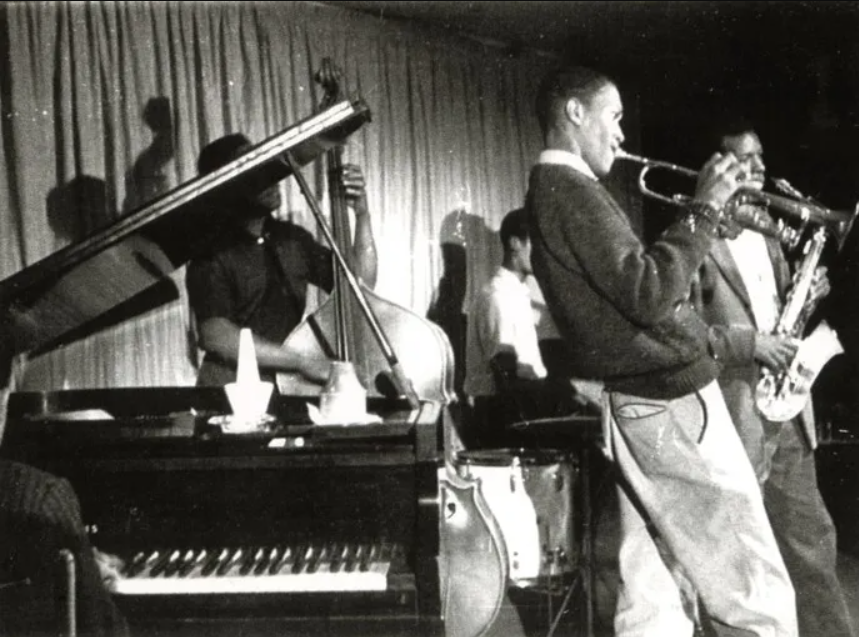
Don Friedman, Ben Tucker, Billy Higgins, Don Cherry, and Ornette Coleman performing at the Cellar (1957). Courtesy of Capilano University Archives.
The post‑war period marked a high point for jazz in Vancouver.
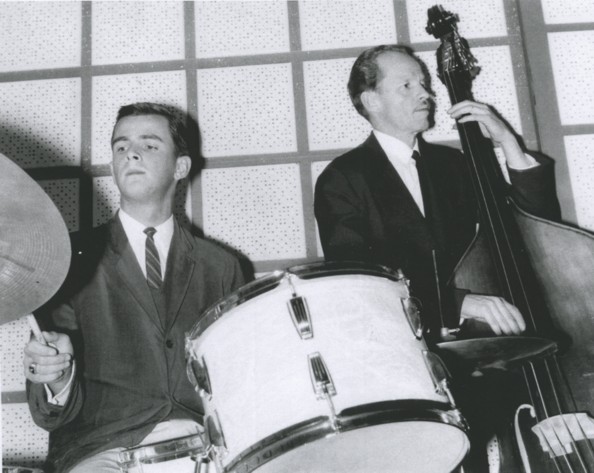
In 1955, a group of local musicians opened The Cellar, an underground jazz club located in a literal basement at Main Street and East Broadway. Founded as a cooperative, The Cellar was one of Western Canada’s most important jazz venues, nurturing local talent while also hosting international artists. According to guitarist and member Jim Kilburn, an impressive roster of performers such as Ornette Coleman, Scott LaFaro, Dave Pik, Don Cherry, Barney Kessel, Charlie Mingus, and Harold Land all took the stage at the Cellar. Though it quickly rose to prominence and became a cultural landmark, the Cellar closed in 1964. The Cellar was briefly revived decades later, only to close again in 2013.
Between 1957-1967, another important venue was operating in Strathcona, at 343 East Hastings. The Harlem Nocturne Cabaret was Vancouver’s only Black-owned nightclub at the time, managed by jazz musician Ernie King as his wife, dancer Marcela “Choo Choo” Williams, who would often perform. As the club was denied a liquor license, it operated as a bottle club where patrons brought their own alcohol, which frequently attracted police attention. Despite all challenges, the Harlem Nocturne Cabaret was a powerful symbol of resilience and artistic expression in Vancouver’s Black community. During its decade-long tenure, the club hosted renowned musicians, and its closure reflected a broader decline in jazz club attendance.
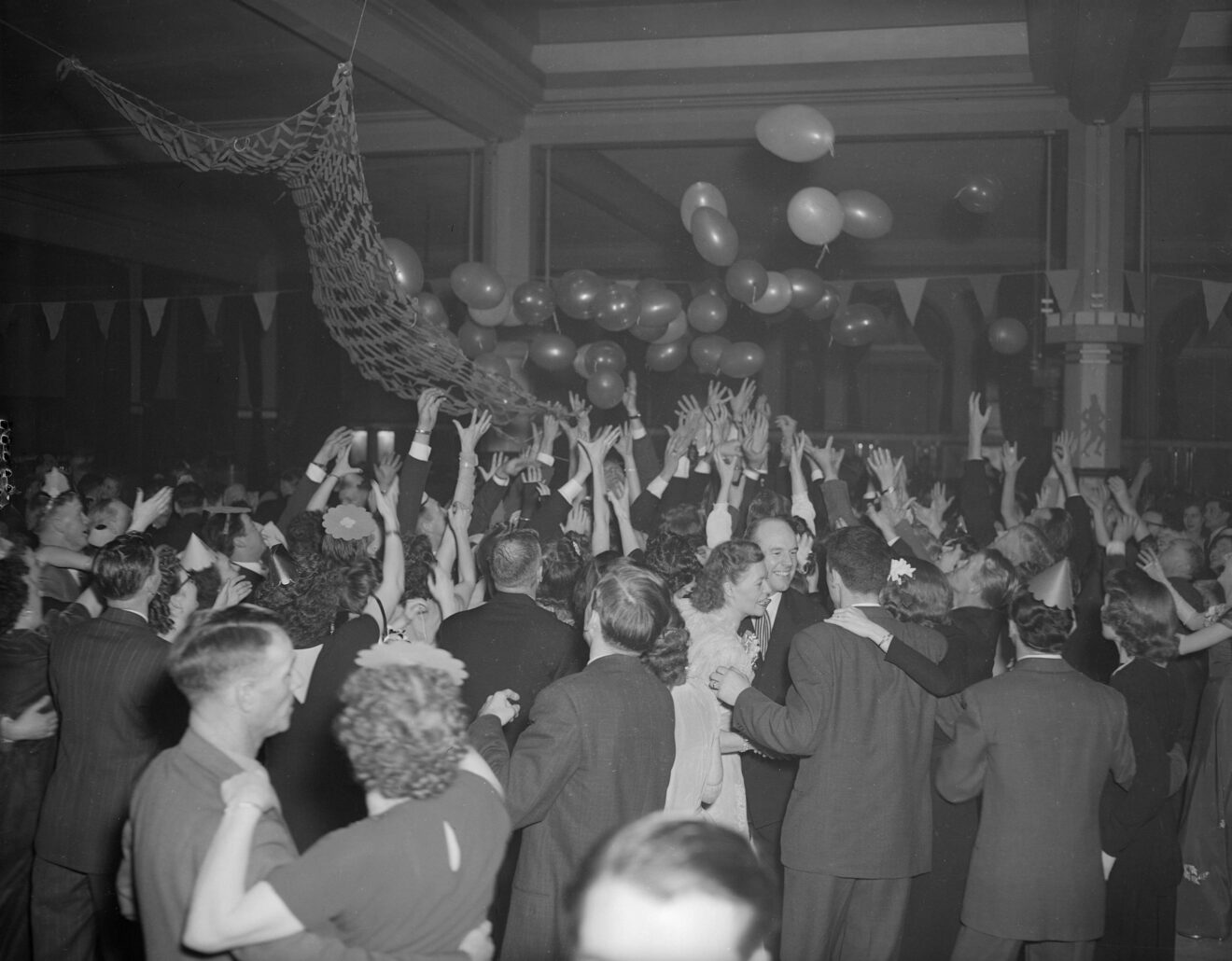
This time period also marks the rise of Dal Richards, one of Vancouver’s most enduring jazz figures. Emerging during the Big Band era, Richards adapted as musical tastes changed, eventually becoming the band leader for the Pacific National Exhibition Bandstand. His band famously performed 79 consecutive New Year’s Eve concerts, a run that lasted until his death on December 31, 2015. Richards’ career spanned more than 70 years, earning him the Order of Canada, the Queen’s Golden Jubilee Medal, and induction into the B.C. Entertainment Hall of Fame. He remains widely regarded as the longest‑playing professional musician in Canada.
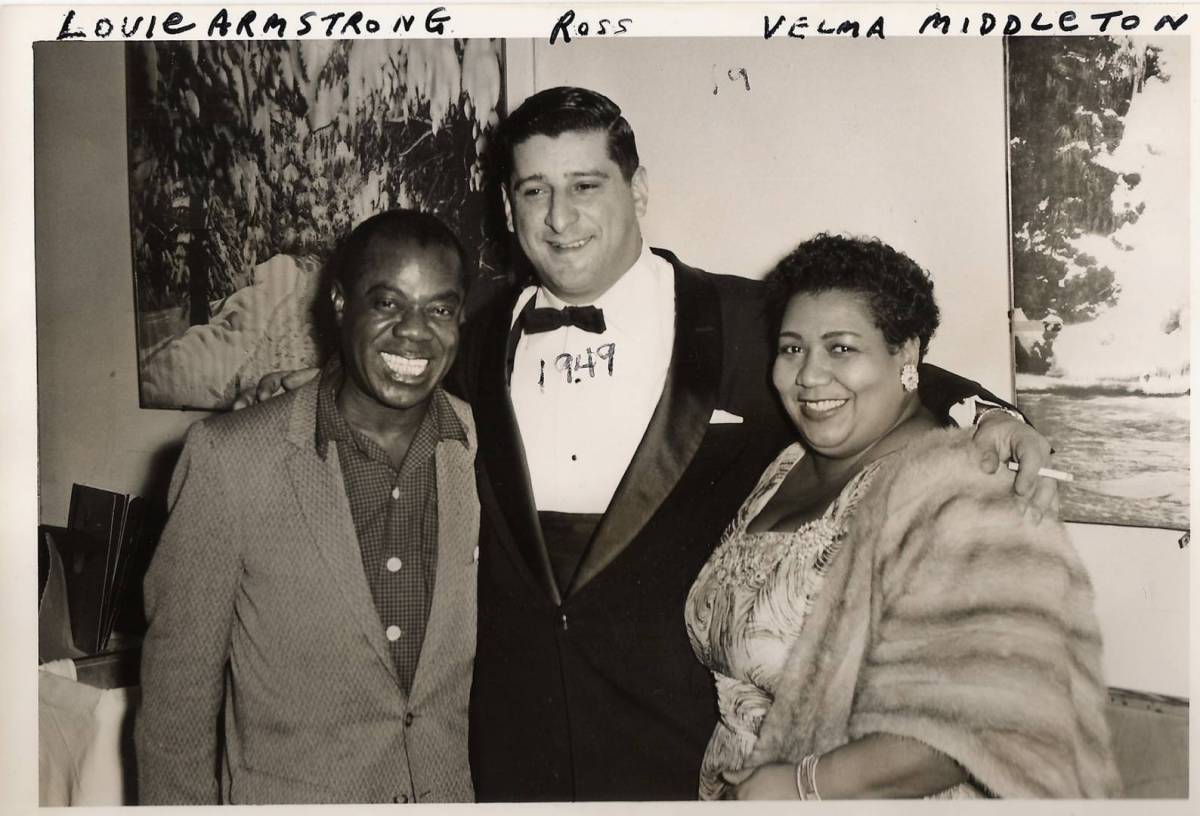
Louis Armstrong and Velma Middleton at the Penthouse.
Though The Cellar and Harlem Nocturne Cabaret have shut down, one venue of those golden years still stands and continues to feature music. Vancouver’s historic Penthouse on Seymour was opened in 1947 by four Filippone brothers and quickly became a good time spot for locals and international stars alike. Famous musicians like Frank Sinatra, Sammy Davis Jr., Nat King Cole, Ella Fitzgerald, Billie Holiday, Louis Armstrong, and Duke Ellington performed here. Black and white photos of the visiting stars hang framed on the walls of the venue, now dubbed Tyrant Studios and run by Daniel Deorksen of Seven Tyrants Theatre Society. The Penthouse is still owned by the Filippone family, and its music is just as electrifying as it was decades ago.
The modern era: 1980s-present day
Jazz in Vancouver found new life in the 1980s with the founding of the Coastal Jazz & Blues Society in 1985. Incorporated the following year, the organization became British Columbia’s largest not‑for‑profit music presenter and the producer of the Vancouver International Jazz Festival, which debuted during Expo ’86 with sponsorship help and expanded programming that included theatres, clubs, outdoor bandstands, and six venues on the Expo site. The artist roster was star-studded, featuring the likes of Miles Davis, Wynton Marsalis, Ornette Coleman, Bill Frisell, Abdullah Ibrahim and Ekaya, Albert Collins, Koko Taylor, John Mayall, Tony Williams, Bobby McFerrin, Tito Puente, Steve Lacy, Tim Berne, Roscoe Mitchell, Paul Plimley, Phil Dwyer, Ran Blake, and many more.
Famously, the 1986 festival reached international audiences not only due to its extraordinary programming, but also due to an impromptu showdown between Miles Davis and Wynton Marsalis, who were known to be feuding at the time. During Davis’ performance, Marsalis appeared on stage uninvited, which prompted a loud argument between the two, a moment that inadvertently put Vancouver Jazz Fest on the radar for international publications.
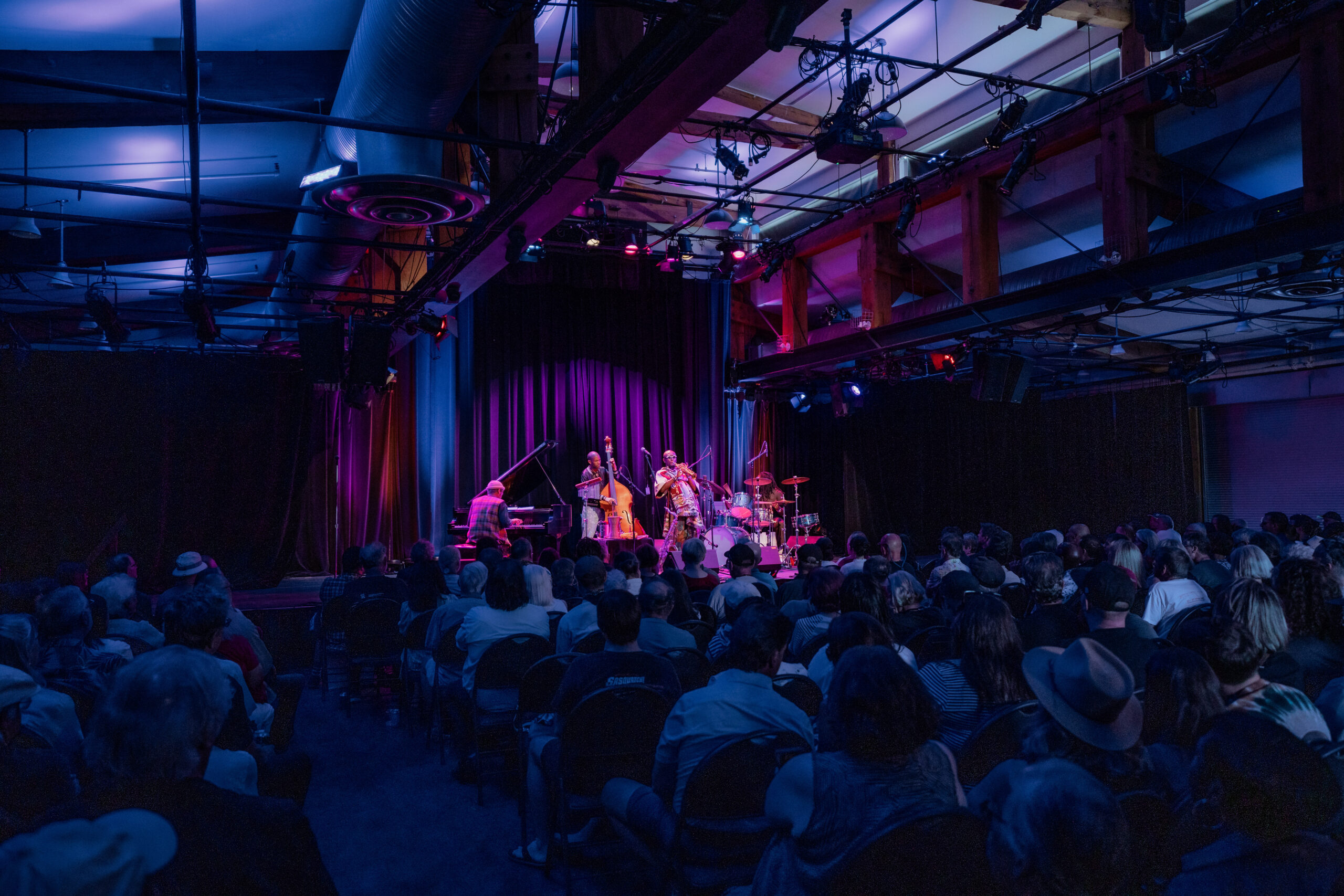
Vancouver International Jazz Festival 2025. Credit: Matt Taylor.
Since its inaugural year, Jazz Fest continues to be a staple of Vancouver’s music scene, elevating local talent and bringing in emerging and established artists from Canada and all over the world. But beyond the festival, Coastal Jazz has played a crucial role in year‑round programming and music education, supporting initiatives like the Sounds of Youth Stage and the Vancouver Youth Jazz Orchestra, ensuring the next generation of musicians has a place on Vancouver’s stages.
Decades after its closure, The Cellar was revived by saxophonist Cory Weeds, who opened Cory Weeds’ Cellar Jazz Club near West Broadway and Dunbar. Though the venue eventually closed in 2013, Weeds continued his mission to support classical jazz, through the independent label Cellar Music Group, which also presents the annual Jazz at the Bolt Festival.
In 2015, Weeds also became musical director at Frankie’s Italian Kitchen and Bar, now one of Vancouver’s most important jazz venues and a staple location during the Vancouver International Jazz Festival. Notably, Frankie’s still houses the original Steinway B piano from The Cellar, preserving a tangible link to the city’s jazz past. With its intimate supper‑club atmosphere and newer initiatives like the After Dark series presented by Infidels Jazz, Frankie’s continues to promote both established and emerging artists, proving that while venues may change, Vancouver’s jazz spirit endures.
Though not many venues are jazz-exclusive in Vancouver, there is no shortage of places to attend a good show. Infidels Jazz is a Vancouver-based events company that presents over 300 live music events per year at venues all over the city. Featuring more than 500 musicians every year and bringing in international touring artists, you can catch an Infidels show anywhere from established venues like The Rickshaw, Olympic Village Stage, or Hollywood Theatre, to pubs, restaurants, and brand new spaces like the Zameen Art House. They even feature shows in partnership with the VIFF Live series, curating a short concert and film screening for each event. You can catch new renditions of iconic albums, tributes, and new lineups of homegrown talent.
All this stands testament that Vancouver jazz is ever expanding, not merely surviving but thriving with the passion of B.C.’s musicians, entrepreneurs, and jazz lovers of all ages.
Featured image credit: Don Cummings and Chuck Knott at The Cellar in 1957, courtesy of Capilano University’s Vancouver Jazz History Archive.
Resources and further reading
- On early jazz in Canada: Such Melodious Racket: The Lost History of Jazz in Canada, 1914-1949 by Mark Miller.
- On Vancouver’s jazz scene: Journeys to the Bandstand: Thirty Jazz Lives in Vancouver by Chris Wong.
- On the history of the local nightlife scene: Vancouver After Dark: The Wild History of a City’s Nightlife by Aaron Chapman.
- On the Penthouse and Tyrant Studios: Liquor, Lust, and the Law, also by Aaron Chapman.
- To learn even more about the Penthouse, attend A Forbidden Vancouver Special Event: Secrets of the Penthouse.
- For more history on the Vancouver Jazz Fest, check out their Festival Memories blog.
- Check out Jazz Street Vancouver, an interactive website compiled by Coastal Jazz and Blues Society about the history of jazz in Vancouver.
- Check out the ever-growing Vancouver Jazz Archive to discover over 400 items going back to 1979.
Want to attend a jazz event?
Sign up for the Rhythm Changes newsletter for shows every day of the week, check out Do604’s jazz and blues list, or browse through the Infidels Jazz upcoming events.
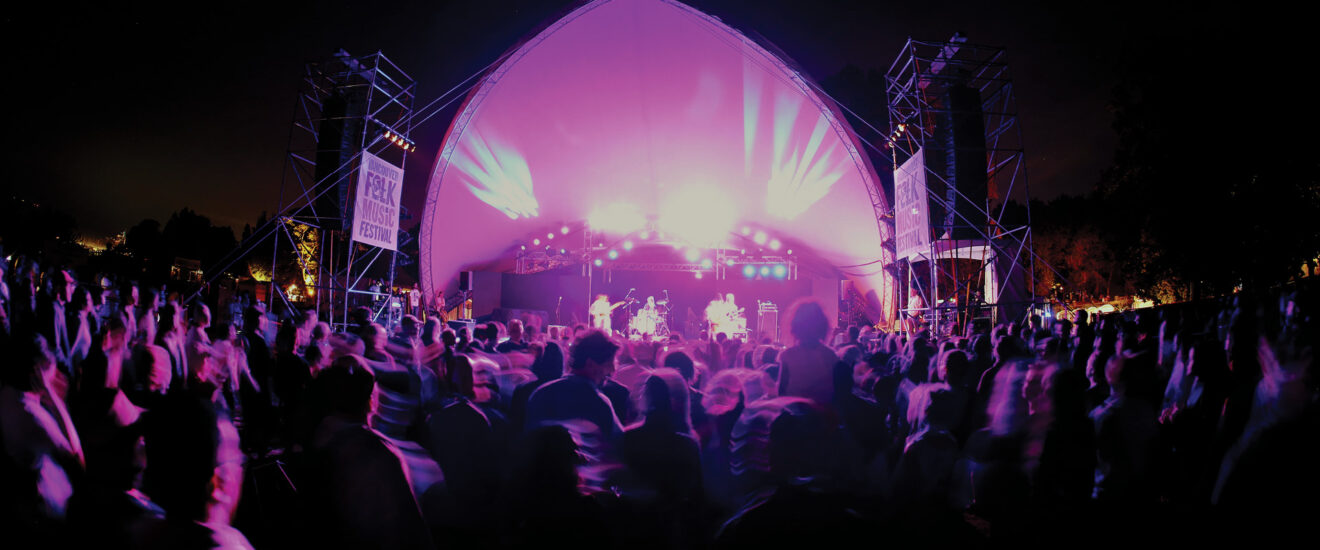
Check out the newly announced lineups for the Vancouver International Jazz Festival and the Victoria International Jazz Festival. Jazz acts are also featured at the Vancouver Folk Festival.