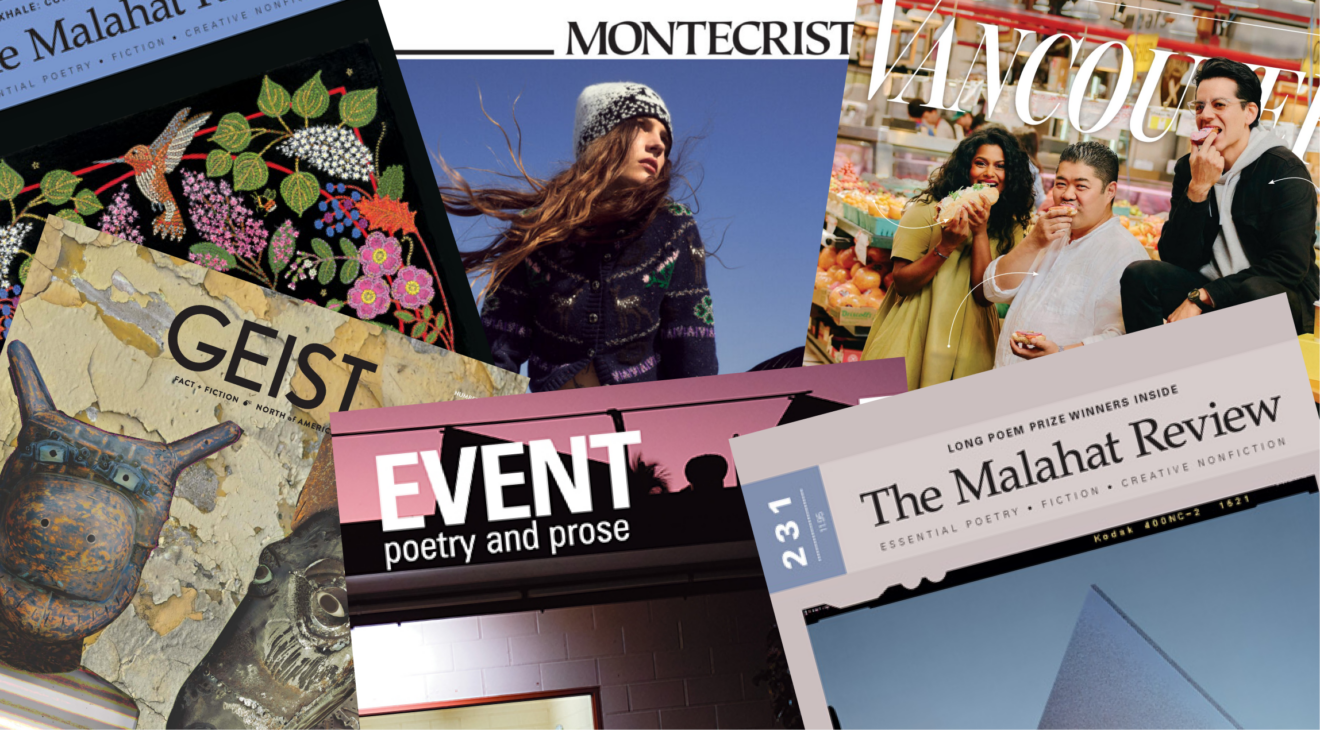
On May 21st, we observe National Magazine Day, a day to honour the enduring impact of magazines on culture, journalism, and storytelling. It serves as a reminder of the rich history and continued relevance of print media in an increasingly digital world. Magazines have played a pivotal role in shaping public discourse, influencing trends, and providing in-depth reporting on a variety of topics, serving informational purposes and sparking cultural conversations.
British Columbia is home to over 280 magazines, representing a broad diversity of publications, ranging from small to large, literary to lifestyle, leisure to arts and culture, news, business, and special interest magazines. Industry professionals in all magazine-related occupations are recognized for their excellence in content, design and production as well as providing thought-provoking commentary, engaging narrative, spectacular images and informed analysis of current issues that reflect the lifestyle, spirit and aesthetic of B.C.
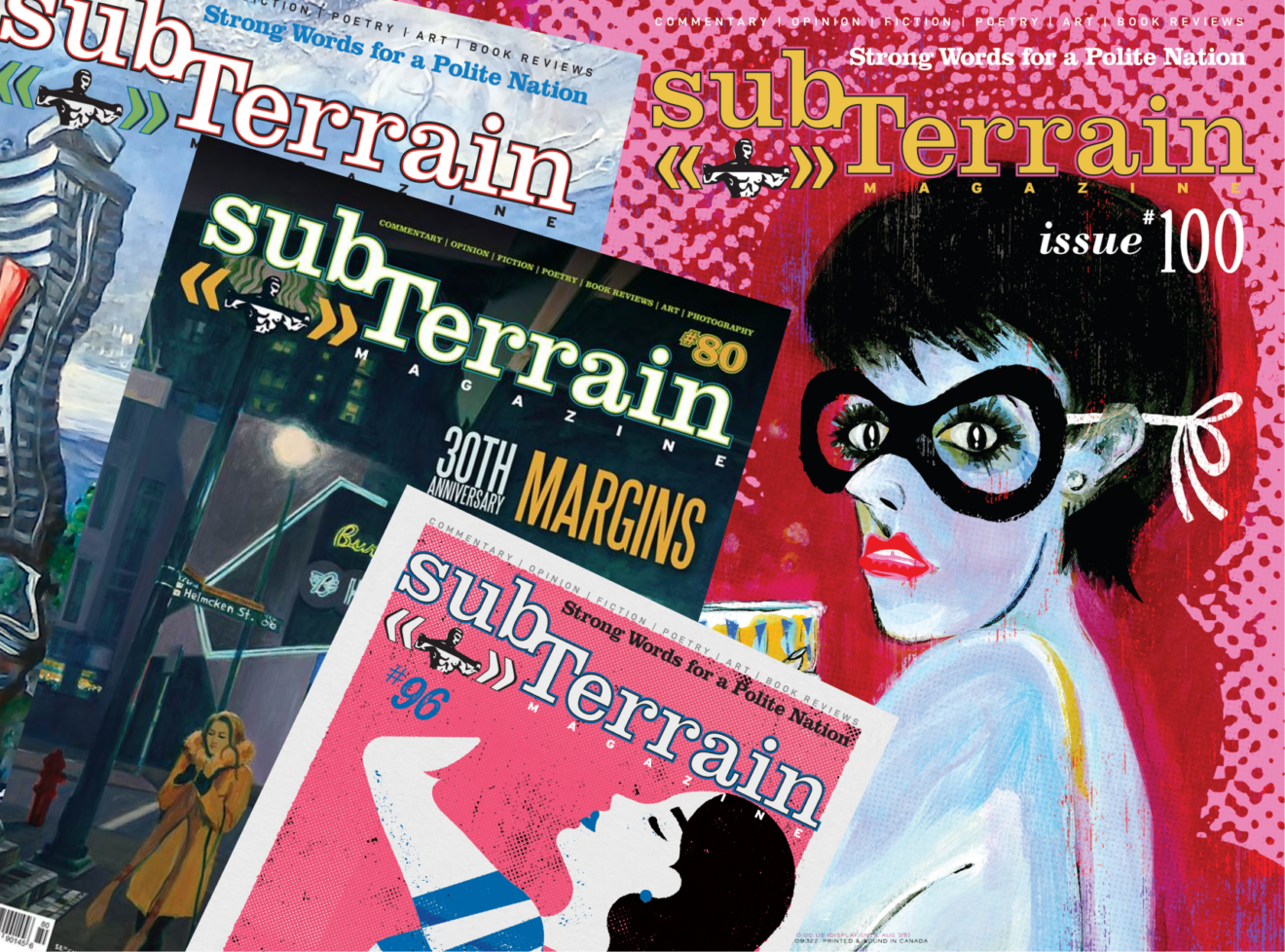
To celebrate our province’s vibrant literary landscape, BC Creates is spotlighting subTerrain, a magazine based in East Vancouver that publishes 3 issues per year fusing fiction, poetry, photography and graphic illustration from uprising Canadian, U.S. & International writers and artists.
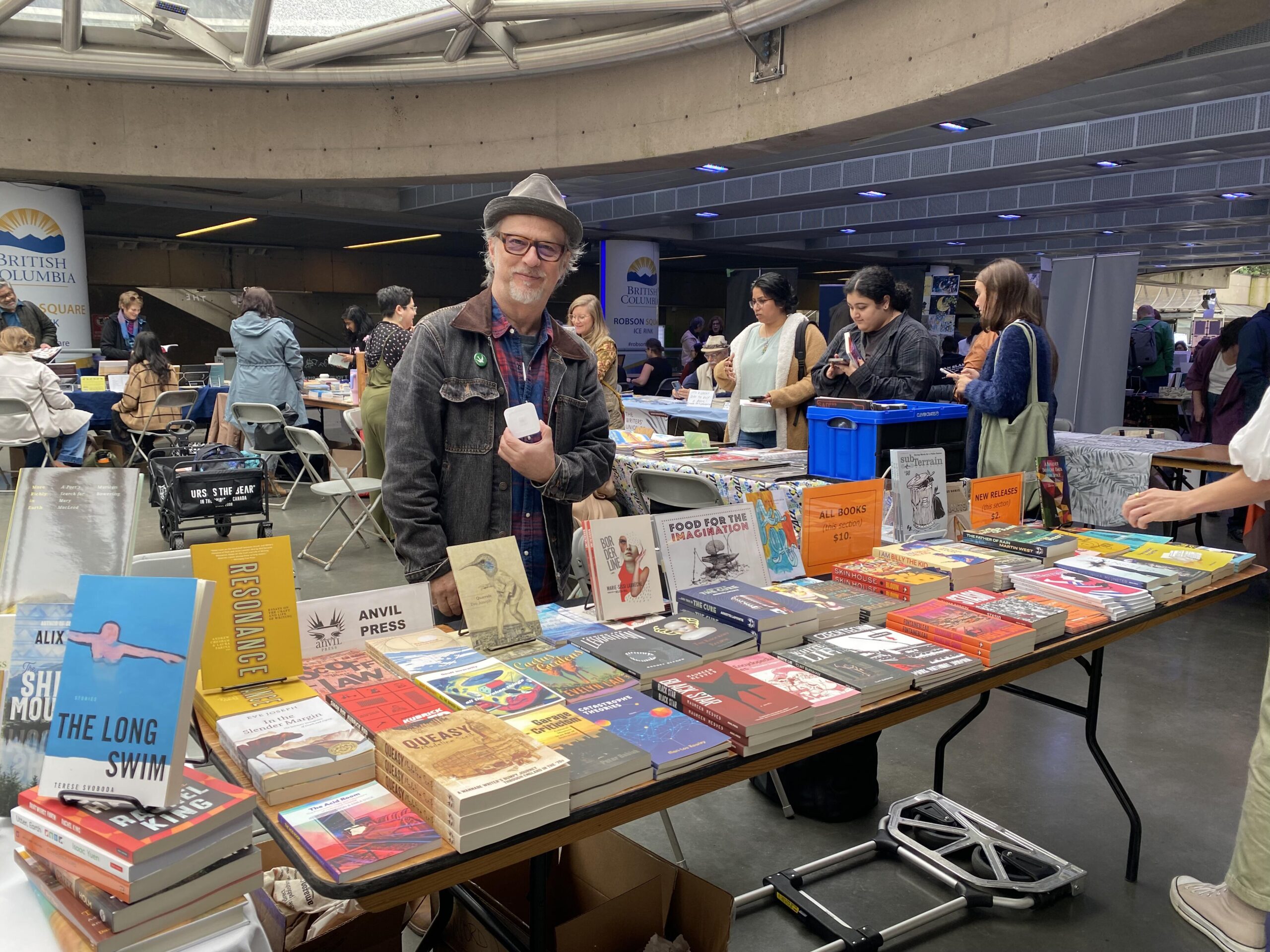
subTerrain editor-in-chief Brian Kaufman
About subTerrain Magazine
subTerrain Magazine began more than 30 years ago at the kitchen table of its publisher and editor-in-chief, Brian Kaufman. Inspired by zines and literary magazines, Kaufman wanted to create a publication shaped by street-level creativity rather than academic convention, something that would truly reflect and speak to its readers. A scrappy, hands-on operation, subTerrain’s first issues were printed on a basic press, bound and trimmed by hand, with manually cropped photos. This was 1988, before computer layout programs and the widespread access to design that we’ve grown accustomed to these days.
From early on to current times, this hands-on, grassroots approach has set subTerrain apart and led it to becoming one of B.C.’s most enduring independent literary magazines. Over the years, it has weathered industry upheavals, from distributor bankruptcies, to the rise of digital, and the constant pursuit of new readers, all while shaping and being shaped by Vancouver’s literary scene. There is no shortage of great writing in our province and subTerrain proves it by championing bold, unconventional voices, often publishing work that might not find (or might not necessarily want) a home in more commercially driven outlets. It is an authentic, unique, and spirited publication, always true to its ethos and roots.
Readers can explore over 100 back issues, discover provocative ideas and striking artwork in the current Winter 2025 issue, and look ahead to the Spring 2026 issue launching this June. For writers, submissions for the Winter General Issue (#105) open June 12, 2026, with the Lush Triumphant Literary Awards Contest closing soon on June 1.
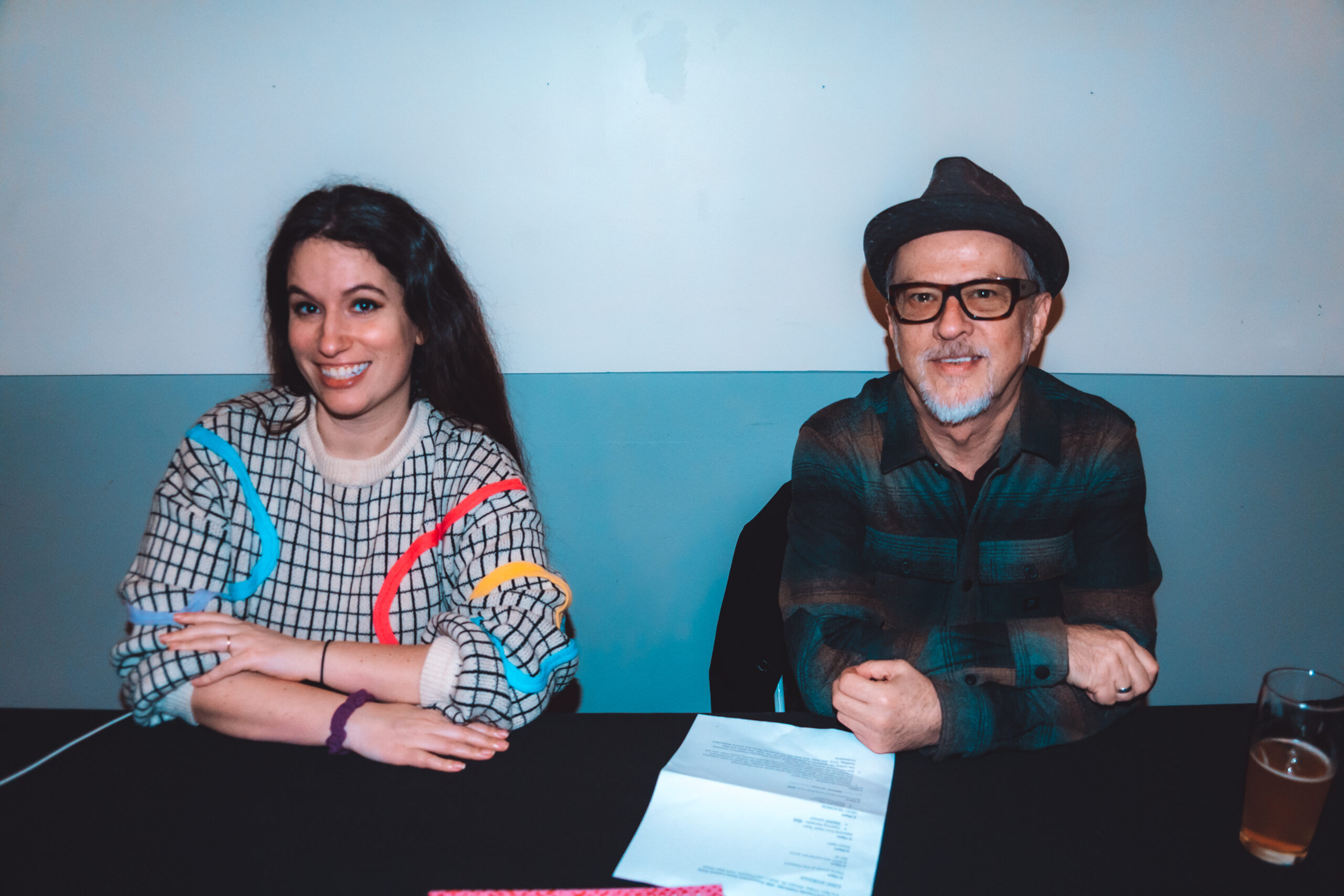
Jessica Key and Brian Kaufman at the Geist 35th anniversary issue launch with subTerrain and EVENT. Image credit: Matt Sawatzky.
Q&A with Jessica Key, Managing Editor
To get a sense of the work that goes on behind the scenes of subTerrain, we spoke with Jessica Key, the magazine’s Managing Director. Jessica is a queer, disabled arts administrator, and has been working at subTerrain for more than nine years. She has previously worked with Iceland Writers Retreat, the Vancouver International Burlesque Festival, and assisted many arts organizations with editorial, marketing, and writing. She has a Masters of Publishing from Simon Fraser University, and a Bachelor of Arts in Creative Writing from Vancouver Island University, where she was the Managing Editor of the school’s literary magazine Portal. She served as the chair of the board of directors for the Magazine Association of British Columbia for many years.
What was your first encounter with subTerrain, and what drew you to the magazine’s voice and ethos?
I think I encountered subTerrain the same way most folks might—on the shelf at a bookstore. I was a seventeen-year-old, fresh undergrad who had just been introduced to the concept of literary magazines and I was checking out any of the B.C.-based options that Chapters Nanaimo had in stock. subTerrain immediately jumped out because of how bold the cover and design aesthetic was, and I loved the tagline “Strong Words for a Polite Nation”. When I flipped through it, the mix of writing was eclectic, provocative, and progressive. I bought a copy of it that day, and it ended up being the first literary magazine I ever subscribed to. It’s sometimes still a bit surreal to think that I’ve now been working here for the last nine years.
How do you describe subTerrain’s place within the Canadian and international literary and artistic landscape today?
We’re lucky to be amongst such fine literary company here in Canada. The way we and our colleagues work together and support each other is quite incredible (I highly recommend any literary enthusiasts check out the excellent work of the Literary Magazines Canada Collective), while all maintaining such specific and unique voices, aesthetics, and outlooks on the literary landscape.
At subTerrain, we work with a different artist or illustrator on every issue while still maintaining a cohesive look that is distinctively “us.” We publish short fiction, poetry, creative non-fiction, essays, excerpts and book reviews, all of which feel subTerrain-ean. I think our aesthetic sensibility and our dedication to promoting the broader literary community through publishing book reviews every issue in a time when fewer print review outlets remain is particularly standout.
The magazine proudly embraces being “sometimes SUBCONSCIOUS, often in-SUBORDINATE, but never SUBMISSIVE.” How does that mantra show up in editorial decisions?
I think that we are interested in work that is thought-provoking, takes a point-of-view, engages with the world/current events or even just the self. I do think we are very interested in experimental work, but that can sometimes be misconstrued as inaccessible.
subTerrain alternates between general issues and themed ones, such as Dreams, Trash, or Disinformation to name only a few. How do themed issues emerge or take shape, and do they tend to draw different kinds of contributors or creative risks than general issues?
The themed issues can be so interesting! Sometimes our themed issues are the ones with the highest submissions of the entire year (our Guilt issue this year received double the submissions of our Spring general issue, and last year’s Dreams issue set a submission record). We aim to come up with themes that encourage multiple and/or different types of interpretations, so we don’t end up with 300+ very similar submissions. It can also be interesting to see sub-themes emerge as we read the submissions, or even as we put the issue together (clearly sometimes certain issues/things are part of our collective consciousness when we’re reading and/or writing).
When you’re reading submissions, what signals that a piece truly belongs in the magazine, especially when the work is experimental or boundary‑pushing?
If it feels new, exciting, and if I can’t picture it in another literary magazine. Sometimes I really love a piece, but I can also immediately picture it in the pages of one of our colleagues, which shifts it into the “Maybe” pile for me when we’re getting hundreds of submissions per issue.
Is there a piece, image, or moment from a past issue that still feels especially “insubordinate” to you?
It’s not insubordinate in form perhaps, but in content. I always remember Amber Dawn’s memoir piece “The One Thing That Could Have Kept Me in Fort Erie, Ontario” from issue #64 (one of the earlier issues I read). Queerness, carnies, and great writing tend to stick with me I guess!
What do you hope readers experience when they move through a subTerrain issue from cover to cover?
I hope they do read it cover-to-cover!
One of the most thrilling parts of reading submissions as an editor is discovering a new (or new-to-me) writers’ work that I love, so I hope that readers of the magazine are having that same experience when reading subTerrain.
I also hope they’re impacted by the work of our illustrators/artists and our designer’s care in pairing pieces throughout the magazine. As much as I truly am a staunch advocate for the improved accessibility (in multiple ways) of our new website, I still prefer to read in print, and the physical object of subTerrain really is something to behold, largely thanks to our incredible Art Director and designer Derek von Essen.
What advice would you offer writers and artists hoping to work with subTerrain, especially those drawn to its more unruly or experimental edges?
This is probably boring advice, but, make sure you read some issues of the magazine! We are pretty accessibly priced, and we also have samples across all genres from every issue available for free online. I truly think this is the best way to get a feel for a magazine prior to submitting to it. I’ve seen a lot of advice online recently about not getting caught consuming more than you create, however, I also staunchly believe that the best writers are readers first.
How do you see subTerrain continuing to evolve while staying true to its insubordinate roots?
subTerrain has never stopped evolving. One of the coolest things about our recent website revamp and digitization project has been looking back at our early issues and seeing how much we have changed and grown already. I think that’s a big part of the challenge for any arts organization; continued evolution while staying true to our roots is crucial—we don’t want to betray our readers and writers, but we also need to make sure we stay afloat (and I’m not talking about pivoting to using AI or anything like that). It’s been that way since the beginning.
I think one of the great benefits of being an independent magazine is that we don’t have any institutions to answer to, so we get to make artistic choices that fit only our ethos and serve our readership. It means balancing experimental with accessible, and making sure that we are making room for equity-deserving voices to tell their stories on our pages.
In 2025 we celebrated 100 issues of subTerrain, and I can’t wait to see how much we evolve over the next 100.