We live in British Columbia, which means we already know what the rest of the world is often fooled by: B.C. rarely plays itself.
For more than a century, the province has stood in for just about everywhere: New York City, San Francisco, Seattle, small-town America, distant islands, foreign countries, alien planets, and post-apocalyptic wastelands. With seven distinct filming regions, dramatic seasonal changes, mild weather, and some of the world’s most experienced crews, British Columbia has earned bragging rights for its chameleon features, while retaining its unmistakable personality. It can be funny, romantic, thrilling, comforting, or larger than life, often all within the same production.
But there is one genre where transformation isn’t entirely necessary. For all of its versatility, B.C. doesn’t need to be asked twice to be eerie.
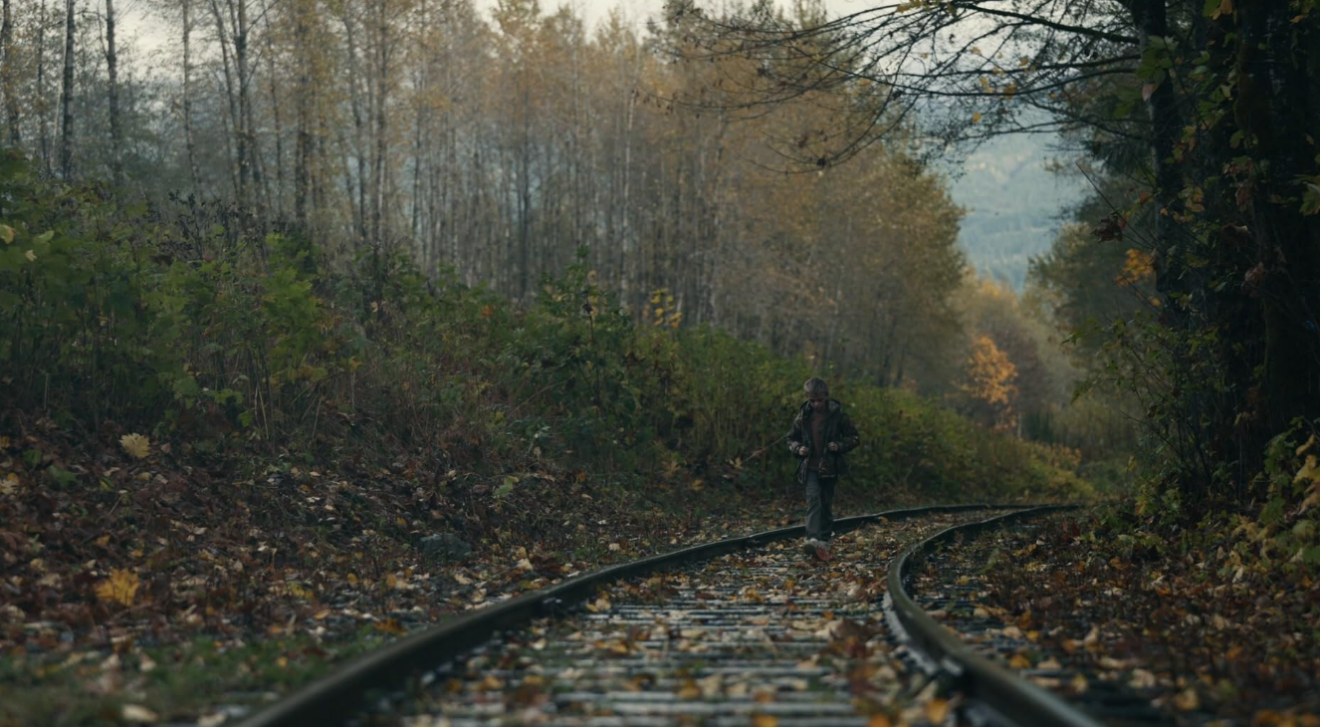
No matter the season, British Columbia has a beauty that may hide sharp teeth, yet in the West Coast fall it shrugs on a coat of mystery. Forests turn denser, foggier, rivers run faster, lakes swell with rain, mountain peaks sit vigilant and undisturbed by growing snowcaps. Small towns take on a timeless autumnal charm. The cityscape’s edges soften with drizzle and lend their melancholy to routines. Heritage homes keep their secrets, shelter figures behind curtains. The entire province spins webs of mystery even in broad daylight, creating perfect settings for scary stories to tell by the campfire.
It’s little wonder, then, that filmmakers and audiences alike can’t get enough of B.C.’s roles in uncanny, supernatural, apocalyptic, and terrifying stories. The province looks the part and provides the atmosphere, tension, and sense of possibility that horror thrives on. Whether the danger comes from something lurking in the wilderness, hiding in your neighbourhood, haunting an old manor, or emerging after the end of the world, British Columbia already speaks the genre’s language.
Here are five types of horror that B.C. does naturally:
Folk and wilderness horror
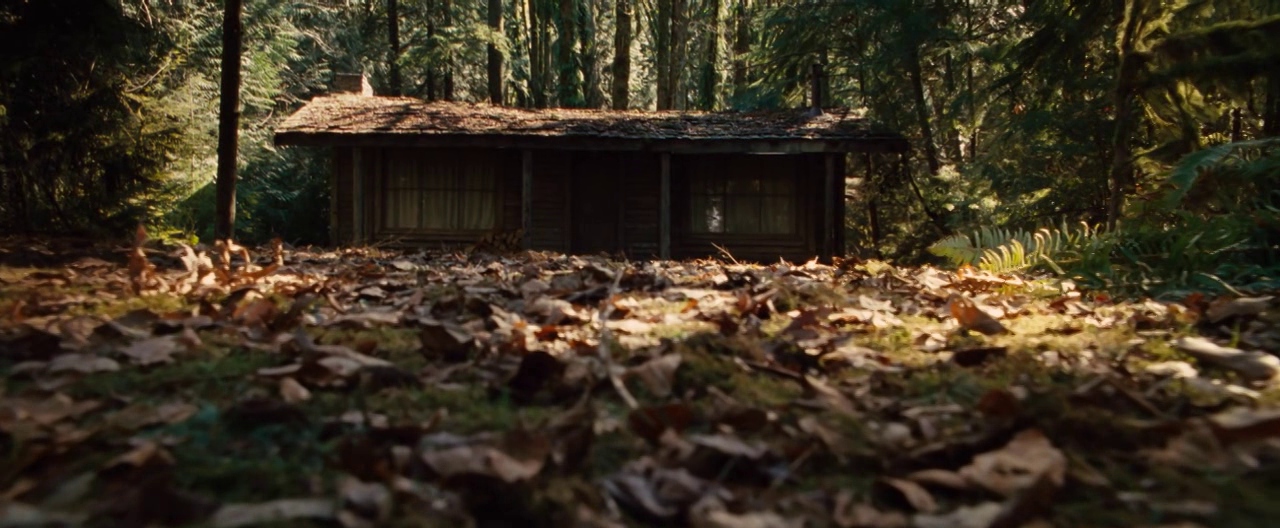
Still from THE CABIN IN THE WOODS (2011)
B.C.’s landscapes were forged by time over millennia, so old and vast it’s beyond modern comprehension. The sense of place (and of displacement) is strongest here, where the old and new can clash, where danger comes from history and mythology. Here is it clearest that the natural world possesses its own logic, a perfect setting for stories that show us how small civilization is in comparison to the world around it.
That tension has made British Columbia a natural home for folk and wilderness horror. Filmmakers looking for secluded communities, ancient forces, and landscapes that exist on their own terms have repeatedly found them here. The Gulf Islands doubled as the isolated pagan enclave in THE WICKER MAN (2005), while more recently “Yaga” imbued the vistas of Victoria and Saanich with Slavic folklore. Also on Vancouver Island, HUNTING MATTEW NICHOLS draws on the real-world reputation of the island as a space where mysteries naturally occur. ANTLERS and HORNS visited Alouette Lake, Hope, Squamish, Port Moody, and more, and turned them into communities haunted by ancient beings. Few films have captured this unease more memorably than THE CABIN IN THE WOODS, which lodged one of horror’s oldest fears deep in our collective imagination: things are never what they seem. A weekend getaway to a remote cabin, set on the picturesque Sunshine Coast, and surrounded by dense forest shot in the Coquihalla Canyon Provincial Park, has raised a generation to be wary of venturing too far into the wild. Most recently, TEENAGE SEX AND DEATH AT CAMP MIASMA cast Camp Barnard and southern Vancouver Island in the title role.
Small town and suburban horror
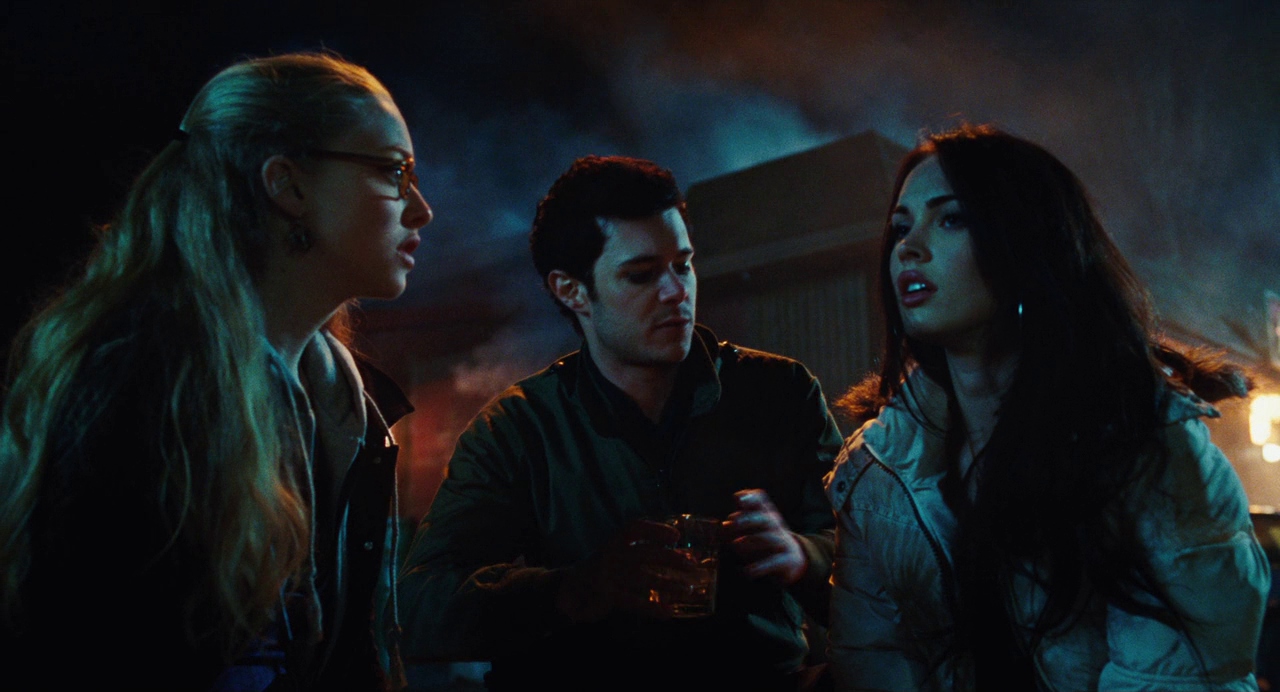
Still from JENNIFER’S BODY (2009)
Sometimes horror lives behind a white picket fence, in your neighbourhood, perhaps next door. Small-town and suburban horror feeds on the unsettling reality that the places meant to feel safest can be all too easy to corrupt. Fort Langley, Steveston, New Westminster, countless suburban neighbourhoods across Metro Vancouver posses the uncanny versatility of turning the family movie into suburban horror. Their idyllic, nostalgic, and quaint aesthetics are perfect for filmmakers who can’t wait to reveal the darkness simmering underneath the familiar.
In SUMMER OF ’84, the cul-de-sacs of Langley and the waterfront of Rocky Point Park in Port Moody embodied suburban paranoia. BATES MOTEL transformed Aldergrove, Steveston, Coquitlam, and Horseshoe Bay into picture-perfect White Pine Bay, build on buried trauma. JENNIFER’S BODY created terror in the rhythms of teenage life with memorable sequences at Langley Secondary School, Robert Burnaby Park, and Sasamat Lake. Mike Flanagan’s “Carrie” continues that tradition with sequences shot across the Lower Mainland. More recently, HERETIC showed us unspeakable things hiding behind the closed door of an unassuming house.
Almost entirely shot in B.C., the FINAL DESTINATION franchise takes the cruelest approach with its full understanding the intersection of chance, fate, and our everyday routines. Filmed extensively throughout the Lower Mainland, from Vancouver International Airport, Lions Gate Bridge, Playland at the PNE, to residential neighbourhoods in Vancouver and Ladner, it turned every setting into the most dangerous playground.
Gothic horror
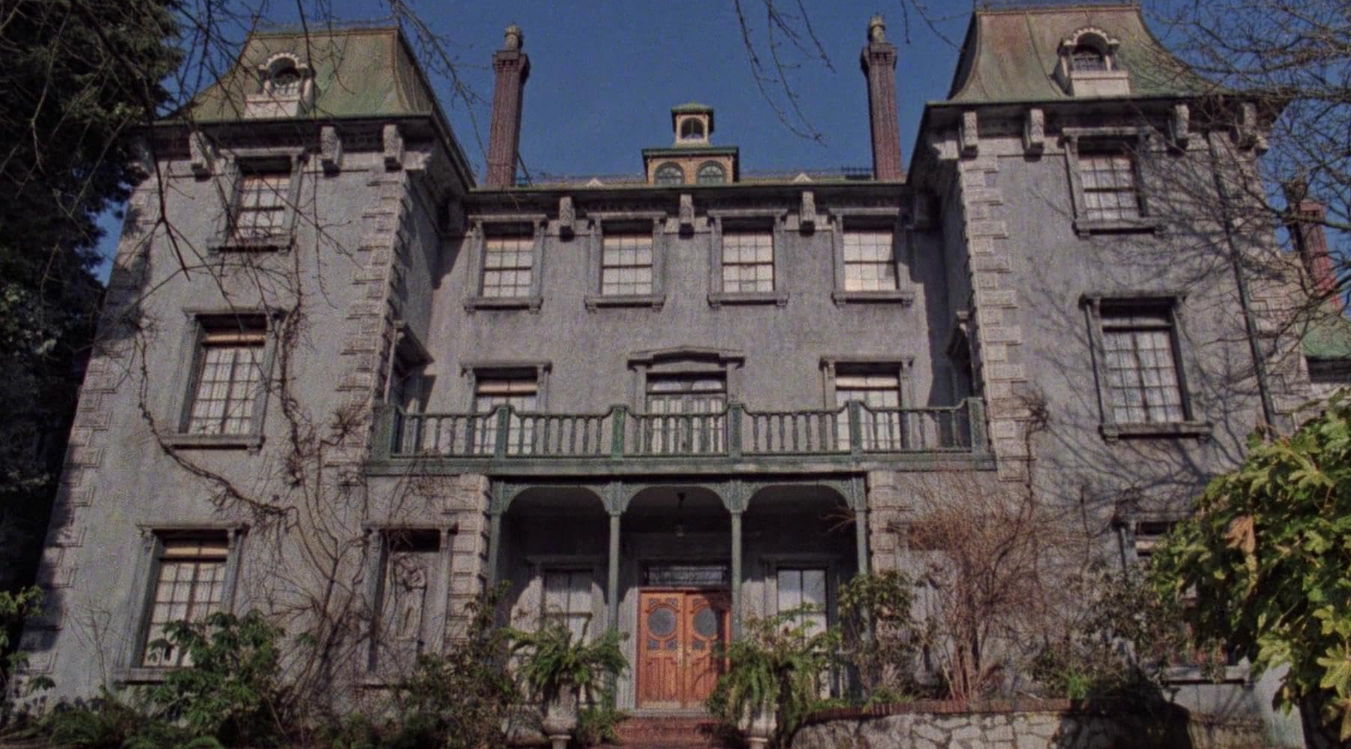
Hatley Castle in THE CHANGELING (1980)
Gothic is horror’s romantic, dread-filled, psychologically tormented subgenre that calls to mind the classic gothic romance book covers with imposing architecture, brooding coastlines, and a loneliness that weighs heavy. Beauty and dreed occupy the same space.
The province’s most famous gothic star may be Hatley Castle in Colwood, which has appeared in productions ranging from THE HAUNTING OF BLY MANOR to supernatural dramas like THE CHANGELING that lean into its grand, haunted silhouette. Nearby, Victoria’s historic neighbourhoods and Craigdarroch Castle offer the kind of ornate architecture gothic horror fans have adored for centuries. On screen, these locations become places where old grief lingers in the walls and every locked door will eventually be pried open.
Even when the architecture takes a back seat, British Columbia’s landscapes carry a distinctly gothic sensibility. “Midnight Mass” found power in isolated coastal life, while the TWILIGHT sequels’ world helped revive a modern fascination with the gothic romance. The province’s coastline, islands, and heritage homes are uniquely suited to stories where longing, loss, and supernatural forces are hopelessly intertwined.
Apocalyptic horror and creature features
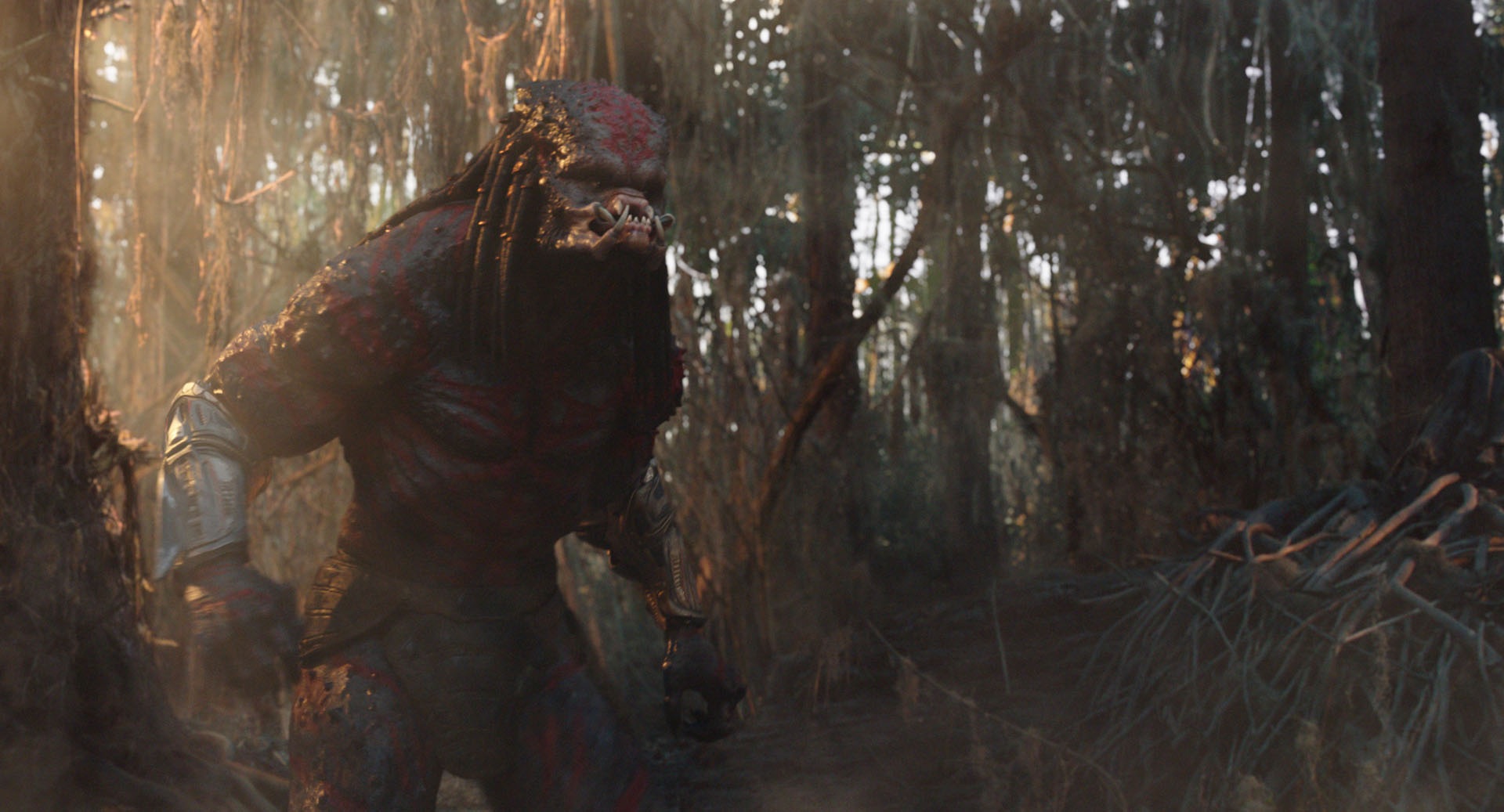
Still from THE PREDATOR (2018)
Sometimes, a story calls for a world under siege, by monsters, aliens, ancient beings, or humanity’s own mistakes. It may be the end of the world as we know it, or it may be something that was quietly coexisting with us that reveals itself. This kind of horror is more concerned with collective fears than private ones, ones that cannot be confined and cannot be reasoned with. Creature features and apocalyptic horror force characters to confront the limits of human control, asking us to consider how far we’d be willing to go to survive.
The most apt demonstration is THE LAST OF US, which turned locations across British Columbia into a society reclaimed by nature. The production convincingly disguised a bustling city into a world after the collapse of civilization. Rather than endorsing the spectacle of destruction, it imagines what happens long after the systems we depend on are gone. B.C. became a landscape of survivors, abandoned infrastructure, and communities trying to adapt and rebuild. Though it heavily features the violent threat of the infected, it’s also scary through the absence of familiarity and comfort, adding a quiet sadness to the story.
Meanwhile, B.C. has also provided ideal habitats for creatures of all kinds. ANTLERS drew on the forests of Hope, Squamish, and Alouette Lake to bring a terrifying folkloric predator to life, while THE PREDATOR used the dense forests of the Lower Mainland as a hunting ground for one of science fiction horror’s most formidable monsters. B.C.’s mystery and ability to stand in for anywhere in the world makes it the perfect place for any monster-of-the-week, and this in turn raises a larger question: what if the monster isn’t just dangerous, but fundamentally unknowable?
Cosmic, supernatural, and unexplained horror
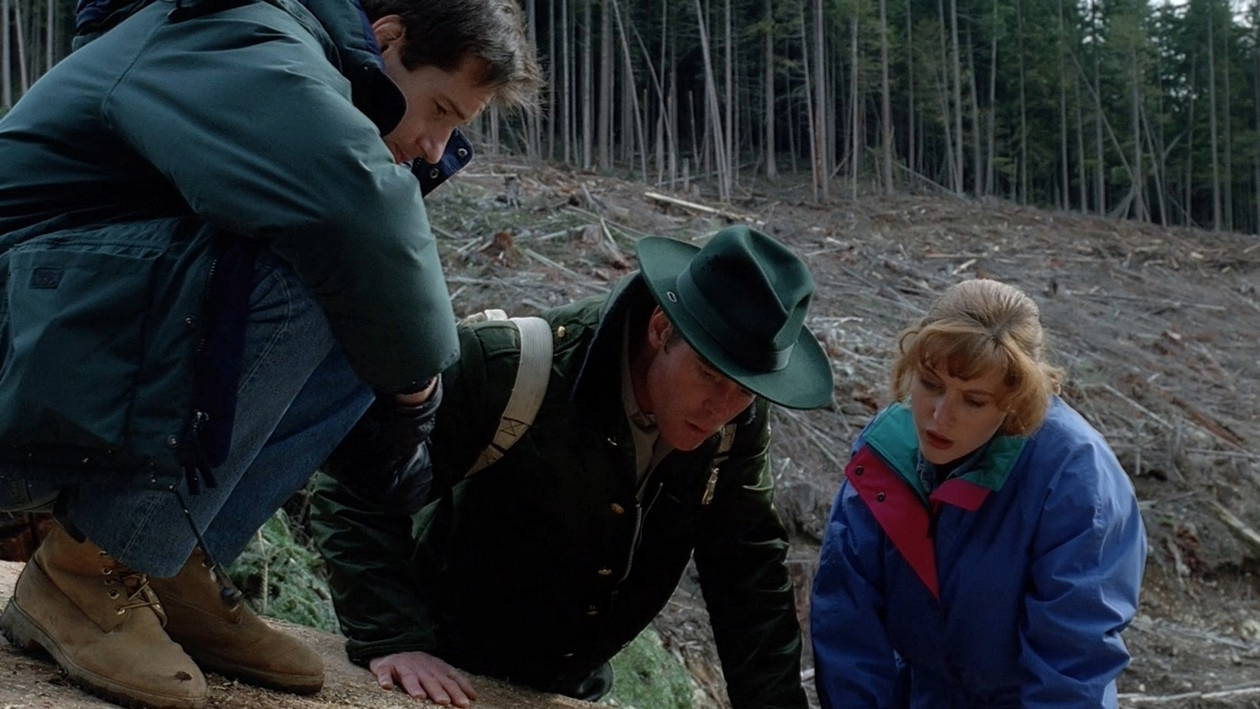
Still from “The X-Files” Season 1, Episode 20 “Darkness Falls”
Two productions shaped British Columbia’s horror identity and trained generations of crew. “The X-Files” and “Supernatural” taught us that there’s more to the world than meets the eye, and the most unassuming places can harbour danger and evil.
For six seasons, “The X-Files” situated government conspiracies, cryptids, ghosts, aliens, monsters, and every other manner of unexplained phenomenon throughout British Columbia. The show’s signature look, all mist, evergreens, and overcast skies, became the quintessential horror comfort watch and introduced viewers around the world to the eerie beauty of the Pacific Northwest. It defined what modern supernatural television looked like.
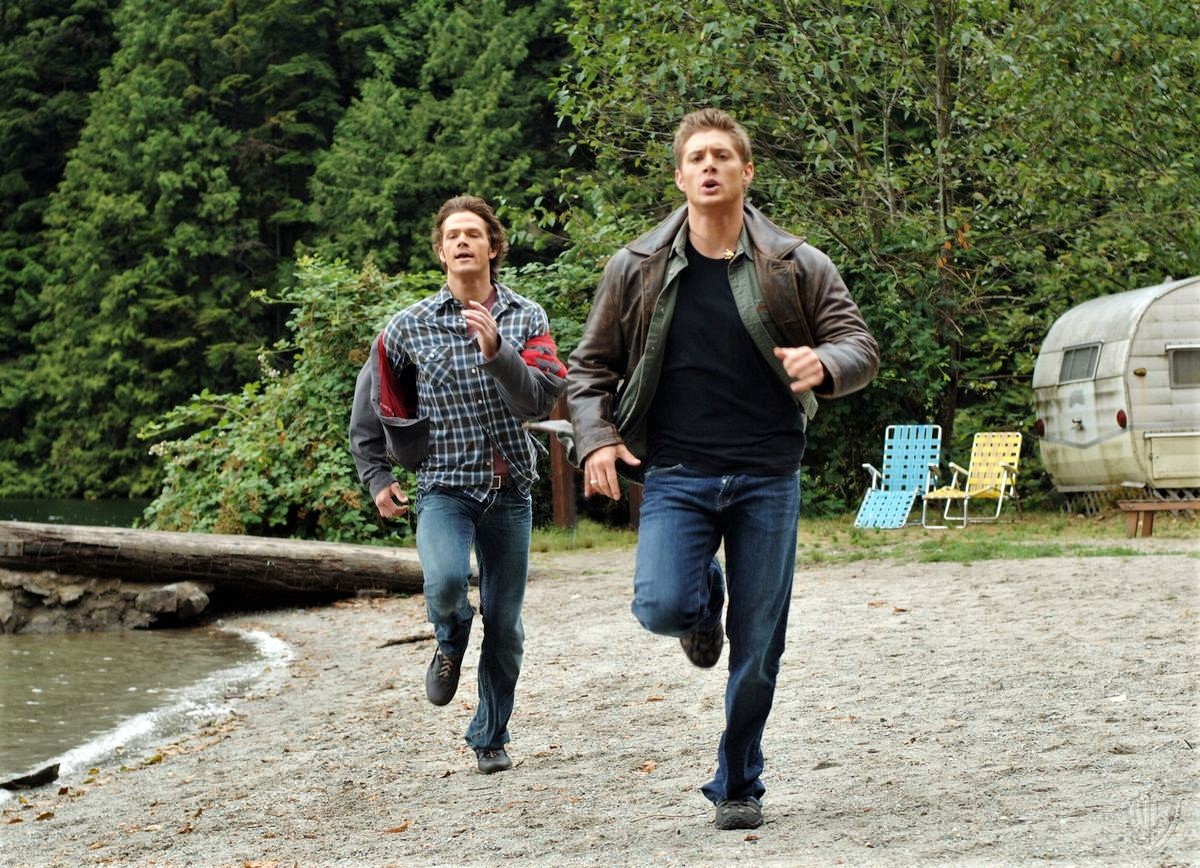
Still from “Supernatural” Season 1, Episode 3 “Dead in the Water”
A decade later, “Supernatural” found its home in B.C. and spent 15 seasons on the highways, farms, in the motels, forests, and small towns across the province. B.C. once again became hunting grounds for demons, vengeful spirits, urban legends, and creatures pulled from folklore.
Together, the two series cemented British Columbia’s reputation as the perfect home for the strange and unexplained. They understood something horror filmmakers continue to return to: in B.C., the supernatural never feels very far away. A lonely stretch of highway, a roadside diner, an empty forest service road, a town tucked between mountains. At every turn, there’s a mystery.
If you can’t get enough of B.C.’s brooding presence and want Halloween to feel closer than ever, check out our Letterboxd list of B.C.-shot horror to find your next watch.
Cover image: still from ANTLERS (2021).