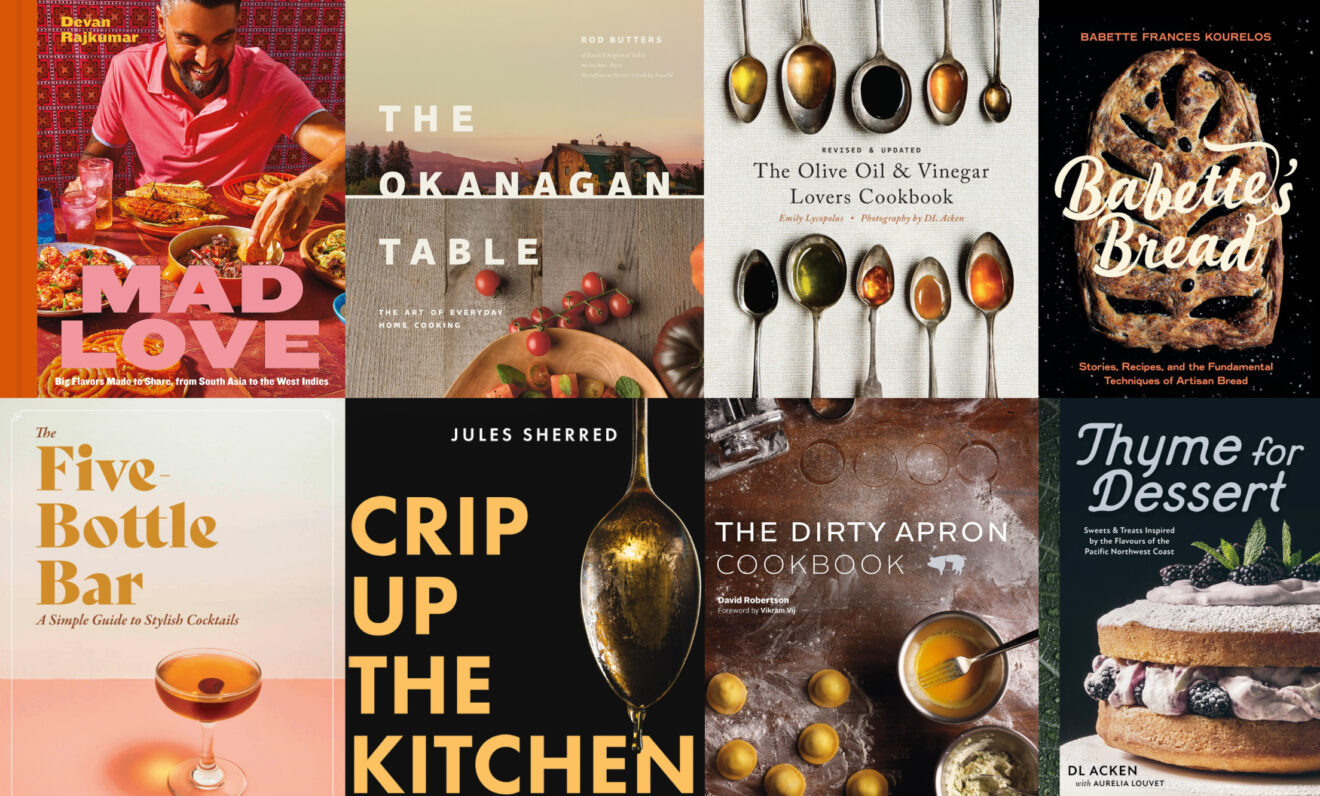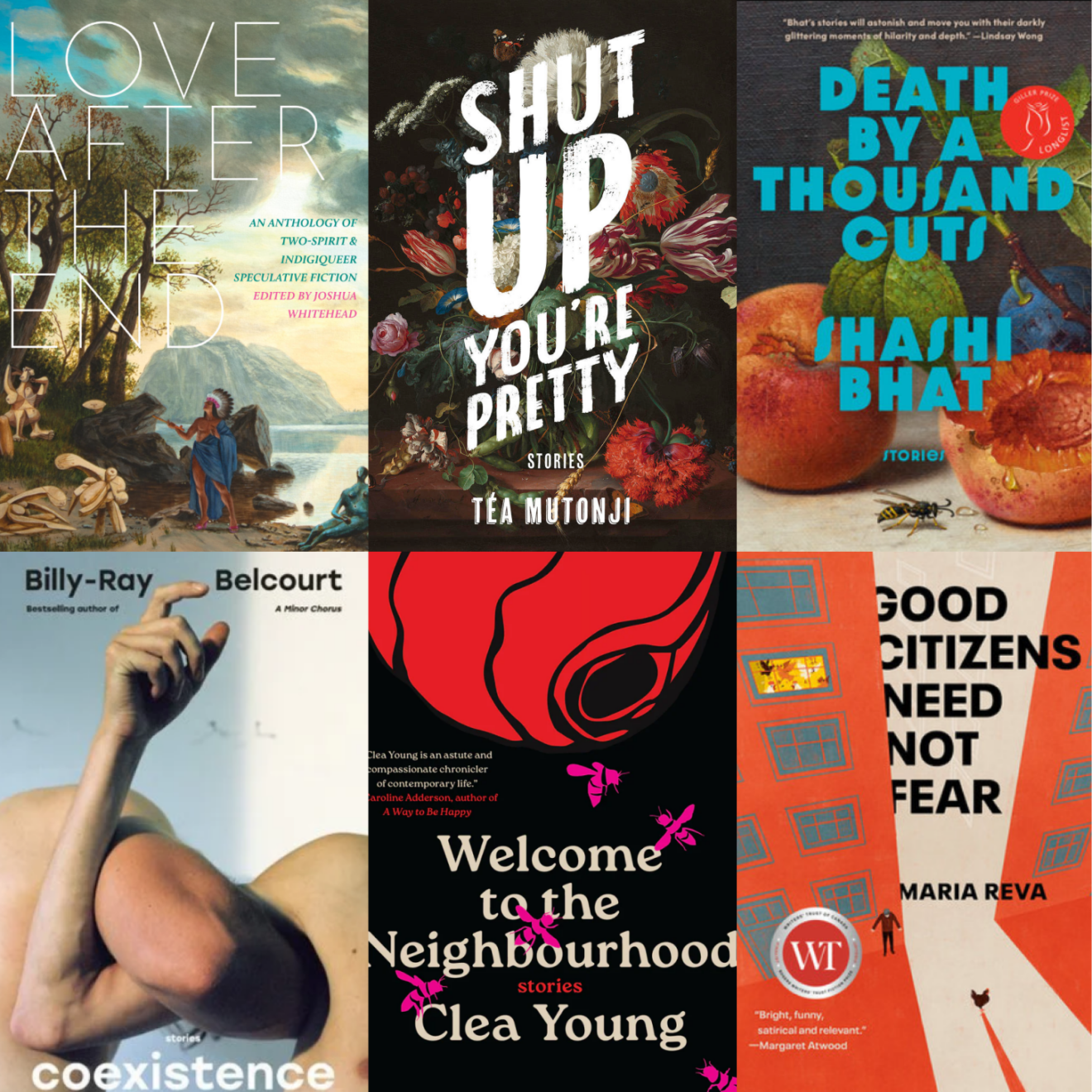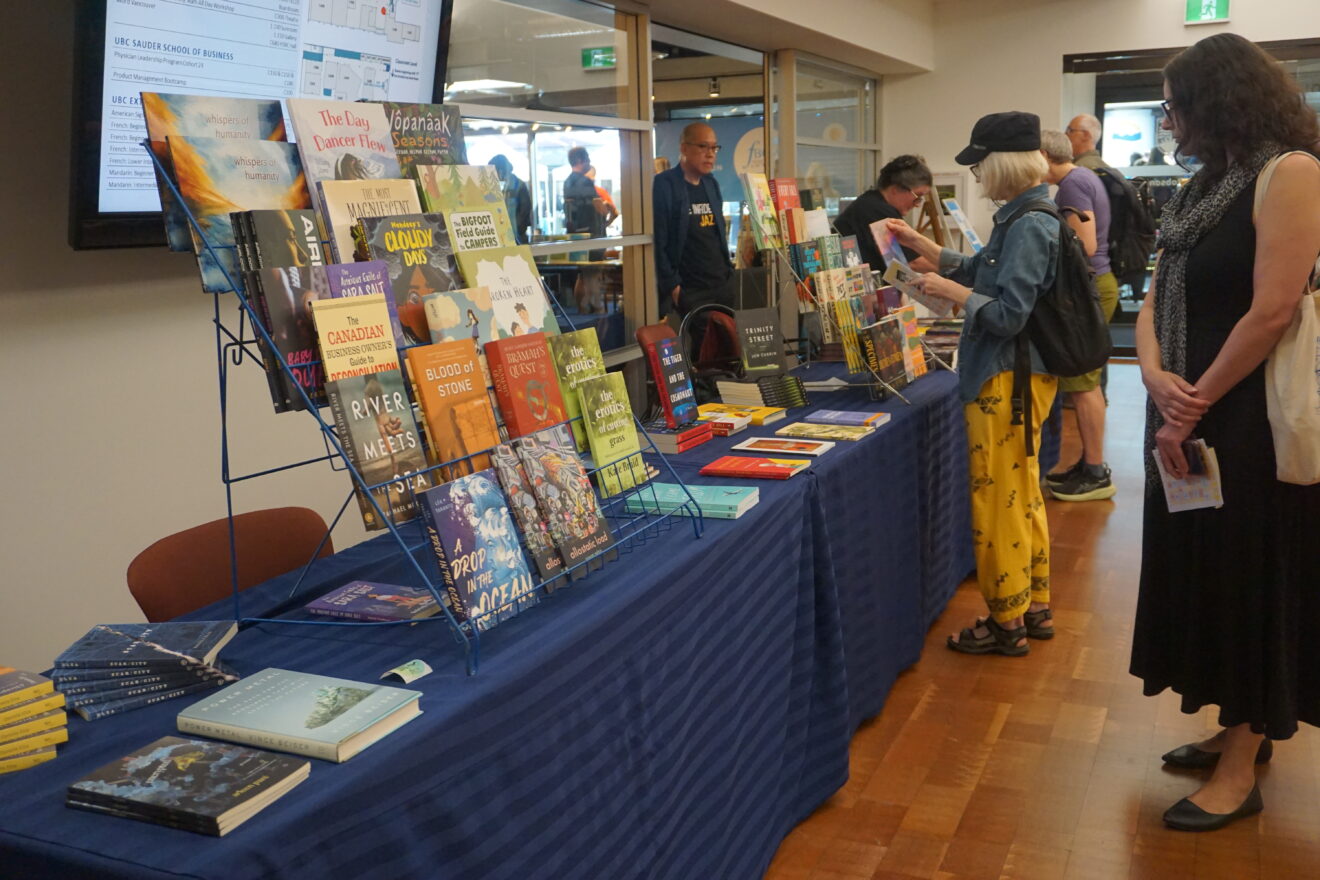
For more than three decades, Word Vancouver has brought together readers, writers, publishers, and literary enthusiasts to celebrate the power of storytelling and community. As Western Canada’s largest free literary festival, the event creates opportunities for connection, discovery, inspiration, and creativity through a diverse program of readings, workshops, and more.
Returning September 10 to 28, 2026, this year’s festival embraces the theme of finding joy through creativity. “With the state of the world we wanted to lean into humanity by highlighting that there is always joy in creativity, from children’s literature to poetry, plays, and novels. That spark of wellbeing and peace connects us all,” says Executive Director Bonnie Nish.
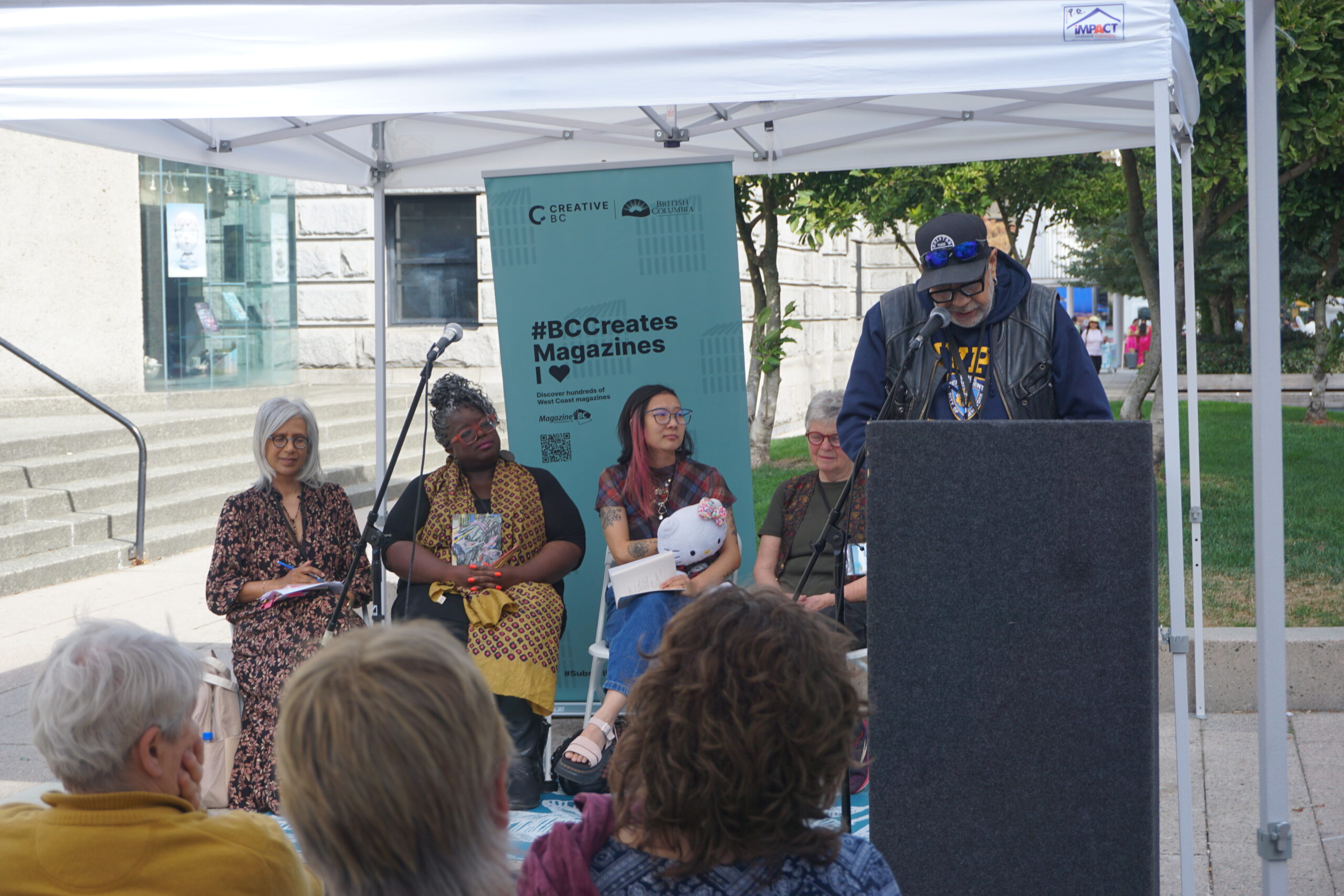
Word Vancouver 2025
Word Vancouver’s signature main festival day will take place on September 19 at UBC Robson Square, with 40+ events to choose from for both readers and writers, ranging from professional development, to creative outlet, community celebrations, readings, and everything in between. Here are just a few of the main day’s events attendees can look forward to:
- Pitch Perfect: Co-presented with MagsBC, this panel discussion will help you refine how you’re pitching or learn how to make your submission stand out in the overflowing slush pile.
- Short Can Be Sweet: Join creative non-fiction writer Taslim Jaffer in a generative writing workshop where she will provide prompts and examples to help you get stories down on the page.
- 30 Years of Poetry in Transit: Join Books BC as we celebrate 30 years of bringing poetry to your daily TransLink ride!
- The Shape of Suspicion: Crime and Consequence: Join two acclaimed Canadian crime writers for an afternoon of suspense, wit, and intrigue.
Word Vancouver 2025
Guided by guest Indigenous curator Frances Koncan and guest 2SLGBTQIA+ curator Nicola Harwood, the program highlights an intergenerational group of B.C. writers whose work explores identity, humour, and the shared human experience. Koncan, an Anishinaabe and Slovene playwright originally from Couchiching First Nation and now based in Vancouver, is the author of acclaimed plays including Women of the Fur Trade and zahgidiwin/love, and serves as an Assistant Professor at the University of British Columbia. Harwood is an interdisciplinary artist and writer whose plays, performances, and installation projects have been produced and exhibited across Canada, Europe, and the United States.
We spoke with Koncan and Harwood about their approach to this year’s programming, the voices they wanted to highlight, and the role literary spaces play in fostering connection and belonging.
What drew you to the opportunity to curate programming for Word Vancouver, and what excites you most about taking on this role?
FK: I moved to Vancouver from Winnipeg in August 2023, with few community connections. The opportunity to serve as a guest curator for Word Vancouver excited me as it was an opportunity to participate in a community outside of my theatre bubble, to meet new writers and artists, and to introduce some of my favourite Indigenous and Metis writers and artists to a wider community as well.
How has your own experience as a writer and artist influenced the kinds of discussions you wanted to bring to the festival?
NH: I am interested in writing as an art form and also as a tool of resistance and empowerment. The political nature of literary works, their ability to educate, inform, inspire and speak truth to power.
FK: My primary area of practice is playwriting, and that’s also the primary network of writers that I’m connected with, so it made sense to explore within that group to find local writers who could talk about a kind of writing that can sometimes be overlooked in more literary circles. As an Anishinaabekwe writer, I’m always thinking of how that culture has roots in oral storytelling rather than written words, and how playwriting is a unique blend of both the performance of oral storytelling as well as the literary joy of language, so I’m really excited to talk with other Indigenous artists about how their own inheritance shapes their storytelling!
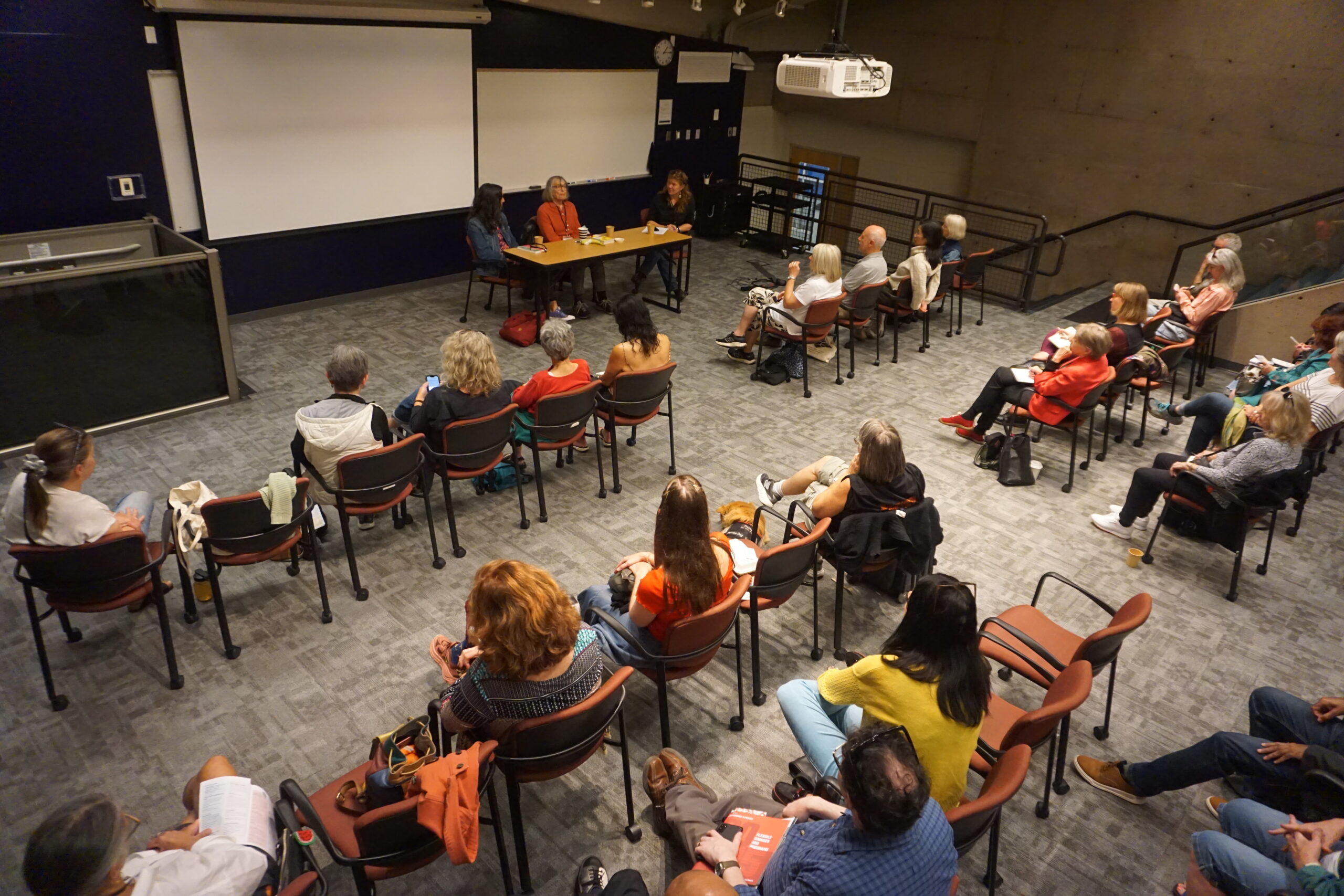
Word Vancouver 2025
What were you looking for when selecting writers, panelists, and topics for this year’s program?
NH: A range of age, gender orientation, (dis)ability and racial cultural specificity.
FK: One important (and probably annoying) thing about me is that I love to ask questions. When I read a book, watch a movie, or see a play, my inner monologue is constantly asking questions about the performances, characters, story, and production decisions. Aside from the practical logistics of ensuring artists were able to attend the in-person events, my guiding curatorial question was honestly just, “Who do I want to talk to? Ask questions of? Learn from?”
How do you balance showcasing established writers while creating opportunities for emerging voices?
NH: One of the panels I selected purposefully brings together elder and youth writers for an inter generational conversation.
FK: The definition of established and emerging has always confused and confounded me a little bit, especially in the theatre world, where roles often blur and a writer may also be an actor or also a director or also a sound designer. With playwriting specifically, a published script is nice but not necessarily as prioritized as a production, and a production may or may not be documented in a way that other people can access once it is over. I was less interested in publications and more interested in the lived experience of the artists.
Both of your programs emphasize connection and community. What does a strong literary community look like to you?
NH: A strong literary community does more than select to showcase its more visible members.
FK: A community that shows up in ways and moments that are accessible for them; a community that navigates conflict with good intentions; a community that is all on the same team!