What does it take to keep a music festival alive for more than 20 years, let alone grow it into the longest-running event of its kind in North America? For the Victoria Ska & Reggae Festival, the answer lies in equal parts passion, community, and a willingness to evolve without losing sight of its roots.
Launched in 2000, the Victoria Ska & Reggae Festival began as a scrappy, one-day showcase riding the tail end of the ’90s ska revival in Victoria, B.C. More than two decades later, it has grown into an internationally recognized cultural event and an enduring celebration of rhythm, resistance, and community. Behind that evolution is a story of persistence, grassroots organizing, and an unwavering belief in the power of music to bring people together.
Guided by the Victoria BC Ska & Reggae Society, a volunteer-driven nonprofit dedicated to education, connection, and cultural diversity, the festival has become more than an annual event. It’s a year-round effort to create space for discovery, collaboration, and community engagement. Along the way, it has navigated shifting musical trends, financial uncertainty, and industry gatekeeping while remaining deeply grounded in its mission.
Today, the festival’s genre-spanning lineup reflects not only the rich heritage of ska and reggae, but the many musical movements and communities they’ve influenced across the globe. From international legends to emerging artists and local talent, the Victoria Ska & Reggae Festival continues to offer a vital platform where tradition and innovation meet, and where generations of music fans can discover an exciting lineup of artists, year after year.
To understand how the festival has sustained its momentum over more than two decades, we spoke with festival founder Dane Roberts about building the festival from the ground up, its turning points, and the vision that continues to guide it today.
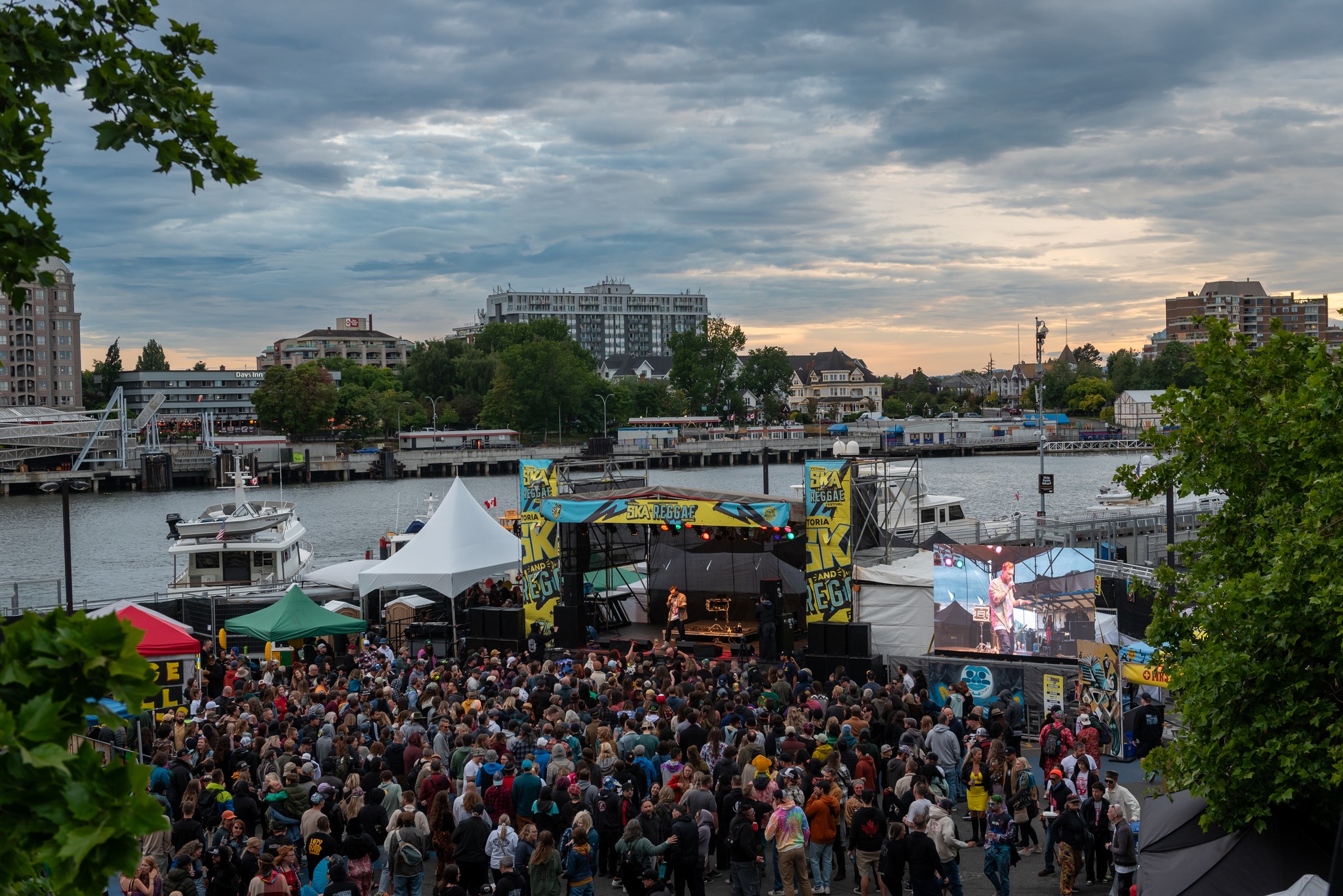
Dub FX at Ship Point, Victoria Ska & Reggae Festival 2025. Photo by Colin Smith.
Can you tell us about the origins of the Victoria Ska & Reggae Festival and how it evolved from its first edition in 2000 to becoming North America’s longest-running festival of its kind?
When I first started the festival, it was based more on third wave ska music, which is a hybrid of 90s-style ska with pop, a little bit of punk and jazz, and some reggae influences. It was right at the tail end of when ska was really popular in the United States, and we were kind of riding that wave.
I had gone to a lot of shows in high school with local punk and ska bands like Pressure Cooker, who were one of the most popular bands in Victoria at the time. I was friends with them because I’d go to all their shows in high school. When they broke up, no one thought they’d get back together, but since I knew them and wanted to go into event planning as a career, I created the Victoria Ska Festival in my last work term at UVic and convinced them to reunite.
It sold out Market Square in August 2000. The festival’s whole budget was about $20,000, and the band played for basically a deli tray and a flight for one of their bandmades coming from Toronto. It was a demonstration of community spirit.
At the time, we didn’t yet have many bands from Jamaica where the genre was originally created. I was 22 when I started the festival, so it took time for our tastes to evolve and for us to have the resources to bring those artists in.
After the first few years, ska fell out of mainstream popularity in North America. A lot of people moved on to indie rock and emo, and ska was seen as out of style. But we didn’t care, we just believed in the music and kept going.
In 2003, we formed the Victoria BC Ska Society as a nonprofit, and by our fifth anniversary in 2004, the festival really started to shift. That’s when we began bringing in artists from Jamaica and building a more international lineup. The growth of the internet (especially MySpace) also helped us connect with artists around the world.
The Victoria BC Ska Society is a volunteer-led non-profit with strong missions around education, cultural diversity, and artistic collaboration. How do these goals shape your festival programming and year-round activities?
The society formed in November 2003. A lot of people who were passionate about the festival wanted to get involved and join the board, but it took time for us to become more formal because our budgets were very limited. Everything was driven by passion for the music. Everyone volunteered a lot of their time, and even I always had another job to support the festival.
It grew steadily year by year. At first, we were getting very small grants, maybe $2,500, and there wasn’t the same support for diverse festivals back then. There was a lot of systemic gatekeeping and more established festivals were prioritized. We also faced skepticism because we were so young. People would ask, “Who are these kids putting this on?” But every year, we proved ourselves.
Financially, we were careful to stay within our means. Sometimes we couldn’t pay ourselves, but we always paid everyone else and covered our costs. There were times when we carried debt for a few years, which was very stressful, but we worked our way out of it and committed to being more sustainable. Everything has been about building slowly and consistently, without overreaching.
Your lineups often span ska, reggae, punk, hip-hop, dub, soul, jazz, and world music. What goes into curating such a diverse mix while staying rooted in Jamaican and Caribbean traditions?
We have a strong creative team with different musical backgrounds. One member is really into punk, another focuses more on Caribbean reggae, and another brings in hip-hop and funk influences. Because all of our tastes are varied but complementary, we’re able to create a really eclectic lineup. Not everyone on the team likes every genre, but that diversity is what makes the programming work.
Personally, my background leans more toward roots reggae, ska, and jazz influences, but I appreciate all of it. The first festival included ska-punk, so that’s always been part of the history as well.
What are some of the most memorable moments you’ve experienced at the festival over the years?
There have been a lot of moments where it felt like the festival was being supported by something bigger than us. For example, there was a time when a major artist, Rocky George from Suicidal Tendencies, was turned away at the border. I thought we had lost him for the show, but then immigration called and said they were overturning the decision because they recognized the importance of the festival to the community.
There have been other “last at bat” moments with headliners where things could have fallen apart, but somehow everything worked out. It really feels like the community, and even something beyond that, is rooting for the festival. There’s a lot of support that we don’t always see directly, but it makes a difference.
What are you most excited about in this year’s lineup or programming? Any hidden gems audiences should keep an eye on?
There’s a lot to be excited about. Bia Ferreira from Brazil is performing on the free program at Ship Point. I saw her at a conference in Montreal, and after seeing just her set, I felt the entire trip was worth it.
The Black Seeds are another highlight. We’ve worked with them for over 15 years, they’re incredibly talented and great people. I even got to spend time with them in New Zealand recently, so having them return feels full circle.
Souls of Mischief will be continuing our hip-hop tradition and are also doing a free keynote-style artist talk, which will be really special.
Clinton Fearon is performing with his full band, which is exciting, and we’re also expanding into dancehall with artists like Charly Black and Eva Lazarus.
Other notable acts include Lagwagon for punk fans, Bad Cop/Bad Cop (an all-female punk band), and The Capital Collective, a 14–18 piece ska jazz orchestra made up of incredible musicians from Vancouver Island.
There’s so much talent locally as well, but there aren’t many platforms where people regularly hear this kind of music, which makes the festival even more important.
What do you ultimately hope people take away from their experience at the festival, emotionally, culturally, or communally?
I hope people come away with a broader understanding of how diverse ska and reggae music really are. The festival is much more expansive than its name might suggest.
A lot of these artists aren’t part of the mainstream, so this may be the only chance people have to experience them live. I hope audiences take advantage of that, especially the free programming, and maybe even try something new with ticketed shows. It’s about discovery, finding music they wouldn’t otherwise hear, and understanding the global reach of these genres.
I also hope it encourages younger audiences to engage with live music and instruments. So many people now discover music through algorithms or only go to electronic shows, and there are fewer opportunities to see live instruments and bands.
Ultimately, I hope the festival broadens people’s perspectives and creates a sense of connection, both culturally and communally.
The Victoria Ska & Reggae festival is taking place June 24-28, 2026. Discover their full lineup on their website, purchase tickets online, and stay tuned for updated and festival highlights on their Instagram page.
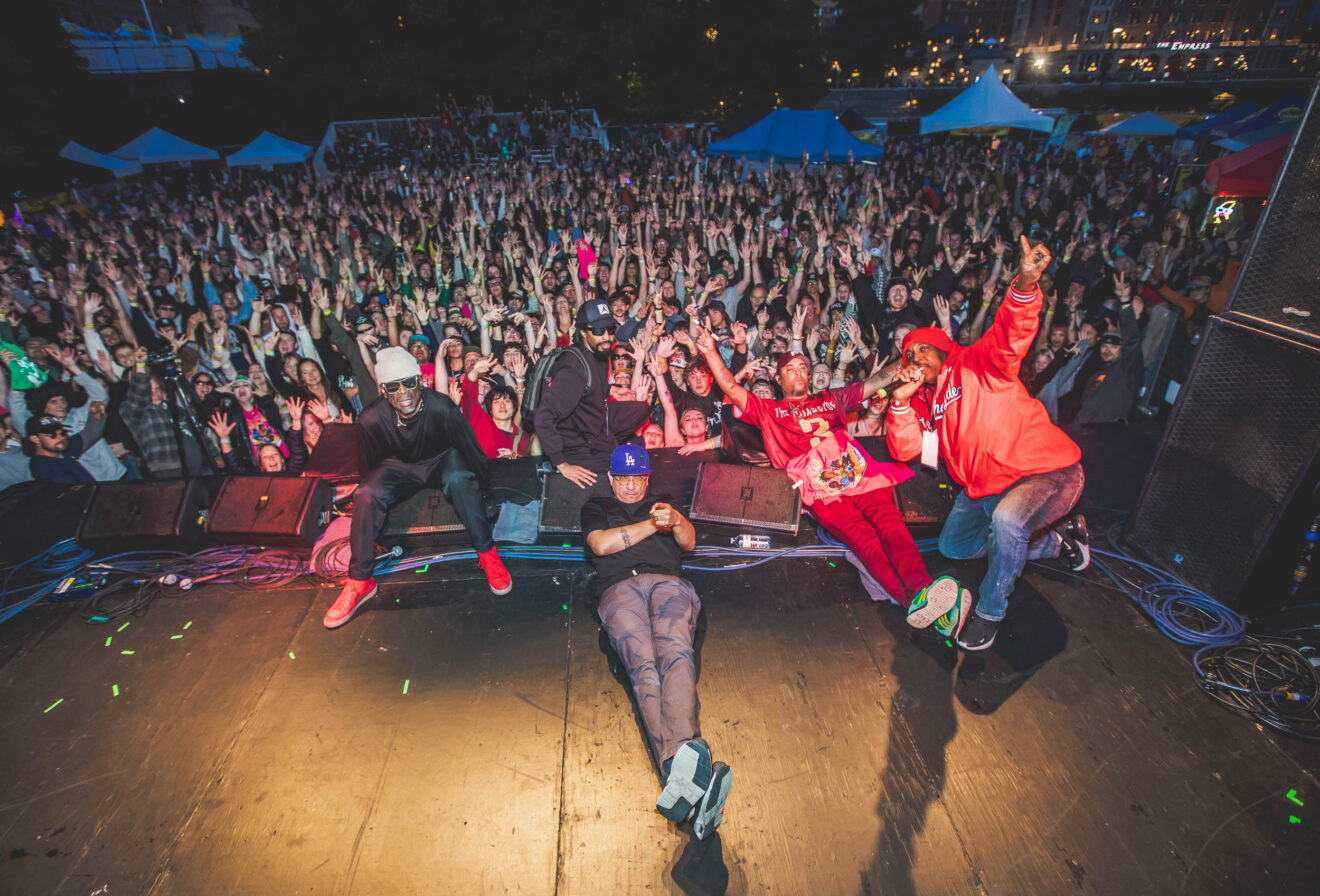
Cover image: The Pharcyde at Victoria Ska & Reggae Festival 2025. Photo by Colin Smith.