The Commodore Ballroom is now almost 96 years old, and has been synonymous with Vancouver’s nightlife since the day its doors first opened. We look back on the Commodore’s almost century-long legacy, the many musical legends it hosted, the unforgettable parties, and the connections that unfurled between people
The Commodore Ballroom began its life in 1929 as the Commodore Cabaret, built by George Conrad Reifel and designed by architect H.H. Gillingham in the Art Deco style of the late 1920s. It had an English-style ballroom and a sprung dance floor, perfect for dancing and mingling. Back then, Vancouver was largely unpaved and its skies cloudy with smoke. A place like the Commodore wasn’t common in people’s lives, and seemed wholly romantic and glamorous, with dim lights, music, and the possibility to dance with another. It made headlines.
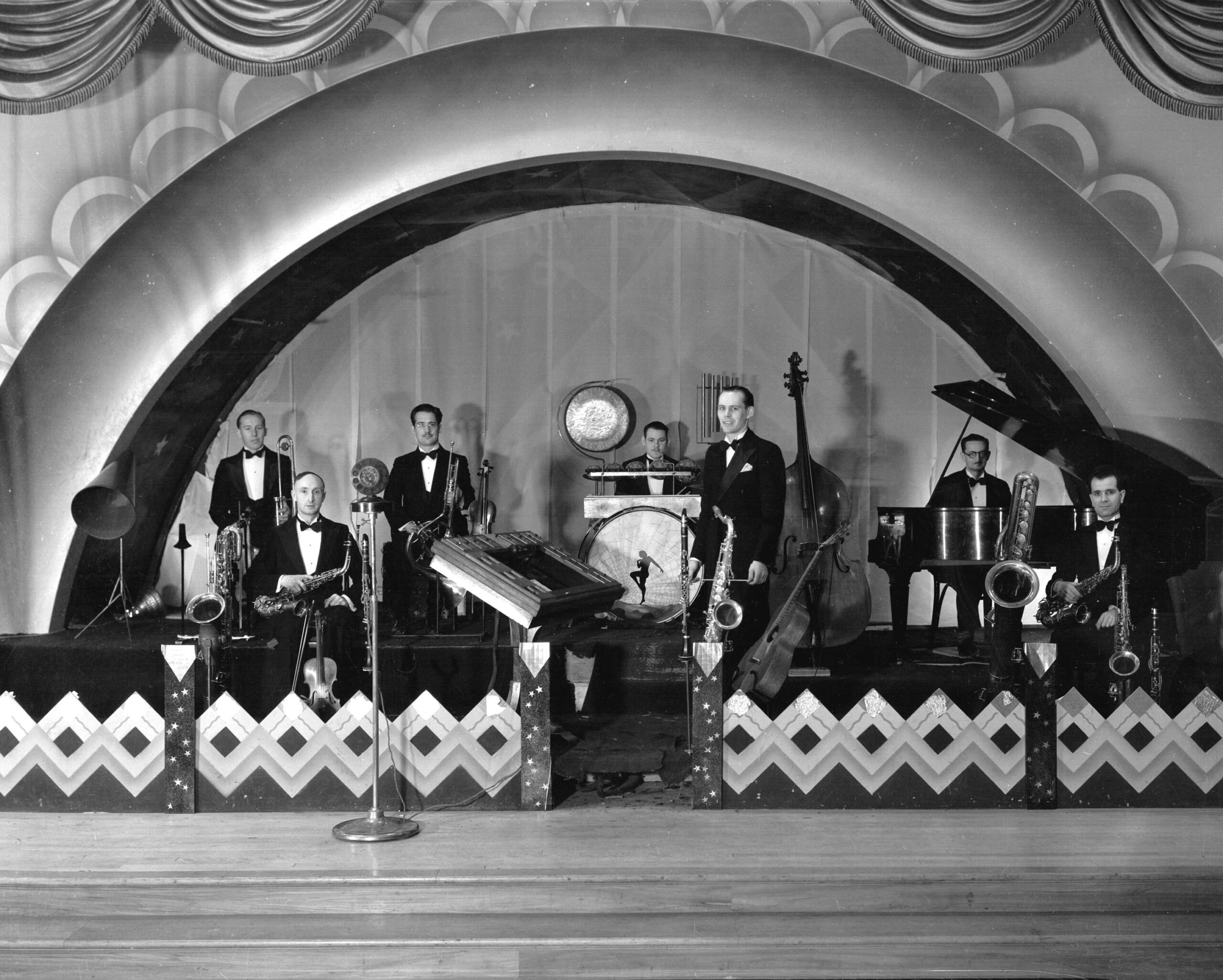
The Commodore Orchestra in 1933. Photograph by Stuart Thomas, courtesy of City of Vancouver Archives.
However, timing was not on its side in the beginning. Its doors first opened on the heels of the infamous stock market crash, and just four months later, it closed, though only temporarily. Less than a year after that, it reopened and started featuring dinner and dancing every Saturday night. The admission price was 1$, roughly $20 in today’s money. It became one of Vancouver’s famous bottle clubs during Prohibition and was visited on multiple occasions by the Vancouver Police Department, though it’s rumoured the police never found any alcohol on the premises. When police barged into the entrance, doormen would notify the upstairs staff, who would notify the band to charge mid-song into “Roll out The Barrel”. As police climbed the Commodore’s lengthy staircase, the drinks were quickly hidden.
For the next 30 years, the Commodore relied on a combination of house bands, featured acts, and third-party rentals. This successful combination allowed it to rise to prominence and maintain its status among competing venues of the time. It was the era of big bands and 12-14 piece Orchestras and the house bands it hired would play there exclusively for years. Big names from out of town that drew the crowds included Duke Ellington, The Dorsey Brothers, Count Basie, George Burns, Rudy Vallee, Stan Kenton, Cab Calloway, and the Will Maston Trio, which included a then emerging Sammy Davis Jr.
The Commodore saw a significant spike in profits and popularity in 1969 under its new Impresario, Drew Burns, who renovated the space and gave it the “Ballroom” it carries today. Burns was already well-versed in creating lively, memorable experiences for patrons, and was familiar with the Commodore’s previous management through his work with the Fifth Day Club, a singles club that hosted parties at venues like the Commodore. As the story goes, Burns picked up the keys for the venue in November 1969 and stood alone in the large ballroom, dreaming up the new era he was about to spearhead the Commodore into. It was the beginning of a bold transformation that would redefine the Commodore’s place in the local music scene. It would, in fact, help put Vancouver on the map for many influential acts.
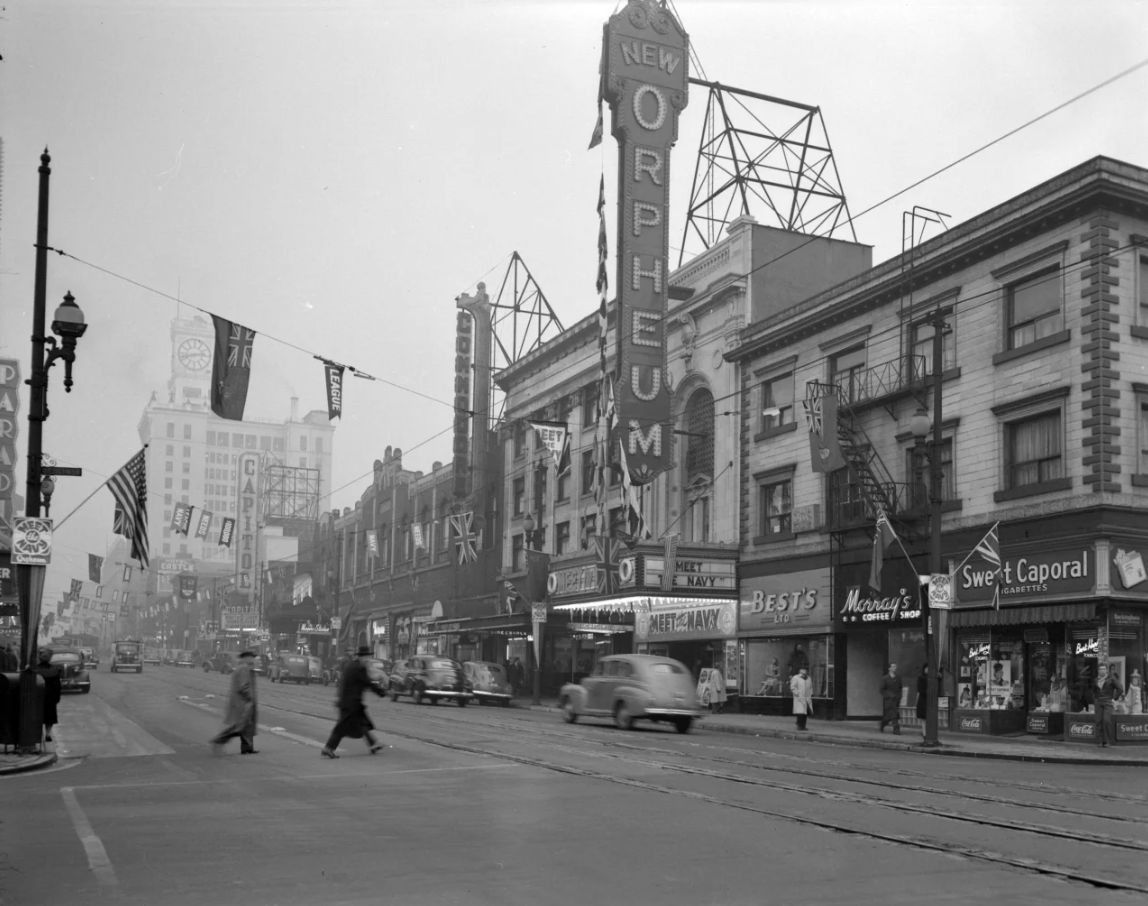
Granville Street in 1946. Photograph by Jack Lindsay. Courtesy of City of Vancouver Archives.
For the next 25 years, Burns led the Commodore’s ascent into notoriety with a star-studded lineup of live acts, never shying away from bold new genres. The venue hosted audiences eager for rock and roll, country, blues, punk, new wave, heavy metal, and everything in between. Notable names include B.B. King, David Bowie, Tina Turner, Kiss, Dizzy Gillespie, the Glenn Miller Orchestra, INXS, Nirvana, and the Village People. It was a changing time that saw the polite crowds of the past replaced with new energy, as leather-clad punks started filling the room and the bands got louder and louder.
Burns made history by hosting the Vancouver debuts of the likes of the Ramones, Patti Smith, Blondie, Devo, Tom Petty, The Police, and the first ever North American appearance of The Clash. All these shows took place within a few weeks of each other. The Commodore was fully immersed in the zeitgeist and paving the way for Vancouver’s music scene, sparking the imagination and exposing the audience to the sounds that were making waves across the world. It seemed unstoppable.
Unfortunately, the Commodore couldn’t avoid the instability that often comes with shifts in ownership. By the mid 1990s, Burns’ vision for the venue had begun to fade, and with the expiration of his lease, the venue faced an uncertain future. Despite the installation of a brand new dance floor in 1996, an unsuccessful sale ultimately forced the Ballroom to once again shutter its doors. Once alive with roaring bands, thumping feet, clinking glasses, and constant chatter, the room fell silent, devoid of the energy of dancing bodies and human connection. Its story sat locked up behind graffitied doors and the impact rippled throughout the local nightlife. No venue could fill its absence, and touring acts skipped Vancouver altogether, leaving fans disappointed and the scene noticeably smaller.
The Commodore was given another chance just ahead of the new Millennium. In 1999, to the delight of the entire city, the venue reopened to continue the legacy that Drew Burns started. It picked up where it left off and once again became a destination for leading artists, a stage for local talent, and a sought-after space for private functions.
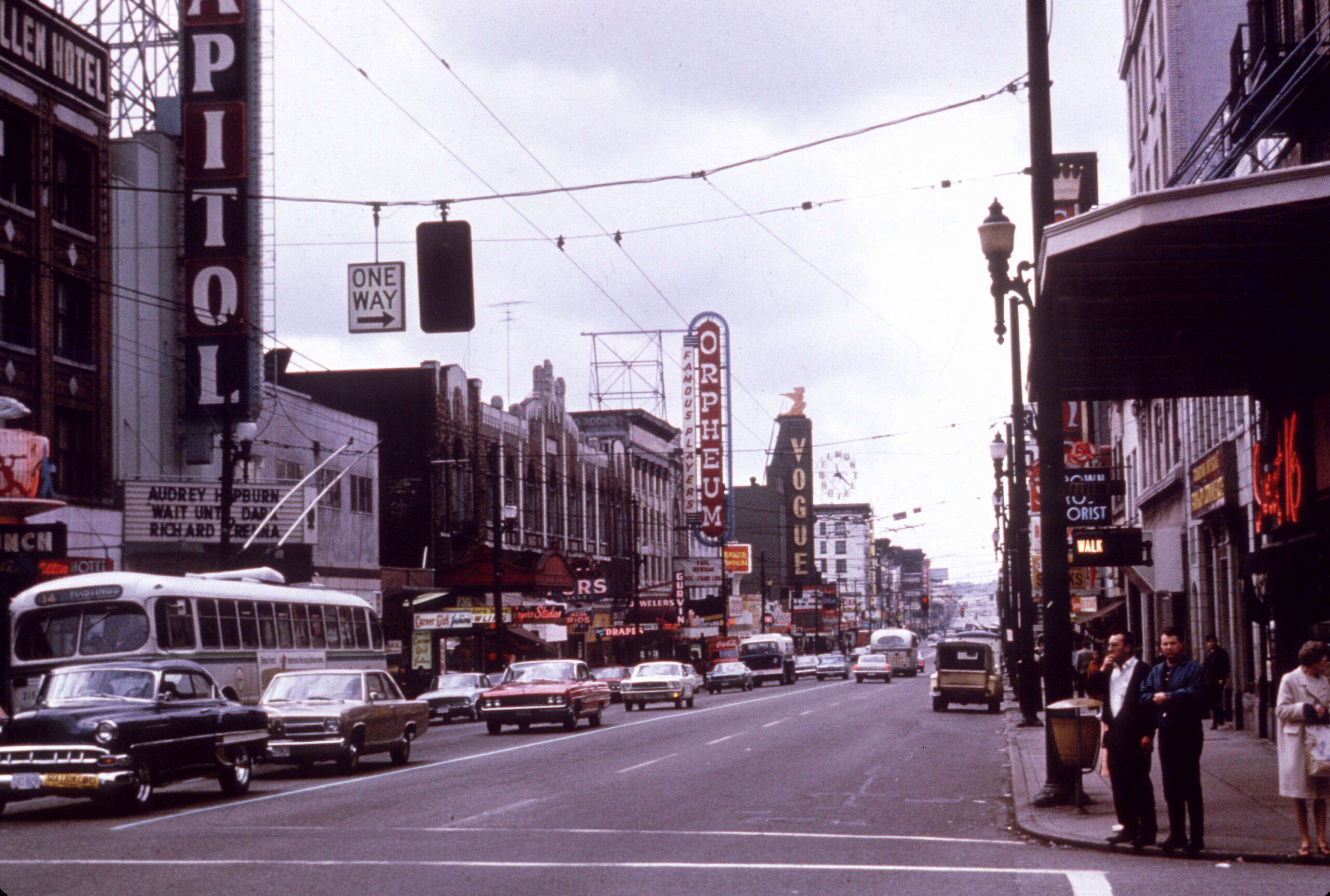
View of Granville Street 800 Block (Theatre Row) in 1967. Courtesy to City of Vancouver Archives.
These days, the Commodore Ballroom hosts over 150 public events year year, entertains over 120,000 guests annually, and is not only an iconic venue in the Pacific Northwest, but a beloved and respected space for audiences and musicians alike. Its landmark status, strong reputation, and operational excellence have earned it countless accolades, including recognition from Billboard magazine, which named it one of the Top 10 Most Influential Clubs in North America and the Most Influential Club in Canada, a distinction it continues to uphold year after year.
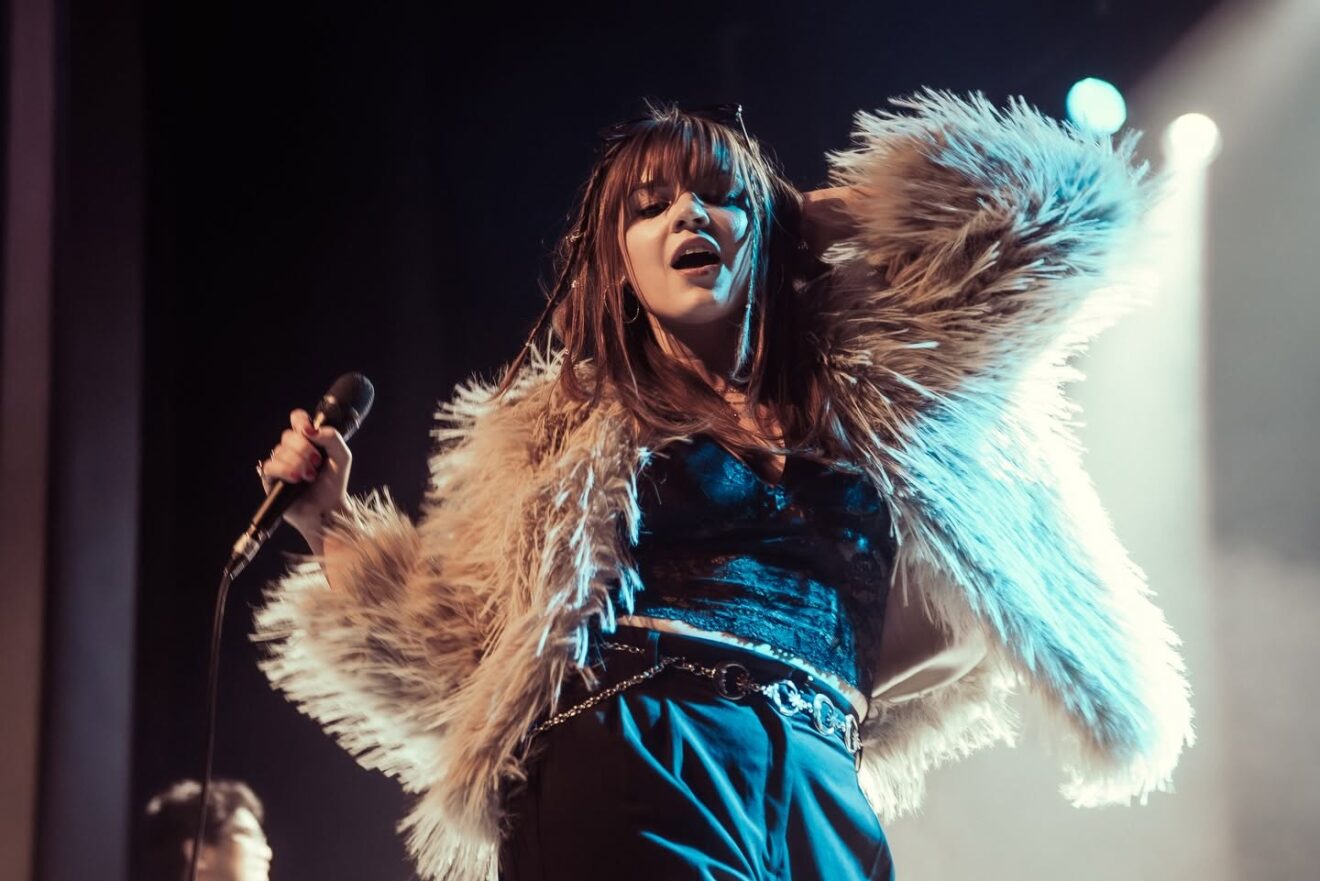
The Commodore Ballroom is turning 96 years old this year, but its youthful energy hasn’t died down. Just last year, it hosted legendary acts (Jack White, Descendants, Echo & The Bunnymen), indie darlings (The Wombats, Wolf Alice), electropop and experimental new artists (Cobrah, Horsegiirl), emerging local musicians (Cameron Whitcomb), and even dance parties and drag events (Rhythm of the Night, Man Up), a case in point for it’s remarkable versatility.
You can feel its history when you’re in the space. The Commodore Ballroom is a venue with experience and it has truly seen it all. Or has it? The venue continues its story every day, as alive as ever with thudding of feet, drink orders shouted over music, and an audience that sings right back to the band. The noises of the room echo those of the past, as will do those of the future.
Want to learn more about the Commodore Ballroom? There is no better way to than to experience it yourself. Check out their website for upcoming shows.
For more anecdotes like the ones that inspired this article, read Ten Legends of the Commodore Ballroom by writer, historian, and musician Aaron Chapman. For a comprehensive history, read Live at the Commodore: The Story of Vancouver’s Historic Commodore Ballroom, also by Aaron Chapman.
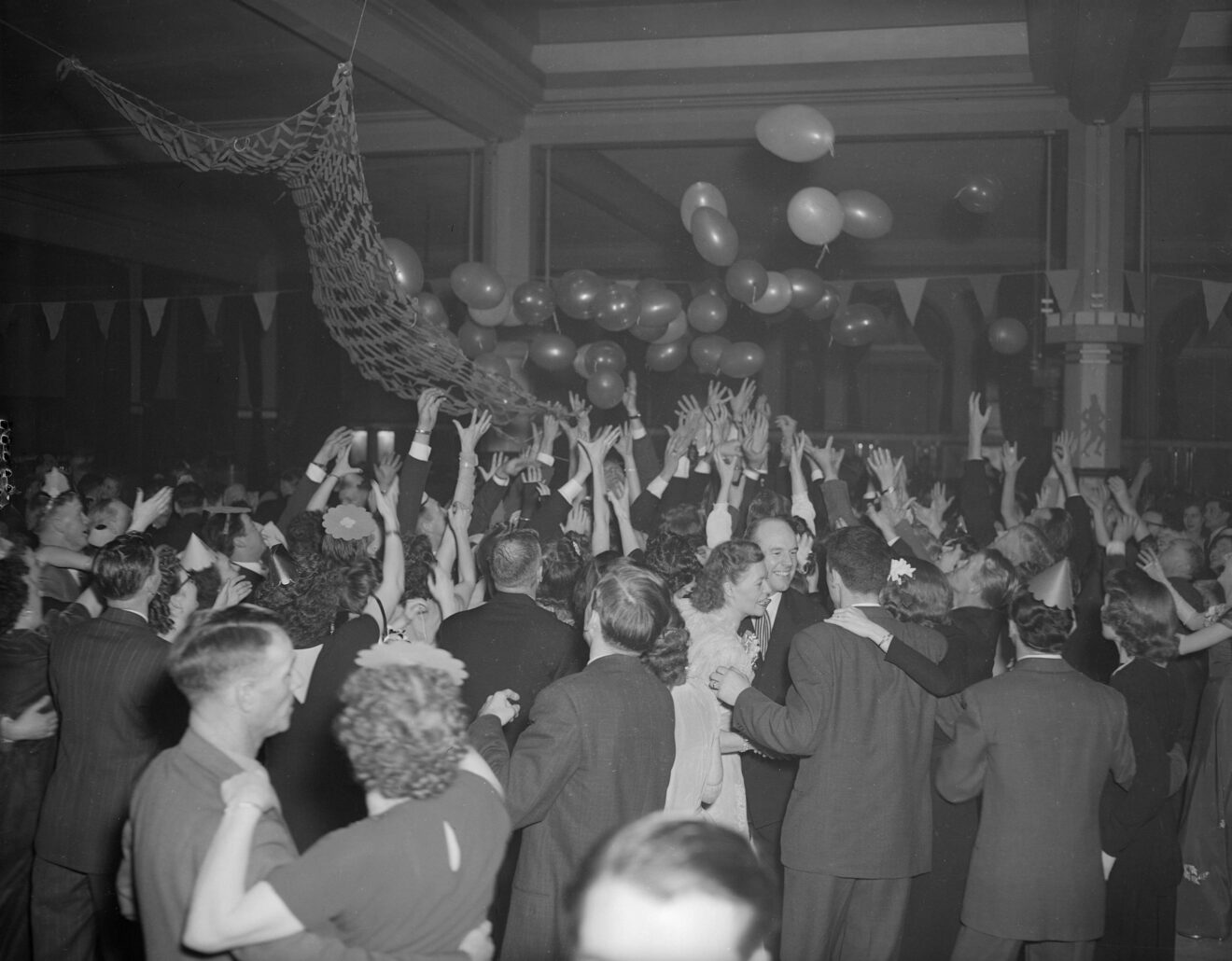
Cover image: Private event at the Commodore, 1949. Photograph by Don Coltman, credit to City of Vancouver Archives.