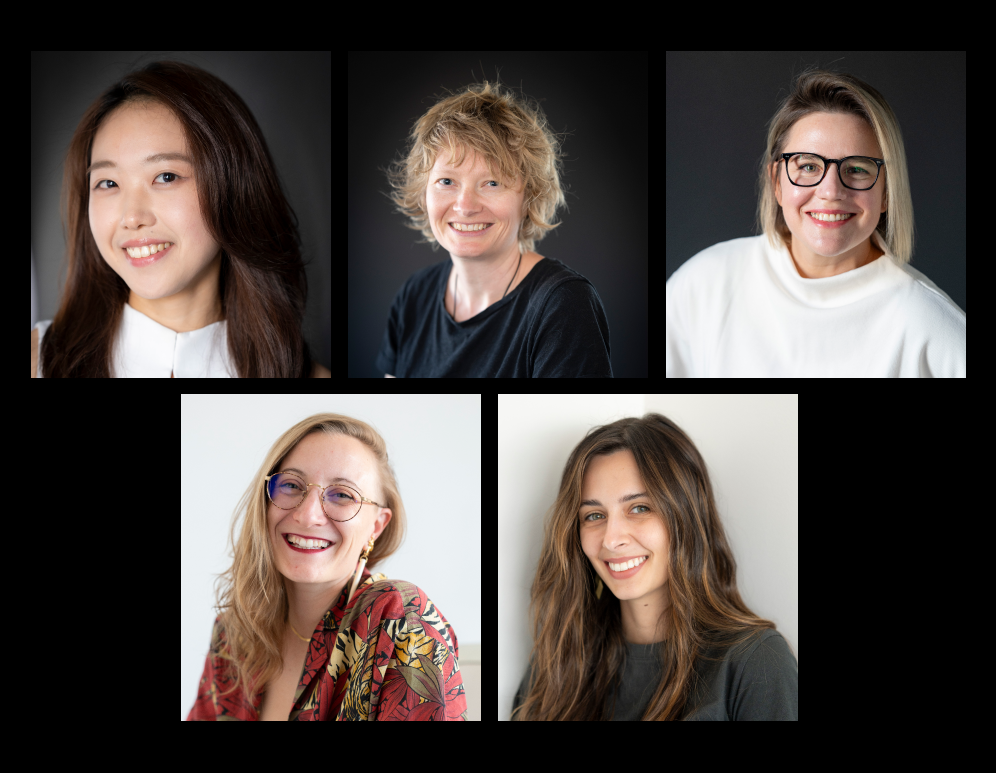
Vancouver-born producer Lucy McNulty is quickly establishing herself as one of the most exciting emerging voices in Canada’s independent screen industry. With a foundation in theatre and performance, her work is rooted in character-driven storytelling that leans into complexity, discomfort, and dark humour. Her debut short CHICKEN, a festival standout that earned multiple awards, including Jury’s Choice and the DEAI Award for Diversity, Equity, Accessibility and Inclusion at the Thomas Edison Film Festival, set the tone for a career defined by strong creative instinct and intention.
Since then, McNulty has built momentum across shorts and features, including producing HUNTING MATTHEW NICHOLS and collaborating on the internationally recognized HOW BRIEF. She leads Vancouver-based Strange Company Productions, an award-winning company focused on championing female and underrepresented voices through bold, character-driven work with global reach. Her latest film, BARE, which she co-directed and produced, is set to debut at Cannes as part of the Not Short on Talent showcase, marking another major step onto the international stage. Alongside her producing work, McNulty is a Canadian Film Centre Producers’ Lab alum, committed to fostering writer-driven storytelling and building space for new voices.
We chatted with her to talk about her journey into producing, the growing momentum of her work, and how she’s building a career rooted in instinct, collaboration, and creative risk.
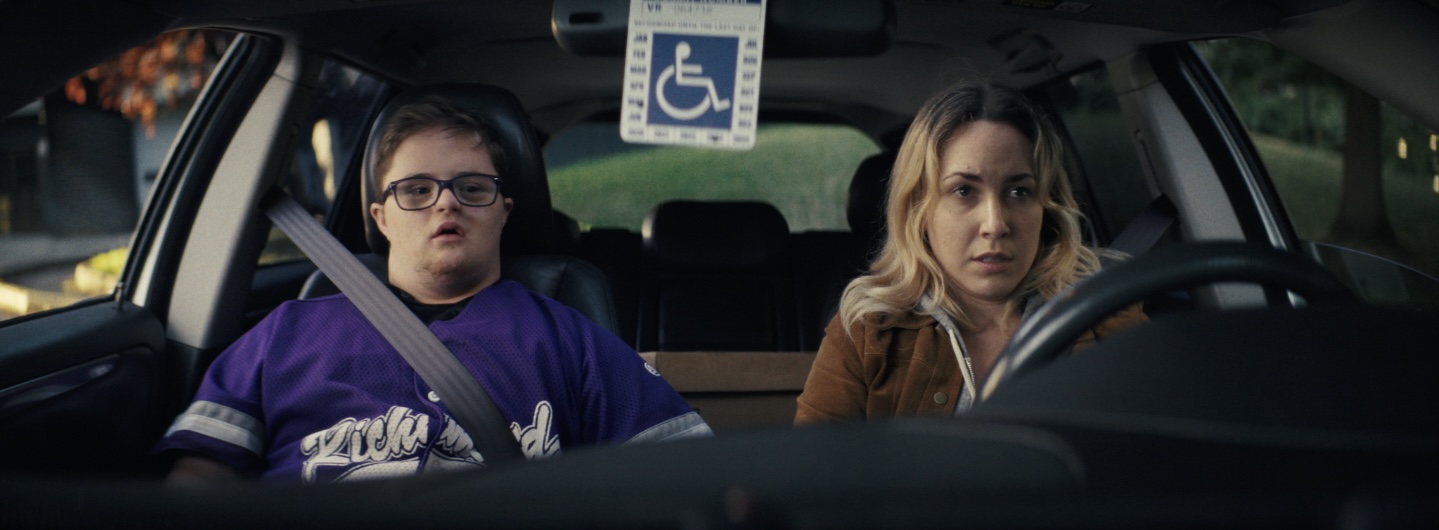
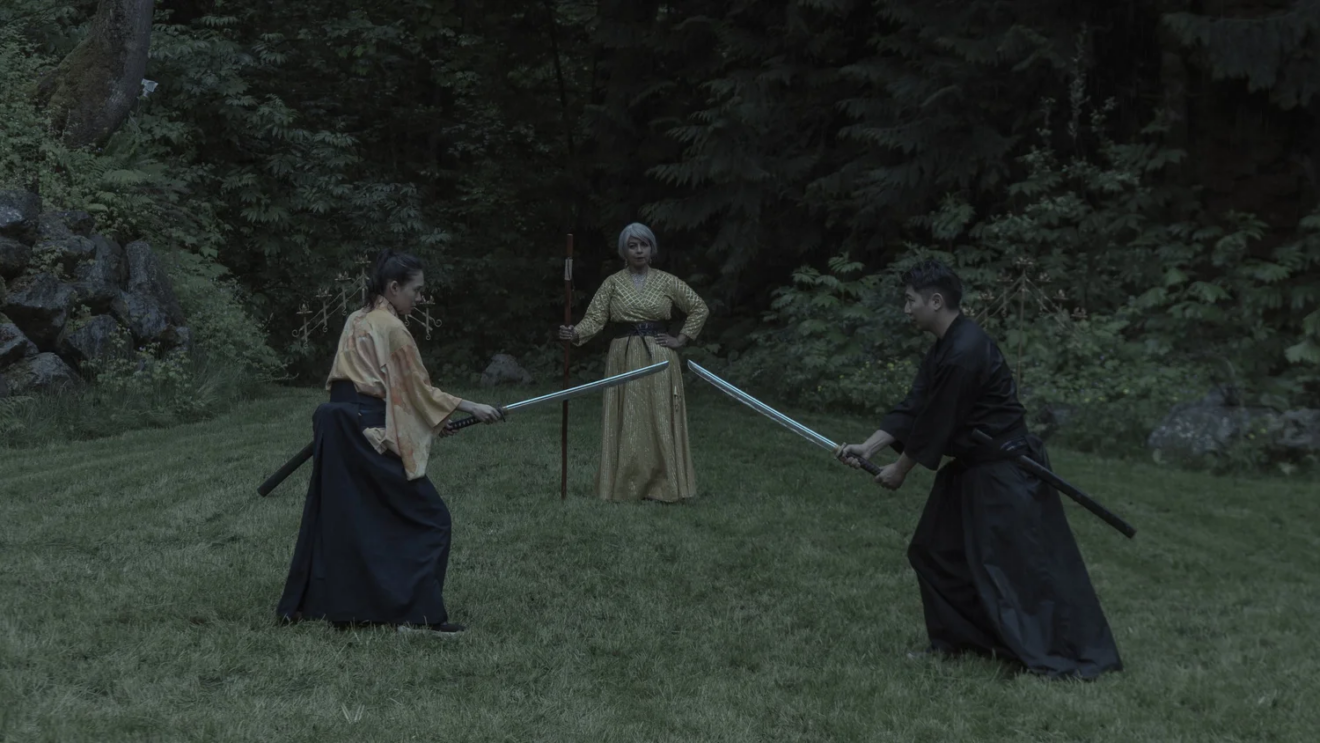
Still from CHICKEN (2023)
For those discovering your work for the first time, how do you describe yourself as a producer, and what kinds of stories are you most drawn to telling? How did your path as a producer begin here in B.C.?
I was born and raised in Vancouver and grew up in the arts. Both of my parents are performers, so I was around theatre from a really young age. I went to theatre school, started writing there, and then kept going after I graduated. I wrote a play, then started getting pulled toward film and began working on a feature.
During COVID, writing was my whole world. My amazing mom would edit for me. I didn’t really know what a producer did at the time, I was just pushing the project forward and believing in it. I was also looking around at my peers who were just making things happen, and that really lit a fire under me.
That film became CHICKEN, and making it completely changed the trajectory of my career. It was a really profound artistic experience for me and it went on to have a great festival life. After that, other filmmakers started asking me to produce their work. One short turned into ten, and it just kept building. Most recently, I produced my first feature, HUNTING MATTHEW NICHOLS, the little independent Canadian film that surprised everyone. We self- distributed to a wide North American release across 900 screens.
I’m a very hands-on producer with a strong creative focus. I come from an acting and theatre background, so I’m really drawn to performance, character, and tone. I like being closely involved in development and shaping something that feels specific and intentional. I’m drawn to character-driven stories that sit in that space between comedy and pain. Messy people, complicated dynamics, things that are a bit uncomfortable but still entertaining. A lot of my work explores identity, power, gender, addiction, and belonging, often through a slightly heightened or absurd lens.
HOW BRIEF just had its UK premiere at the Manchester Film Festival. What does this milestone mean to you at this stage in your career?
It meant a lot. We premiered at Sundance which was surreal, and having the film continue on to the UK felt like it was really finding its life. Manchester was such a great experience. It’s a strong, curated festival and the audiences are really engaged. It felt like the film landed in a meaningful way. And the other films were so fantastic and weird.
At this stage, it’s less about any one premiere and more about momentum. Every festival builds on the last one. You’re meeting people, starting conversations, and setting up what comes next.
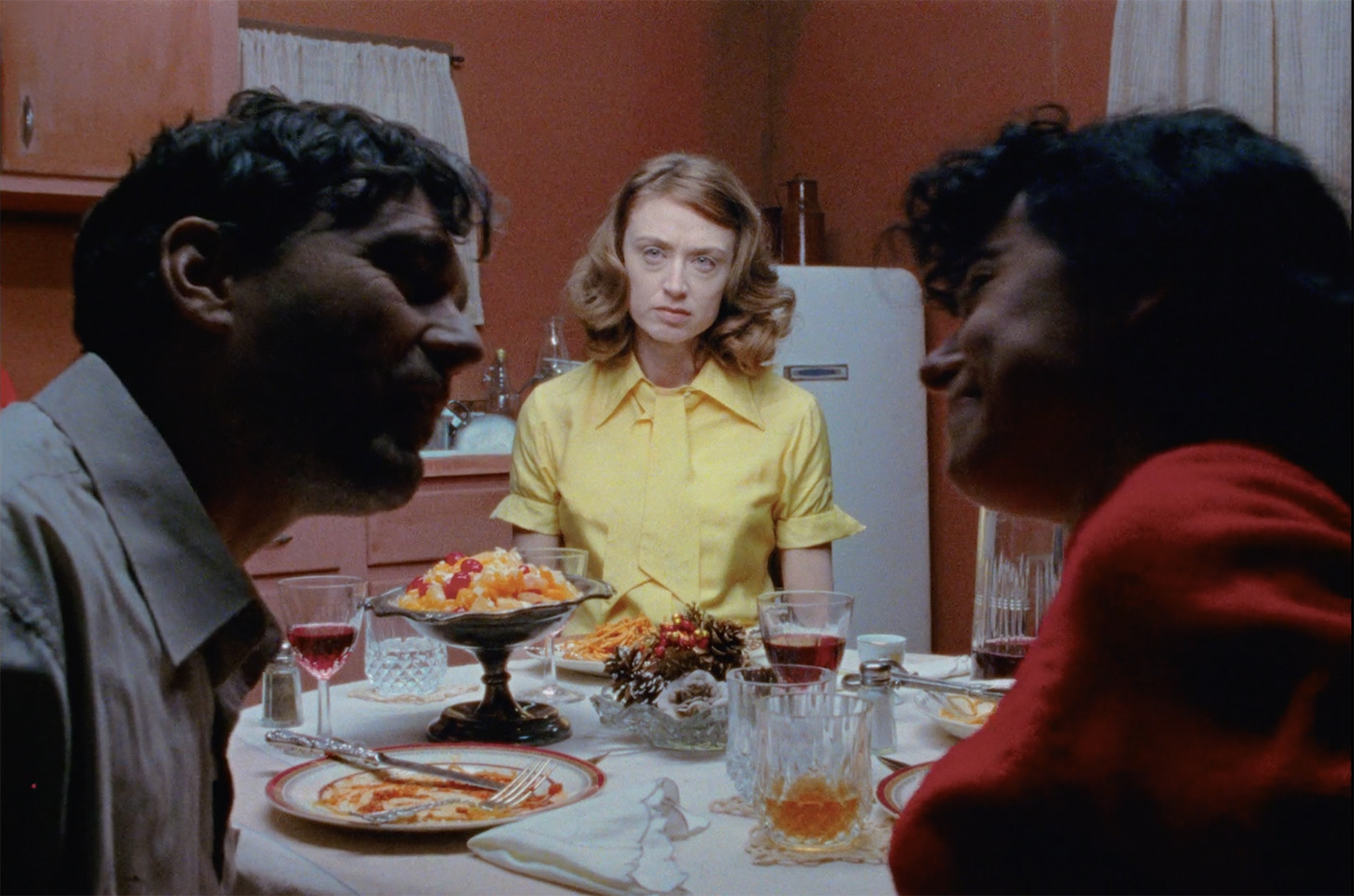
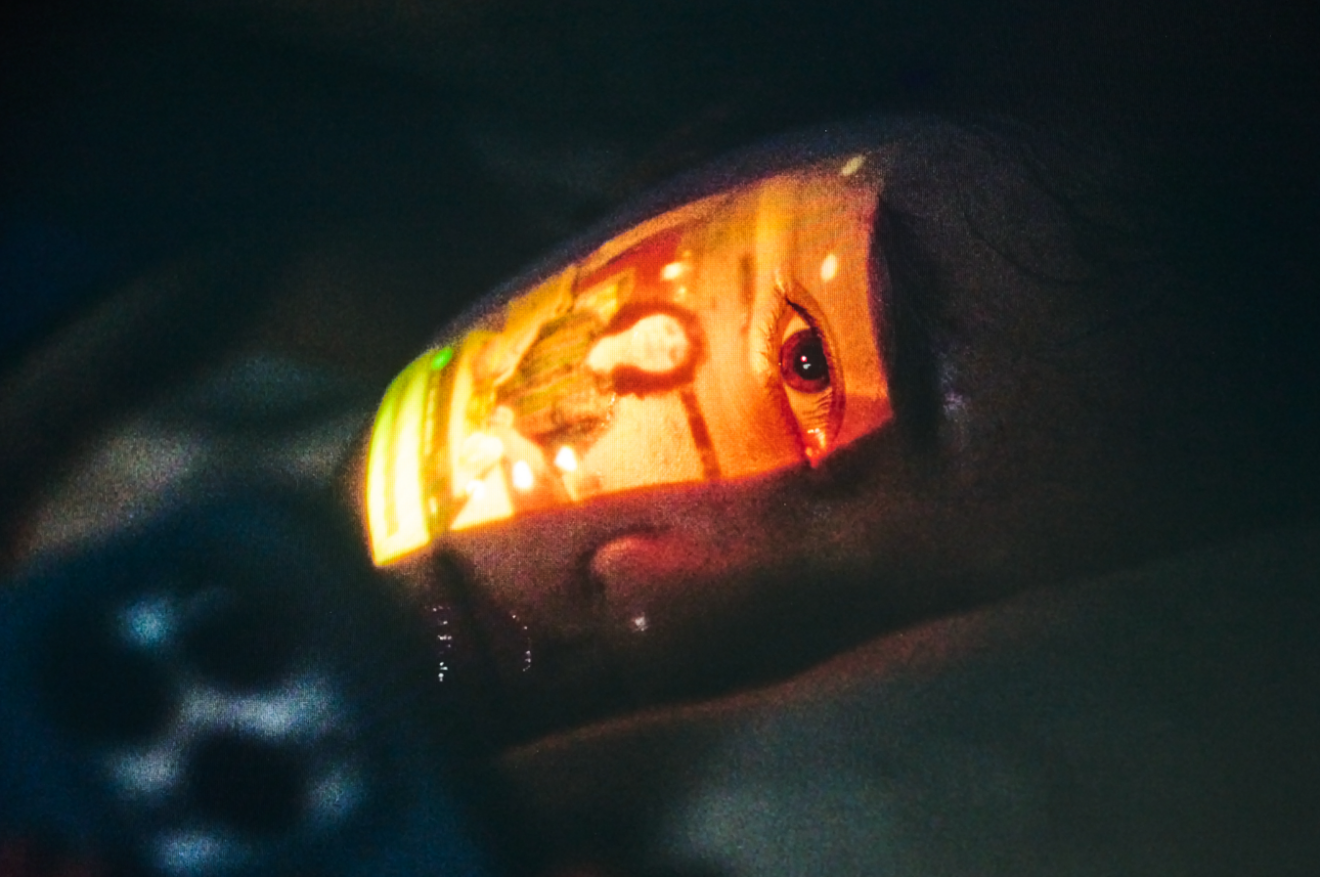
Still from HOW BRIEF (2026)
What can you tell us about HOW BRIEF and the creative journey behind the film?
HOW BRIEF is set over the course of one night in 1962, when a restless woman returns to her childhood home for the last time. Inspired by the music of Connie Converse, and shaped by the words of other women who have chosen to vanish, it circles a question that feels both unsettling and honest: when does oblivion start to feel preferable to the life you’re in?
It’s a meta-theatrical piece, and as a group of people who all started in theatre, that felt really appropriate.
I don’t want to sound too woo woo, but there really was some creative synergy around this project. I remember reading Variety’s 10 Canadians to Watch and seeing Kelly McCormack featured. I had just watched her in Ginny & Georgia and was like, who is this person? In that piece, she talked about HOW BRIEF, Tess Degenstein, and Tatiana Maslany, and I remember thinking, wow, what an incredible group of female collaborators. I literally had the thought, I hope one day I get to be surrounded by women making work like this.
A few years later, I met Tess at Bard on the Beach in Vancouver. We grabbed coffee, started talking about what we were each working on, and she mentioned that HOW BRIEF had sort of stalled after years of development. I remember thinking, this film needs to get made. So I said, let’s do it. It all felt a bit like a dream, which feels fitting for the film. And now I’m developing projects with Tess, Kelly, and my producing partner on the film Ariel Bond, which feels like a really full-circle moment.
Your latest film BARE, co-directed with Miranda MacDougall, is about to play at Cannes as part of Not Short on Talent. What can you share about the film and what audiences can expect? What does it mean to you to bring this particular story to the Cannes stage?
BARE is a comedy about shame, desirability, aging, and the absolute absurdity of modern dating. The film follows Daphnée, an aquafit instructor fumbling through dating apps and trying to decipher whether food emojis are flirtation or an actual dinner invitation, all while teaching aquafitness classes for seniors. The women in her class become this hilariously uninhibited force in her life, encouraging her to embrace vulnerability, sexuality, and confidence in ways she never expected.
The film was written by and stars Claire Johnstone, and a huge inspiration for the story came from conversations she had with actress Kathryn Shaw about the lack of meaningful roles for older women onscreen. I think one of the most radical things you can do on screen is show bodies existing without apology. Especially female bodies. Especially aging female bodies. Cinema has historically either erased older women entirely or flattened them into archetypes. We wanted these women to feel sensual, funny, unapologetic, and wise.
Putting this film together required a lot of trust and heart. I’m so grateful for the entire team, especially our cast, who dove right in, pun intended. Everyone approached the film with so much openness, fearlessness, and generosity. Being part of Not Short on Talent, surrounded by such a talented national cohort of filmmakers, and getting to celebrate this milestone together feels really special.
You’ve participated in development programs like the Canadian Film Centre, GEMS Genre Lab, and TIFF’s Series Accelerator, and you’ve also navigated major international markets and festivals such as EFM, AFM, Sundance, and Cannes. How have these experiences shaped your approach to development and production, and changed the way you think about building an international career for your work?
Those experiences have really shifted how I think about development and scale. Early on, I was very focused on the creative and just making something good. Now I’m thinking much more about the ecosystem around the work, who it’s for, how it travels, and how it actually gets made and seen.
It’s expanded my understanding of the global landscape. I’m not just thinking about how to push something through in Canada, I’m thinking internationally from the outset, where it could be set, how it could be financed, what partners it needs, and how it can move across different markets.
There’s also been a big emphasis on clarity of vision. Creative is everything. You’re constantly articulating your project, pressure-testing it, and learning how to take notes without losing what makes it specific. I think I’m less precious now, but more precise. It’s made me more strategic in development overall. I’m thinking earlier about co-production potential and where a story might resonate, while still protecting what makes it personal. The projects that travel are often the most specific.
More than anything, it’s given me confidence to operate at that level. Now I’m building projects with an international life in mind from the outset, not as an afterthought.
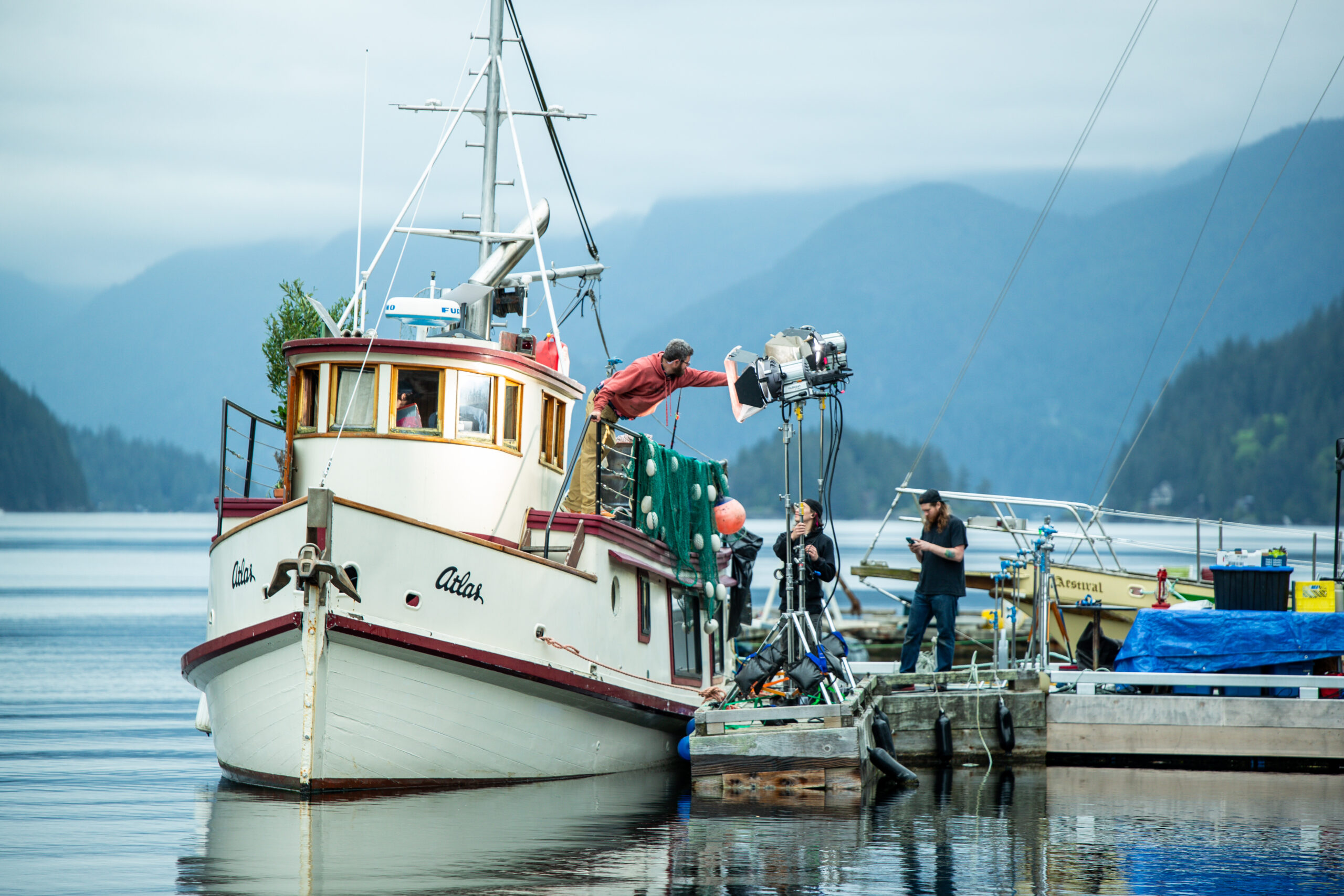
On the set of AT THE END (2025)
How important are festivals and markets in building long-term momentum beyond a single project?
They’re essential, but not for the reasons I initially thought. Early on, it’s easy to think of a premiere as the finish line. What I’ve learned is that it’s really the beginning of the next phase.
They’re where momentum builds over time. It’s about showing up consistently, building relationships, and creating a sense of continuity in your work. You start to be part of an ongoing conversation rather than just arriving with a single project.
It’s also shifted how I think about sustainability. You’re not just focused on one film, you’re thinking about a slate and how everything connects. That long-term approach is what actually builds a career.
And I’m really grateful to Creative BC for supporting producers to be in those spaces. Access makes a huge difference. Being able to show up consistently is what allows that momentum to build.
As a B.C.-based producer working internationally, how do you see creators from the province being perceived on the global stage right now? What advice would you give to emerging B.C. filmmakers hoping to bring their work to international audiences?
I’m so proud to be a filmmaker from B.C. I think we have incredible talent, a really high level of craft, and a thriving independent scene. It honestly feels like there’s a bit of a renaissance happening right now.
The advice I’d give is to lean into what makes your work specific. Don’t try to generalize it for an international audience. The more specific and personal it is, the more it travels.
And practically, get yourself into those rooms. Apply to labs, go to markets, even if you feel like you’re not ready. A lot of this industry is about proximity and relationships.
How do you balance maintaining strong local roots in B.C. while building a global career?
I’m based in Vancouver. It’s where everything starts from for me. It’s where most of my friends and family are, and where so many of my collaborators are working.
Even when I’m working elsewhere, I usually start with the intention of B.C. I’m always trying to advocate for projects to be shot there when it makes sense. It’s important to me to bring work home when I can.
A big part of it is also just wanting to make things with my people. I want to create opportunities for my friends and my community. I don’t really think about it as a balance, it comes pretty naturally because that’s where my roots are.
For me, building a global career isn’t about leaving that behind. It’s about expanding from it, and finding ways to keep creating opportunities at home while working on a larger stage.
You’re in the process of launching a new production company. What opportunity are you hoping it will address, and what kinds of stories do you want it to be known for championing?
For me, it always starts with audience. I choose stories where I am the audience. If I want to watch it, if it moves me, if it challenges me or makes me feel something about my own life, then I trust there’s an audience out there who will feel the same way.
I’m really interested in the emotional exchange between a story and the viewer. What does this give someone? How does it connect, or even shift them? That’s the lens I use when I look at material. It’s less about “can this exist on screen” and more about which characters I connect to, what feels alive, what feels fun, and what’s actually exploring something real about the human condition.
With the company, the opportunity is in creating a space where those kinds of stories can exist without being flattened or over-explained. There’s a gap between bold, character-driven work and the systems that are meant to support it. Too often, things get watered down in the name of safety. We’re interested in taking the opposite approach. We want to champion stories that are entertaining and have something to say. Work that audiences can go on a ride with, that feels fun, but also leaves them with something.
At the core of it, we want to create opportunities. For emerging filmmakers, for underrepresented voices, for collaborators who want to take risks but don’t always have the infrastructure around them to do that safely. Building a team that understands the vision and supports it is everything. We’re operating from the belief that the risk is actually the point. In an industry that can be risk-averse, we’re interested in betting on stories that feel a little dangerous, a little messy, and deeply human. Because those are the ones that stay with people.
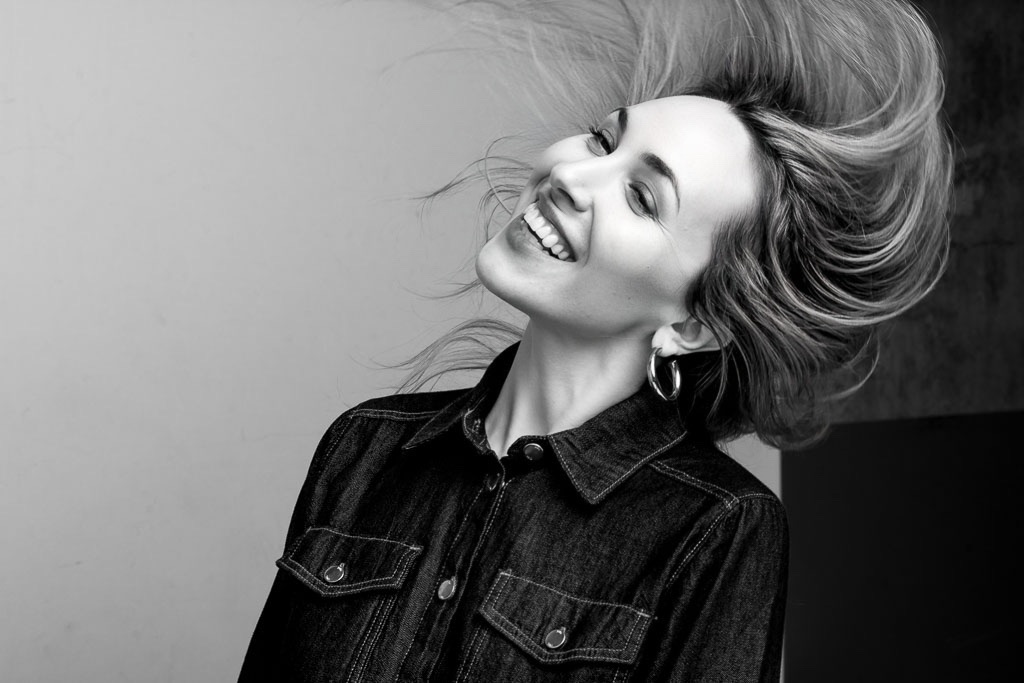
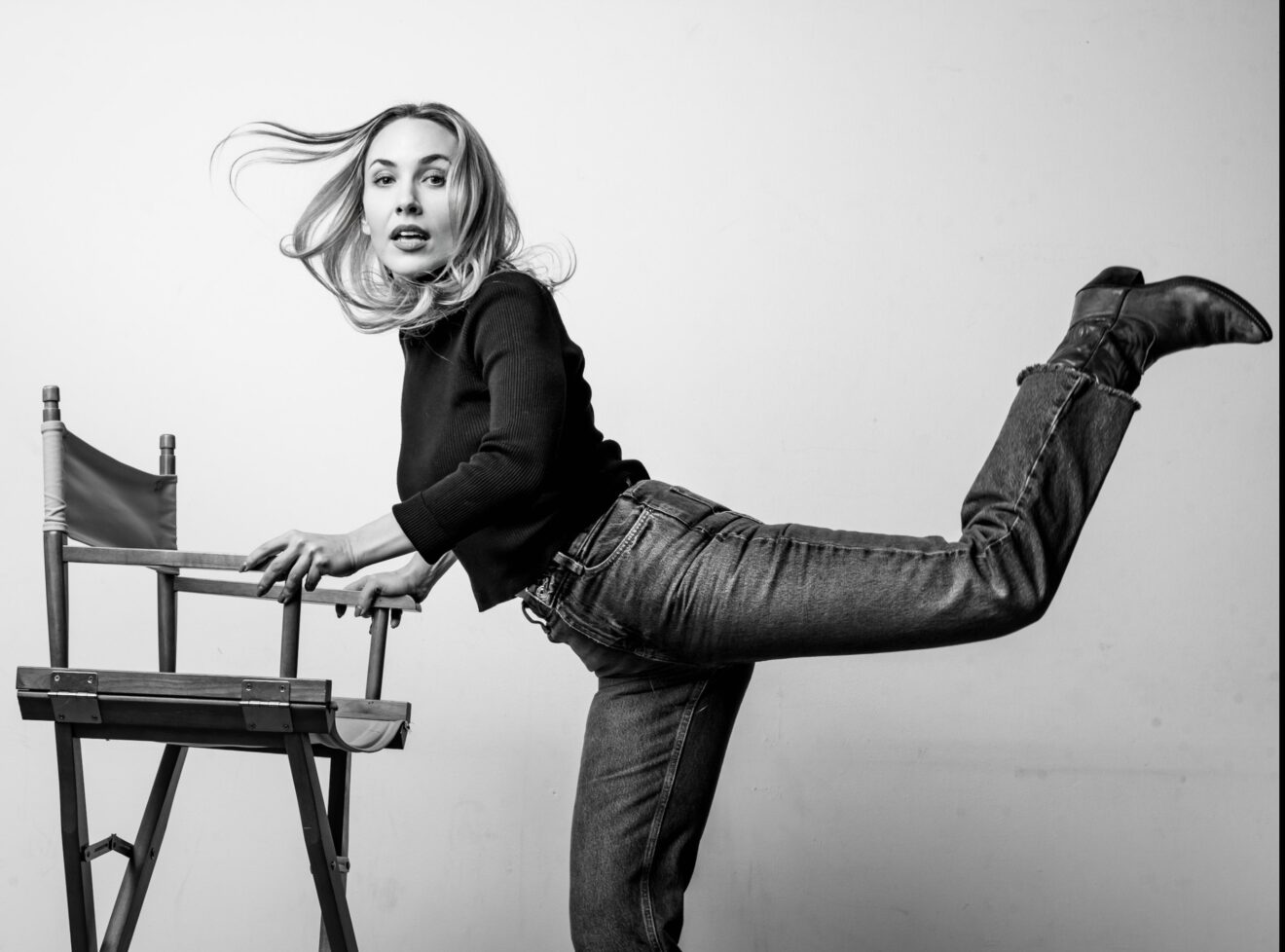
Lucy McNulty (Image credit: Mark Halliday)
Finally, what excites you most about where your career is headed right now?
What excites me most right now is that the risks are starting to show reward. It validates the instinct to take them in the first place, and it shifts the question from “is this too risky?” to “what do I actually want to make?”
I’m not trying to do everything anymore, I’m trying to curate. My vision, my collaborators, the kinds of stories I want to put into the world. It’s less about chasing jobs and more about building something intentional. I’m really interested in work that sparks conversation. Stories that are thought-provoking but still feel accessible, warm, and inviting. Work that challenges people, but also brings them in.
We’re living in a time where things feel pretty fractured. There’s a real sense of imbalance, and not a lot of clear ways to create change. And storytelling feels like one of the few places where we actually have power. And I’m really interested in that idea of power. Not as something aggressive or exclusive, but as something generative. The ability to uplift people, to create spaces where collaborators feel valued, where people feel like they belong. I’ve seen what that can do. When someone feels like their voice matters, when they feel supported, it changes how they show up. Being able to tell someone that their story has value, and actually help them realize it, that feels incredibly powerful to me.
That’s what excites me. Not just the work itself, but the impact of how it’s made and what it creates for the people involved.
Learn more about Lucy McNulty and Strange Company Productions on their website.
Cover image by Mark Halliday.